
Unveiling the Enigmatic Yucca Net: A Dive into the Intriguing World of Yucca Plants


Evergreen Trees Species
Yucca plants, a fascinating botanical wonder, embody a unique realm within the plant kingdom. While not classified as trees, their evergreen-like appearance and distinct characteristics make them a compelling subject of study. Yucca plants, native to arid regions, showcase resilience and adaptability, standing as testaments to nature's ingenuity in harsh environments. Their long, sword-shaped leaves and occasional towering blooms paint a striking picture amidst desert landscapes, captivating the curious minds of botanists and nature enthusiasts alike.
Yucca Plants Classification and Adaptations
When delving into the world of yucca plants, understanding their taxonomy and evolutionary adaptations becomes paramount. Belonging to the family Asparagaceae, these perennial shrubs share evolutionary ties with agaves and other succulent plants. Their ability to thrive in arid climates stems from specialized adaptations such as succulent leaves for water storage and a shallow, wide-reaching root system for maximum water absorption. These unique features enable yucca plants to withstand prolonged droughts and high temperatures, showcasing nature's remarkable ability to engineer survival strategies in diverse habitats.
Yucca Plants in Ecological Systems
The ecological significance of yucca plants extends beyond their physical traits, weaving into intricate relationships within their habitats. Yucca moths, a symbiotic partner to yucca plants, play a crucial role in their pollination process. The interdependency between yucca plants and moths highlights the delicate balance within ecosystems, where each species relies on the other for mutual benefit. Through this mutualistic bond, yucca plants contribute to biodiversity and ecosystem stability, emphasizing the interconnectedness of flora and fauna in the natural world.
Cultivating Yucca Plants: Practices and Tips
Cultivating yucca plants can be a rewarding endeavor for botanists and garden enthusiasts seeking to introduce these exotic species into their landscapes. Optimal growth conditions for yucca plants include well-draining soil, ample sunlight, and minimal water to mimic their native arid environments. Propagation methods vary from seed germination to offshoot division, offering flexibility for propagation enthusiasts. By following best practices in yucca plant care, individuals can witness the beauty and resilience of these botanical marvels thrive in their personal gardens, connecting with nature's wonders on a daily basis.
Introduction
Yucca plants, with their intriguing characteristics and captivating ecological significance, stand as remarkable botanical marvels worthy of exploration. In this comprehensive guide, we unveil the wonders of Yucca Net, shedding light on the mystique that surrounds these unique plants. From their distinct features to the crucial role they play in their ecosystems, Yucca plants offer a fascinating glimpse into the intricate dance of nature. This article delves deep into the enigmatic world of Yucca plants, offering insights into their cultivation practices and their complex relationship with Yucca moths.
Understanding Yucca Plants
In this intricate discourse on the wonders of Yucca net, delving deeply into the enigmatic world of Yucca plants is fundamental. Understanding the essence of yucca plants is crucial in unraveling the symbiotic relationships they share with their environment. Their unique characteristics, ecological significance, and cultivation intricacies all play a pivotal role in the intricate dance of nature. By comprehending the complex web that yucca plants are a part of, we gain a profound appreciation for their place in the ecosystem.
Botanical Overview of Yucca Plants
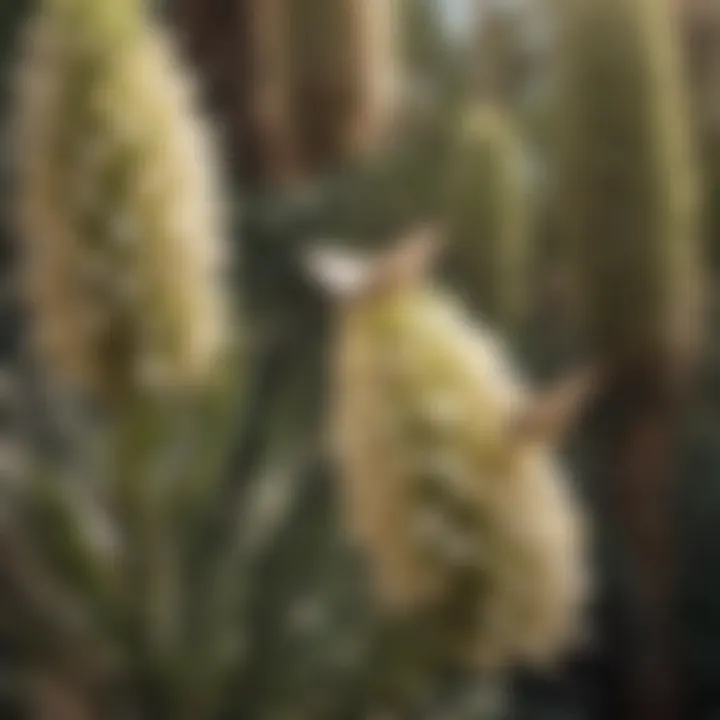
When exploring the botanical overview of Yucca plants, one encounters a fascinating array of intricate details. From their succulent leaves to their towering flowering stalks, yucca plants exhibit a remarkable blend of resilience and beauty. Understanding the botanical structure of yucca plants unveils a world of adaptation and survival mechanisms finely tuned to their ecological niche. Their genetic makeup and physiological features paint a picture of evolutionary excellence honed through millennia of natural selection.
Distinctive Features of Yucca Plants
The distinctive features of yucca plants set them apart as botanical marvels worth exploring. Their sword-shaped leaves, waxy textures, and stunning blooms characterize these plants with a unique charm. Their ability to thrive in arid conditions, thanks to specialized root systems and water-storing capacities, showcases their adaptability. By comprehending these distinctive features, we gain insight into the resilience and functionality of yucca plants in diverse environments.
Ecological Importance of Yucca Plants
Diving into the ecological importance of yucca plants reveals their critical role in sustaining biodiversity. As primary producers, yucca plants form the foundation of many ecosystems, providing sustenance and shelter for various organisms. Their interactions with pollinators like yucca moths highlight the interconnectedness of species in complex food webs. By recognizing the ecological value of yucca plants, we appreciate the broader implications of conserving these botanical treasures for future generations.
The Intricate Relationship with Yucca Moths
Understanding the intricate relationship between yucca plants and yucca moths is a pivotal aspect of our exploration. This symbiotic association showcases a profound interdependence between the two species, highlighting nature's complexity and beauty. Yucca moths, particularly the genus Tegeticula in North America, have coevolved with yucca plants over millions of years, illustrating a remarkable adaptation strategy. The mutualistic relationship between yucca moths and yucca plants revolves around the pollination process where moths ensure the plant's reproduction while utilizing the yucca flowers for oviposition - a fascinating example of specialized ecological interactions.
Coevolution of Yucca Plants and Yucca Moths
The coevolution of yucca plants and yucca moths is a fascinating evolutionary tale etched in biodiversity's web. Yucca plants have developed specific floral traits that attract yucca moths for pollination, while the moths have fine-tuned behaviors to facilitate successful pollination, essential for their larvae's survival. This intricate dance of coevolution demonstrates nature's delicate balance, where small changes in either partner might disrupt a harmonious relationship built over millennia. The interdependence between these two organisms reflects a profound connection in the intricate tapestry of ecological relationships, underscoring the beauty and complexity of the natural world.
Pollination Mechanism Involving Yucca Net
The pollination mechanism involving the yucca net unravels a sophisticated system of reproductive biology unique to yucca plants. Yucca moths play a pivotal role in this process by carrying pollen from one flower to another using their specialized mouthparts - a crucial step in ensuring cross-pollination and genetic diversity within yucca populations. The yucca net, a structure within the flower forming a passage for moth oviposition and pollen deposition, acts as a central hub for this intricate pollination mechanism. Understanding the interplay between yucca plants, yucca moths, and the yucca net not only sheds light on their reproductive strategies but also emphasizes the critical role these interactions play in maintaining ecosystem stability and biodiversity.
Cultivation and Care of Yucca Plants
In the bustling world of botanical wonders, the cultivation and care of Yucca plants stand as a crucial cornerstone. Understanding the intricacies of nurturing these magnificent plants is paramount for those looking to enrich their botanical endeavors. To embark on this journey, one must delve deep into the optimal conditions required for the flourishing of Yucca plants, encompassing a wide array of vital factors.
Ideal Growing Conditions for Yucca Plants
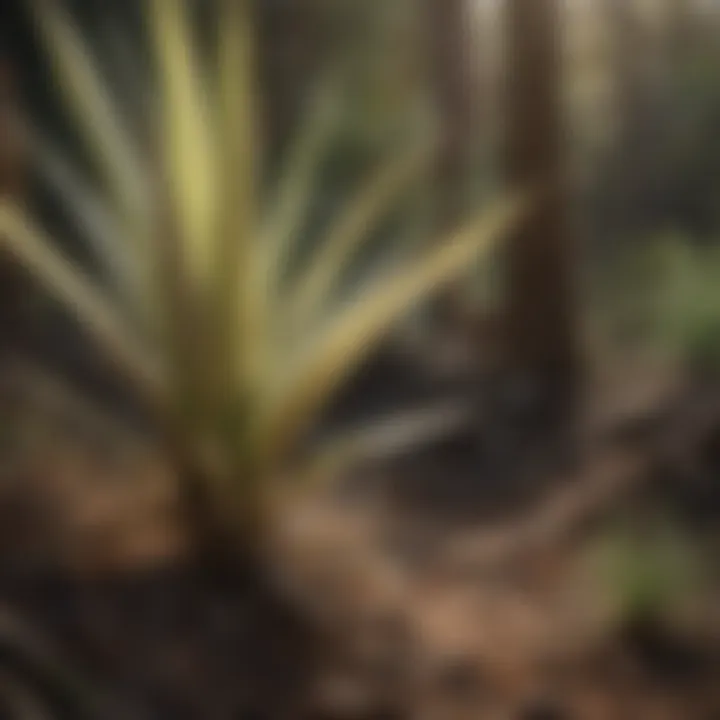
Nurturing Yucca plants to their full potential hinges on providing them with the ideal growing conditions. These hardy plants thrive in arid environments with well-draining soil and abundant sunlight. Additionally, maintaining a suitable temperature range is essential for their growth. Balancing these environmental factors is key to cultivating robust and healthy Yucca specimens.
Pruning and Maintenance Tips
Apart from ideal growing conditions, effective pruning and maintenance play a pivotal role in caring for Yucca plants. Pruning dead or damaged foliage not only enhances the plant's aesthetic appeal but also promotes new growth. Regularly inspecting for pests and diseases is imperative to ensure the overall health of Yucca plants. Implementing a diligent maintenance routine can significantly prolong the lifespan of these remarkable botanical specimens.
Dealing with Common Yucca Plant Issues
Despite their resilience, Yucca plants are susceptible to certain issues that warrant prompt attention. Overwatering is a common pitfall that can lead to root rot and other detrimental consequences. Understanding how to strike a balance in watering practices is essential for mitigating this risk. Additionally, pest infestations and nutrient deficiencies can affect the vitality of Yucca plants. Identifying and addressing these issues promptly is crucial for safeguarding the wellbeing of these fascinating botanical marvels.
Yucca Net: A Closer Look
In this section of the comprehensive guide exploring the intriguing world of yucca plants and the wonders of yucca net, we will delve deep into understanding the significance and complexities of yucca net within the ecosystem. Yucca net, a crucial component in the reproduction process of yucca plants, plays a vital role in ensuring successful seed dispersal and continuation of the species. By focusing on yucca net, we aim to unravel the intricate mechanisms behind this fascinating botanical phenomenon. It is essential to grasp the fundamental aspects of yucca net to appreciate its impact on the overall biodiversity and ecological balance.
Formation and Function of Yucca Net
The formation and function of yucca net are captivating areas of study that shed light on the evolutionary adaptations and reproductive strategies of yucca plants. Yucca net, a specialized structure woven by female yucca moths during the pollination process, serves as a protective barrier for developing seeds. This intricate netting not only safeguards the seeds from external threats but also facilitates pollination by yucca moths. Understanding the formation process and functional importance of yucca net broadens our knowledge of plant-insect interactions and the coevolutionary dynamics between yucca plants and yucca moths.
Significance of Yucca Net in Reproduction
The significance of yucca net in the reproductive cycle of yucca plants is profound and multifaceted. Yucca net not only aids in effective pollination but also promotes the successful development of seeds within the protective enclosure. This unique adaptation ensures the propagation of yucca plants by enhancing seed maturation and germination. By exploring the significance of yucca net in reproduction, we uncover the intricate mechanisms that have evolved over time to establish a symbiotic relationship between yucca plants and yucca moths.
Role of Yucca Net in Ensuring Seed Survival
The role of yucca net in ensuring seed survival is essential for the long-term sustainability of yucca plant populations. Through the intricate weaving of yucca net, female yucca moths create a conducive environment for seed development, shielding them from predators and environmental stressors. The protective barrier formed by yucca net not only safeguards the seeds during the initial stages but also fosters their survival until dispersal. By examining the role of yucca net in seed survival, we appreciate the delicate balance maintained in nature to preserve genetic diversity and ecological stability.
Adaptations and Evolutionary Aspects of Yucca Net
Exploring the adaptations and evolutionary aspects of yucca net unveils the remarkable strategies employed by yucca plants to ensure reproductive success. The evolution of yucca net showcases the intricate coevolution between plants and pollinators, highlighting the mutualistic relationship that has developed over time. By unraveling the adaptive features of yucca net, we gain insights into the resilience of yucca plants in adapting to diverse environmental conditions and ecological challenges. This section aims to elucidate the evolutionary history and ecological significance of yucca net, providing a comprehensive overview of its adaptive value in the plant kingdom.


Exploring the Fascinating World of Yucca Net
In this installment of our exploration into the intriguing world of Yucca plants, we turn our attention towards the captivating subject of Yucca Net. This section unveils the significance of delving into the complexities of Yucca Net within the broader context of our narrative. Analyzing specific elements and underscoring the benefits associated with understanding Yucca Net is integral to comprehending the holistic ecosystem of these remarkable plants.
Within the domain of Yucca studies, focusing on Yucca Net provides a foundational understanding of the reproduction mechanisms and survival strategies employed by these plants. By dissecting the intricate details of Yucca Net, we illuminate the symbiotic relationship between the plant, its moth pollinators, and the environment. Diving into the nuances of Yucca Net sheds light on its pivotal role in ensuring the perpetuation of Yucca species, making it a key focal point in our discussion.
Observing Yucca Net in its Natural Habitat
Envisioning Yucca Net in its natural habitat offers a glimpse into the harmonious interplay between the plant and its surroundings. The intricate patterns and structures of the net provide not just a visual spectacle but a deeper insight into the evolutionary adaptations that have shaped Yucca plants over time. Observing Yucca Net in the wild allows researchers and enthusiasts to witness firsthand the resilience and ingenious design of these botanical marvels.
Exploring Yucca Net in its natural setting unveils a tapestry of ecological connections, from the smallest pollinator to the larger ecosystem dynamics. Observers can witness the strategic placement of the net, its texture, and composition, all contributing to the plant's reproductive success. Such observations not only enrich our understanding of Yucca plants but also underscore the delicate balance within natural ecosystems.
Scientific Research and Discoveries About Yucca Net
Scientific inquiry into the realm of Yucca Net has yielded groundbreaking discoveries that enhance our appreciation for these plants' intricate mechanisms. Researchers have delved into the genetic, biochemical, and behavioral aspects of Yucca Net formation, unraveling mysteries that have intrigued botanists for generations. Studies exploring the morphological features and adaptations of Yucca Net have provided valuable insights into the plant's evolutionary journey.
Investigations into the pollination process facilitated by Yucca Net have revealed a sophisticated interplay of chemical signaling, timing, and mutualistic relationships between plants and moths. By dissecting these scientific revelations, we gain a deeper appreciation for the coevolutionary dance between Yucca plants and their moth partners. Such scientific inquiries not only enrich our academic understanding but also inspire conservation efforts to safeguard these intricate ecological relationships.
Conservation Efforts to Protect Yucca Net Ecosystems
The imperative to protect Yucca Net ecosystems underscores the importance of safeguarding biodiversity and preserving the delicate balance of nature. Conservation initiatives aimed at preserving Yucca plants and their associated species recognize the intrinsic value of these plants beyond their aesthetic appeal. By focusing on the conservation of Yucca Net habitats, environmentalists and biologists aim to uphold the intricate web of life supported by these plants.
Efforts to mitigate threats to Yucca Net ecosystems include habitat restoration, invasive species management, and public awareness campaigns highlighting the ecological significance of these plants. Conservationists work tirelessly to ensure that Yucca Net populations thrive in their natural environments, advocating for sustainable practices that uphold the integrity of these unique ecosystems. By prioritizing the protection of Yucca Net ecosystems, we contribute to the larger tapestry of biodiversity conservation and environmental stewardship.
Conclusion
In the grand scheme of this exhaustive discourse on the vast world of yucca plants and the enigmatic yucca net, the Conclusion section serves as the ultimate destination, encapsulating the significance of the entire narrative. This Conclusion segment acts as the culmination of a journey through the intricate details of yucca plants, shedding light on their unique characteristics, ecological importance, cultivation practices, and their fascinating interplay with yucca moths.
The key essence of the Conclusion lies in synthesizing the wealth of knowledge presented in the preceding sections. It aims to consolidate the divergent pieces of information into a coherent whole, providing a comprehensive understanding of yucca plants and their enigmatic yucca net. For forestry professionals and academics, the Conclusion acts as a critical summary, distilling complex concepts into digestible insights that resonate with their intellectual curiosity and professional acumen.
Moreover, the Conclusion section illuminates the broader implications of yucca plants and yucca net in the realm of botanical studies and ecological conservation. It underlines the importance of preserving these intricate ecosystems, showcasing the delicate balance between flora and fauna that is exemplified in the symbiotic relationship between yucca plants and yucca moths.
By delving into the depths of the yucca plant kingdom and unraveling the mysteries surrounding the yucca net, this article not only serves as a treasure trove of information but also as a testament to the awe-inspiring wonders of the natural world. The Conclusion section, therefore, acts as a gateway to reflection, urging readers to contemplate the marvels of nature and the symbiotic relationships that are woven into the very fabric of our ecological tapestry.