Explore Campgrounds in Yellowstone National Park
Intro
Yellowstone National Park, one of the crown jewels of America's natural wonders, isn't just famous for its geysers and hot springs. At the heart of its vast landscape are the many campgrounds sprinkled throughout, each offering a unique gateway into this stunning wilderness. Whether you are a first-time visitor or a seasoned camper, understanding what these campgrounds have to offer is crucial.
Camping in Yellowstone is not just about pitching a tent; it’s an experience steeped in history, ecology, and practicality. As you explore this guide, you'll find that each campground has its own distinct flavor, influenced by surrounding nature, amenities, and accessibility. Knowing where to bunk down can make all the difference in your outdoor adventure.
So, as we embark on this journey to unveil the details of Yellowstone's campgrounds, let’s dive deep into the factors influencing your camping choice. This will not only enrich your understanding of the park but also enhance your experience as you connect with its remarkable environment.
Intro to Yellowstone National Park
Yellowstone National Park stands as a celebrated jewel in the heart of America, drawing in millions of eager adventurers each year. Its unparalleled beauty and diverse ecosystems create an environment where one can truly connect with nature. In this article, we set the stage for exploring the campgrounds in this iconic park, shedding light on their importance, uniqueness, and the overall experience of camping among its natural wonders.
The Significance of Yellowstone
Yellowstone's significance stretches beyond its breathtaking vistas. As the first national park in the world, established in 1872, it serves as a model for conservation and protection of natural beauty. The unique geological features, including the famous geysers like Old Faithful and pools of bubbling hot springs, attract not only tourists but also researchers, offering insights into geological processes and wildlife behavior.
Moreover, the park supports a rich biodiversity. It is home to a wide variety of flora and fauna, many of which are found nowhere else on Earth. This ecological treasure, combined with its historical aspects and recreational opportunities, makes Yellowstone not merely a destination but a crucial study area for those in environmental and forestry sciences.
Exploring campgrounds in Yellowstone not only allows for immersive experiences but also cultivates an appreciation for preservation efforts and sustainable practices, essential in today’s world of environmental concern.
Historical Background
Delving into the history of Yellowstone enriches the understanding of its campgrounds. Before its designation as a national park, the area was inhabited by Native American tribes, who respected and thrived in tandem with its ecosystems. The park’s vast landscapes and resources shaped their way of life, a connection that contrasts sharply with modern day tourism.
When President Ulysses S. Grant signed the Yellowstone National Park Protection Act, it marked a fundamental shift in how land was managed and perceived by society. This groundbreaking initiative paved the way for the global national park movement, showcasing a commitment to preserving natural landscapes for future generations.
As visitors set up their tents or park their RVs in the campgrounds, they are not just finding a spot for the night; they are stepping into a historical narrative—the fight for conservation, appreciation of nature, and respect for the land’s original inhabitants. It becomes essential to recognize these layers of history when experiencing what Yellowstone has to offer today.
Overview of Campgrounds in Yellowstone
Understanding the variety of campgrounds in Yellowstone National Park reveals a great deal about the experience awaiting campers. Beyond simply providing a place to set up a tent or park an RV, the campgrounds in Yellowstone foster a unique connection between visitors and the stunning natural environment. With mountains, lakes, and wildlife surrounding these sites, enthusiasts can immerse themselves in the beauty of the great outdoors. Each campground has its own character, and knowing their differences can significantly affect a visitor's camping experience.
Types of Campgrounds
Tent Camping
Tent camping stands out for its simplicity and closeness to nature. It offers an intimate experience where one can wake up to the symphony of chirping birds and rustling leaves, a great contrast to the noise of urban life. The key characteristic of tent camping is its accessibility. Many sites are found in remote areas of the park, allowing campers to truly savor the wild landscape.
One notable feature of tent camping is the chance to watch the stars without urban light pollution. This can be a stunning sight for those who may not often see such a clear sky. However, one downside is the vulnerability to the elements, especially if the weather takes a turn. The experience is often seen as beneficial for those who seek a deeper, more authentic encounter with nature.
RV Camping
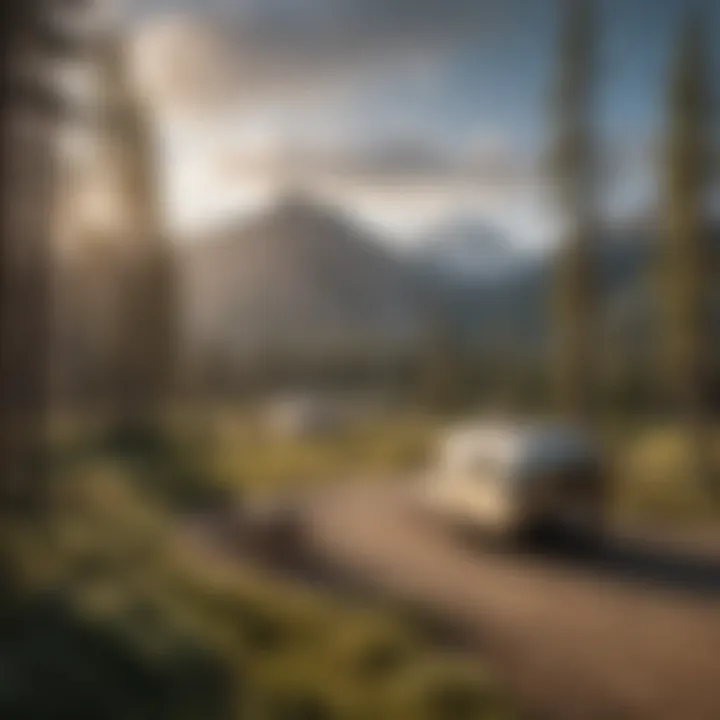
RV camping caters to those who desire more comfort while still wanting to explore the great outdoors. The primary draw is the convenience of having amenities like air conditioning, kitchens, and bathrooms right at your fingertips. This allows for a more relaxing experience, especially for families or those who may not want to rough it completely.
A unique feature of RV camping is the ability to travel with many of the comforts of home, and this can make longer stays more enjoyable. However, it’s important to be aware that some campgrounds might have limited access for larger RVs, which can pose challenges. Despite this, RV camping remains a favored option because it provides a bit of luxury even within the heart of nature.
Group Sites
Group camping sites are perfect for families or friends traveling together. These sites cater to larger groups, enabling a communal experience that can add extra joy to any camping adventure. The key characteristic is the spaciousness, which often accommodates multiple tents or RVs, fostering a sense of camaraderie among campers.
One unique feature of group sites is the opportunity for shared facilities, such as picnic tables and fire pits, enhancing the atmosphere for bonfire storytelling or meal preparation. Yet, they might require advanced reservations and can be less private, which may not appeal to all campers. In essence, group sites serve the social aspect of camping wonderfully, making them a popular choice for those wanting to bond in a natural setting.
Camping Regulations
Wildlife Precautions
Wildlife precautions are critical when camping in Yellowstone, a park famous for its diverse animal population. Understanding these regulations is essential to both ensure safety and respect to the creatures that call this park home. The policy emphasizes keeping a respectful distance from all wildlife, which minimizes stress for the animals and reduces the chances of dangerous encounters.
The unique aspect of wildlife precautions includes guidelines on properly storing food and disposing of waste to prevent attracting unwanted animal visitors. This doesn't only protect humans; it also protects wildlife from becoming habituated to human food. The downside could be seen as the increased responsibility it places on campers, but following these rules is vital for maintaining the delicate balance of nature in the park.
Fire Restrictions
Fire restrictions are in place to protect Yellowstone’s environment from the risks associated with wildfires. These regulations dictate when and where fires can be lit, which often changes depending on seasonal weather conditions. The key advantage is that these restrictions help preserve the unique ecosystem of the park, preventing potential disaster.
It's important to be aware of unique features such as designated fire rings that are allowed. These guidelines can sometimes be seen as a hassle for those who enjoy cooking over an open flame; however, they play a critical role in maintaining park safety. In the end, adhering to fire restrictions is not only about safety but also about preserving the natural beauty that attracts millions of visitors each year.
Leave No Trace Principles
Following Leave No Trace principles is another significant aspect of camping regulations that helps maintain Yellowstone's integrity. These principles emphasize minimizing ecological impact, underscoring the importance of leaving the environment as one found it.
The unique feature here is the focus on education. Campers are not only informed about the regulations but are also taught how to engage with nature responsibly. Although it can sometimes be seen as restrictive, the practices ultimately encourage a deeper appreciation for the natural world. By promoting sustainability, these principles are essential for preserving the park for future generations.
"Knowing how to camp responsibly enhances the experience and protects the beauty of Yellowstone for years to come."
By understanding and adhering to the regulations set forth for campgrounds, visitors not only protect themselves but also contribute meaningfully to the preservation of Yellowstone National Park.
Key Campgrounds in Yellowstone
Yellowstone National Park is more than just stunning geysers and majestic landscapes; it boasts a variety of campgrounds that cater to differing tastes and needs. Each campground holds its unique allure, whether you’re aiming for solitude in nature or proximity to park attractions. Selecting the right campground contributes significantly to the overall experience, allowing visitors to immerse themselves in the park’s grandeur while enjoying essential amenities. Understanding each key campground can enhance the outdoor experience, making it vital for both newcomers and seasoned explorers.
Grant Village Campground
Amenities and Facilities
The Grant Village Campground stands out for its well-rounded set of amenities and facilities. With over 400 campsites, this campground features flush toilets, running water, and laundry services, making it a solid option for families and less seasoned campers. These advancements provide a level of comfort that encourages longer stays. One appealing aspect is the proximity to other conveniences, such as a general store and a full-service restaurant, eliminating the need to travel far for supplies or meals. However, during peak season, the quantity of campers can lead to a crowded atmosphere, which some might find off-putting.
Nearby Attractions
The nearby attractions of Grant Village further elevate its standing among campgrounds in Yellowstone. Just a stone's throw away, visitors can enjoy the scenic beauty of Yellowstone Lake, perfect for fishing, kayaking, and leisurely strolls along the shore. Additionally, the Grant Village area serves as a gateway to explore the magical landscapes of the West Thumb Geyser Basin. This unique combination of recreation and natural wonder makes Grant Village an attractive camping choice. On the flip side, the spot's increasing popularity can lead to bustling crowds, particularly during the summer months.
Norris Campground
Unique Features
Norris Campground is known for its distinct geographical features and vibrant setting. It prides itself on being one of the hottest areas in Yellowstone, with geothermal activity galore. Campers can experience the warmth emanating from the ground, a unique feature that adds to the campground's charm. Moreover, the sense of community is palpable, as fellow nature enthusiasts often share stories and tips around the campfire. Despite its fascinating traits, the terrain might not be ideal for those seeking a more traditional camping experience amid lush forest settings.
Access to Geyser Basins
The access to geyser basins is what truly sets Norris apart. It's situated close to Norris Geyser Basin, the hottest and most changeable thermal area in Yellowstone. Visitors can witness eruptions from various geysers, including the famous Steamboat Geyser, which boasts exceptional eruptions. The proximity to such geothermal wonders enhances the campground experience, ensuring that nature lovers are just a short hike away from some of the park's best features. On the downside, the unique thermal features can attract larger crowds, especially during prime viewing times.
Canyon Campground
The Canyon Area Overview
Canyon Campground is situated amidst one of Yellowstone's stunning geological marvels—the Grand Canyon of the Yellowstone. This location not only offers breathtaking views of the canyon itself but also provides a physical connection to diverse ecosystems. The serene atmosphere gained from the towering trees and whispering winds adds to the campground's allure. Yet, being so central to one of the park's main attractions can invite a burst of visitors, especially during weekends and holidays.
Scenic Hiking Trails
For hiking enthusiasts, Canyon Campground serves as an ideal base. It is surrounded by several scenic hiking trails that offer varying levels of difficulty. Trails lead to iconic sites like Artist Point and the various viewpoints overlooking the canyon, ensuring breathtaking vistas at every turn. The chance to experience these views while camping anchors the allure of this campground. However, it is wise to prepare for possible heavy foot traffic on popular trails during peak seasons, which can detract from the overall peace of the experience.
Madison Campground
Location Insights
Madison Campground is strategically located at the confluence of the Gibbon and Firehole Rivers, making it a favorable spot for water lovers. Its accessibility to the park's main roads allows for easier navigation to attractions like Old Faithful and the beautiful geyser basins. The relaxed vibe and ample shade created by the surrounding trees make it a popular choice for families. However, its proximity to the busy road can introduce unwanted noise, especially during the height of tourist season, which might not be to everyone’s liking.
Fishing Opportunities

The fishing opportunities offered at Madison are notable. The nearby rivers are highly rated for trout fishing, drawing in anglers from far and wide. This feature elevates the campground above others, as nature enthusiasts can indulge in recreation right outside their tents. Anglers appreciate the chance to cast their lines after a day of exploring. One downside, though, is that fishing access can be limited during specific seasons due to regulations aimed at conservation, so it's vital to check local guidelines before heading out.
Lake Campground
Waterfront Views
As suggested by its name, Lake Campground offers stunning waterfront views that create a calming backdrop for campers. Overlooking Yellowstone Lake, the largest high-elevation lake in North America, campers can enjoy mesmerizing sunrises and sunsets from their campsites. The picturesque lake adds a sense of tranquility, and the sound of lapping water can be quite soothing after a day of exploration. However, the beauty that draws visitors can lead to a lack of privacy at busy times, with sites quite close to each other.
Recreational Activities
Lake Campground is a hub for various recreational activities, including boating, kayaking, and fishing. The ease of accessing the water often makes it an attractive choice for those who prioritize water-centric activities. This enhances the overall camping experience, inviting visitors to partake in the lake’s offerings. However, similar to other areas, weekends can see a lot of people, leading to a busier atmosphere that could deter those looking for solitude.
Selecting the Right Campground
Choosing the right campground in Yellowstone is all about ensuring a comfortable and enjoyable outdoor experience. With so many options scattered across this iconic park, picking a site that aligns with your needs can be quite the task. It's not just about pitching a tent or parking an RV; it involves considering factors like accessibility, amenities, and proximity to attractions. A little foresight can make a world of difference in enjoying everything that the park has to offer, from exploring geysers to engaging with the stunning landscapes.
Accessibility Considerations
Road Conditions
When planning your trip, road conditions are a crucial consideration. The park's network of roads can vary in quality and accessibility depending on the season. Many routes remain open during the summer months but may close or become treacherous due to snow and ice in winter. The ease of navigating these roads directly impacts your travel experience, allowing you to spend more time at your chosen campground rather than getting caught in a jam or faced with detours.
One important aspect is the availability of paved roads. Paved roads provide a smoother ride for both tents and RVs, making locations like the Madison Campground a solid choice. On the flip side, dirt roads might lead you deeper into the wilderness but can be more challenging when wet.
Tip: Always check current road conditions on the National Park Service's official site before heading out.
Distance to Attractions
The distance between your campground and key sights can define your daily itinerary. Campgrounds like Grant Village are remarkably close to hotspots such as Lake Yellowstone, making it easy to join morning excursions without long drives. This proximity often translates into more time for activities that matter most to you—whether it’s fishing, hiking, or simply soaking in natural beauty.
When picking a campground, consider how far you’re willing to travel each day. It’s a balancing act: a spot that’s brilliantly secluded might also be quite a hike from popular attractions. Planning your stay strategically can alleviate the tension between solitude and accessibility, allowing for a more spontaneous yet fulfilling camping experience.
Amenities to Look For
Showers and Restrooms
Amenities matter, especially when you're roughing it in the wild for days on end. Showers and restrooms can seem trivial until they're needed after a long day outdoors. Campgrounds with these facilities, like Canyon Campground, significantly enhance comfort. After all, nothing beats a hot shower to wash off the day’s grime.
Moreover, for families and groups, having reliable restroom facilities eases the overall experience. It’s one less thing to wrestle with when juggling kids, cooking meals, or divvying up the day’s plans.
Picnic Areas
One of the simple joys of camping is gathering for meals outdoors. Picnic areas provide a functional space where campers can enjoy meals without the hassle of eating in cramped quarters. Locations such as Lake Campground offer picnic spots with great views, turning every meal into a scenic adventure.
However, consider the trade-offs. Areas with picnic functions can become popular, attracting more visitors. This may diminish the tranquility of your camping experience, so plan accordingly. The right balance between amenities and the atmosphere you desire is key to an enriching outdoor experience.
By focusing on accessibility and amenities before you pack your bags, you can ensure that your Yellowstone adventure is both gratifying and smooth. Remember, it’s all about what suits your unique camping style and needs!
Reservation Processes and Timing
The topic of reservation processes and timing is central to the camping experience in Yellowstone National Park. With its vast natural beauty and diverse wildlife, many visitors flock to the park, especially during peak season. This creates a demand for campgrounds that often exceeds availability. Understanding the reservation systems in place and the best times to camp can greatly enhance your outdoor experience and ensure that you don't miss out on the majestic surroundings of Yellowstone.
Reservation Systems
Yellowstone operates on a reservation system that allows visitors to secure spots ahead of time. For many campgrounds, particularly the more popular ones, reservations can be made through the official Yellowstone National Park website or via third-party platforms. Booking in advance is crucial, especially in peak summer months when sites fill up faster than a hot cake at a county fair.
Here's a breakdown of some key points regarding the reservation systems:
- Online Reservations: These make planning a breeze. Just a few clicks and you can lock in your site. It saves time and ensures you have a guaranteed spot amidst the wild grandeur.
- First-Come, First-Served Sites: Not all campgrounds take reservations. Some remain open for walk-ins, but these can be a gamble during high traffic times. Being the early bird might just win you a space.
- Cancellations and Changes: Flexibility is vital. Parks frequently experience changes in reservation status. Keeping your fingers crossed? Make sure to familiarize yourself with their cancellation policy, so you won't be caught off guard.
Best Times to Camp
Seasonal Variations
Camping in Yellowstone varies dramatically with the seasons. Each has its unique characteristics that can enhance or detract from the experience depending on what you seek from your outdoor adventure.
- Spring: With flowers blooming and wildlife coming alive, it is undeniably a beautiful time to visit. However, be prepared for unpredictable weather.
- Summer: Peak season, no doubt. The weather is warm, and most campgrounds are open. But, it gets crowded quickly—like ants to a picnic.
- Fall: A hidden gem with fewer crowds and breathtaking foliage. The crisp air and vibrant colors transform the landscape into something spectacular.
- Winter: While camping in winter may be more challenging, it's perfect for those looking to experience a serene and quiet part of the park, but most campgrounds are closed.
Weather Considerations
Weather plays a vital role in your camping endeavors. Not only does it impact comfort, but also safety and accessibility.
- Summer Heat: Temperatures can soar, which means staying hydrated is key. It’s also a good time for swimming in nearby lakes, if you can brave the cold a bit.
- Winter Chill: Visiting during the colder months requires extra gear. Cold snaps can lead to icy conditions. However, the tranquility of a snowy landscape can be enchanting.
- Predictability: The weather in the park can be like a box of chocolates—you never know what you're gonna get. Always have a backup plan in case Mother Nature decides to throw a curveball.
Camping in Yellowstone is not just about securing a spot; it's about timing your visit and preparing for the myriad conditions the park can present. The more informed you are, the more you can savor the awe-inspiring beauty that awaits you, from the bubbling geysers to the vast starry skies.
"In any outdoor adventure, a little preparation goes a long way in transforming a good experience into a great one."
Finally, making the right decisions about when to visit and how to handle the reservation process can elevate your trip to Yellowstone from ordinary to extraordinary. By aligning your preferences with park offerings and conditions, you can ensure an unforgettable experience.
Ecological Importance of Campgrounds
Camping in natural settings can be a transformative experience. In Yellowstone National Park, campgrounds serve as more than just places to pitch a tent or park an RV. They play a vital role in maintaining the ecological balance and fostering environmental stewardship. The campgrounds here are strategically located and designed to minimize human impact while allowing visitors to immerse themselves in the breathtaking surroundings, contributing to both personal enjoyment and ecological awareness.
Wildlife Habitats
Yellowstone is renowned for its diverse ecosystems, home to a wide array of wildlife. Campgrounds in this park are often situated near critical habitats, offering visitors a chance to observe animals in their natural environments. Species such as bison, elk, and bears roam freely in the proximity of camping areas.
Providing access to these habitats, the campgrounds help bridge the gap between human visitors and the wildlife that inhabits this stunning landscape. However, it is essential for campers to remain vigilant and respectful of these habitats. Simple practices, like keeping food stored securely and adhering to wildlife safety guidelines, are crucial to ensuring that campers and wildlife can coexist without undue stress. Successful wildlife encounters rely heavily on the understanding that we are guests in their home, fostering a delicate balance between human recreation and animal preservation.
Preservation of Natural Resources
The campgrounds in Yellowstone also function as a crucial point for natural resource management. By concentrating visitor activities to designated areas, the park effectively preserves in-tact wilderness zones, reducing overall wear and tear on sensitive ecosystems. Well-maintained campgrounds encourage responsible behaviors, empowering campers to follow Leave No Trace principles and minimize their ecological footprint.
"Concentrating human activity in campgrounds helps protect Yellowstone’s fragile landscapes from degradation."
Responsibility does not end with just campsites. Campers are often encouraged to further engage in conservation efforts, such as participating in clean-up initiatives, learning about sustainable practices, or even reporting any harmful activities encountered during their visits.
Moreover, campgrounds serve as educational platforms where signs and visitor centers help inform about local flora and fauna, water resources, and the importance of preserving these areas. It helps ensure visitors leave with a deeper appreciation of nature.
Culmination and Final Thoughts
Camping in Yellowstone National Park offers a unique opportunity to connect with nature while experiencing the park's exceptional beauty. As this guide underscores, understanding the various campgrounds and their specific characteristics will significantly enhance your visit.
Each campground holds unique charm, from the proximity to spectacular geysers to scenic lakeside views. Selecting the right one adds layers to your outdoor experience, enabling you to immerse yourself in the serene landscapes that define the park. Consider this not just a trip, but an invitation to witness the ecological diversity that thrives within these grounds.
Enhancing Outdoor Experience
Many elements contribute to a better outdoor experience in Yellowstone. Here are some ways to elevate your camping adventure:
- Plan Your Activities: Know what you want to do beforehand. Hiking, fishing, or wildlife watching should guide your choice of campground.
- Engaging with Nature: Spend time soaking in the surroundings. Try to participate in ranger-led programs, offering insights into the ecosystem.
- Community Sharing: Joining forums on sites like reddit.com allows campers to exchange stories, tips, and perhaps find a camping buddy to enrich the journey.
Enhancing your outdoor experience is about merging enjoyment with education. It is crucial to absorb the lessons nature provides, learning about the balance of ecosystems.
Respecting Nature and Its Spaces
Respecting the natural world is a non-negotiable principle for every camper. Here are simple yet effective practices:
- Leave No Trace: Always adhere to the Leave No Trace principles. Ensure you clean up after yourself and dispose of waste properly.
- Wildlife Interaction: Keep your distance when encountering wildlife. Feeding animals disrupts their natural behavior.
- Stay on Designated Trails: To protect native flora, wandering off established paths can lead to significant damage.
"Nature doesn't need people, people need nature."
By respecting these guidelines, you contribute to preserving the pristine condition of Yellowstone. Your time in the park becomes a part of a greater legacy of ecological stewardship, encouraging future generations to experience nature in its unspoiled form.
In summary, planning is vital. Choose your campground wisely, engage deeply with the environment, and uphold the values of conservation. These factors will not only enhance your Yellowstone experience but also foster a profound appreciation for its natural wonders.