Planning Your Grand Canyon Hiking Experience
Intro
Hiking the Grand Canyon is a journey steeped in awe and challenge, drawing adventurers from every nook of the globe. Yet, as magnificent as the scenery may be, planning a trek through such a vast expanse requires more than just enthusiasm and a sturdy pair of boots. To fully appreciate this wonder, one must grasp the duration needed and the essentials vital for a successful hike.
While seasoned hikers may have their own tapestry of experiences to share, it’s essential to note that the Grand Canyon is unlike any other hiking destination. The trails range from leisurely strolls on the rim to grueling descents into the canyon's heart. Depending on the chosen path, the anticipated time commitment can swing from a couple of hours to days on end. It’s wise to map out not just the distances, but the physical demands of each trail and to educate oneself on the weather conditions that can shift quicker than you can say "wow."
Moreover, preparation doesn’t stop at understanding the trails. Knowledge of gear, nutrition, hydration, and safety measures is paramount. After all, the last thing anyone wants is to be caught in the middle of a treacherous incline with inadequate supplies or a baffling lack of foresight.
To ensure readers can navigate through the various strands of information, this guide will delve deeply into these aspects, helping aspiring hikers take full advantage of their time in the canyon while mitigating risks.
The adventure of hiking through the Grand Canyon blends endurance with exploration, and as we piece together this puzzle, it becomes evident that the more well-informed a hiker is, the more enriching their journey will be.
Understanding the Grand Canyon Geography
When planning any hike in the Grand Canyon, having a solid grasp of its geography isn’t just helpful; it’s essential. The sprawling landscapes and intricate topography offer unique challenges and awe-inspiring views that should shape not only your route but also your expectations and preparation. Geographic knowledge provides insight into potential weather variances, the type of terrain to traverse, the available trails, and how all these elements combine to affect hiking durations.
Overview of the Grand Canyon
The Grand Canyon is a colossal chasm carved by the Colorado River, stretching over 277 miles in length and reaching depths of over a mile. This impressive formation showcases ancient layers of rock dating back millions of years, each with distinct hues and textures that reveal the Earth’s history. Tectonic activity and erosion have worked hand in hand to chisel out this breathtaking landscape, making it not only a geological marvel but a living laboratory for studying natural processes.
Its massive scale means that visitors can experience diverse environments ranging from desert scrub at the rim to lush vegetation deeper in the canyon. This variety significantly influences how hikers should approach their treks. For instance, what you might encounter on the South Rim differs markedly from the remote and rugged North Rim.
Moreover, it’s essential to consider that the elevation changes drastically, affecting temperature and weather patterns. Geographically speaking, hikers should expect cooler temperatures at the rim and much hotter conditions down in the Inner Canyon. This variation underscores the critical need for careful planning and preparation prior to embarking on any hike through the canyon's depths.
Trail Mapping and Complexity
Navigating the Grand Canyon isn’t a walk in the park; it’s a test of your knowledge and intuition. Trail complexity can be a bit like a riddle wrapped in a conundrum, and understanding the layout is crucial. Each trail offers different challenges, from lengths to elevation gains, and some are well-marked while others might require more navigational skills.
- Popular Trails: Bright Angel and South Kaibab are frequented by many, but their popularity doesn’t mean they lack challenges. Bright Angel is known for its gradual decline, but that makes the hike back feel like climbing a steep wall; South Kaibab offers stunning views but has little shade and can be sweltering.
- Inner Trails: Other routes, like those leading to the Colorado River, are less travelled and present their own set of difficulties with rocky scrambles and fewer signs. They demand legwork and a solid sense of direction.
Moreover, maps can sometimes feel like puzzles; layers of detail can blur in excitement but integrating that information is key. Online tools and physical maps are heavily relied on, yet many hikers still get turned around due to the intricate network of trails. Understanding their complexity contributes to better decision-making about routes, needed supplies, and time allocation, whether you are looking at short jaunts or longer treks.
Main Hiking Trails Within the Canyon
Hiking the Grand Canyon is not just about wandering through a massive chasm; rather, it is about immersing oneself in an extraordinary natural landscape where every trail paints a unique story. The main hiking trails within the canyon provide essential access to various viewpoints and unique geological features, making them indispensable for hikers seeking to experience the canyon's true essence. Not only do these trails differ dramatically in terms of scenic diversity, but they also present distinct challenges that can significantly affect hiking duration and overall experience. Through a thoughtful understanding of these trails, hikers can make informed decisions that align their capabilities with the awe-inspiring landscapes of the Grand Canyon.
South Rim Trails
The South Rim dominates tourist access and is often where most visitors begin their adventure. You might catch the sunrise at Mather Point or walk along the Rim Trail to look out over the vast canyon. The trails here are more developed, with clearer path markers and convenient rest areas. Bright Angel Trail, one of the most popular, descends about 4,500 feet into the canyon, challenging even seasoned hikers to be prepared.
Benefits of South Rim Trails:
- Accessibility: The proximity to Grand Canyon Village and visitor facilities makes it incredibly convenient for various skills levels.
- Amenities: It’s packed with ranger-led programs and points of interest like the historic Kolb Studio.
- Scenic Views: With numerous viewpoints, the experience is enriched with iconic vistas that have been adored in countless photographs.
But let’s not sugarcoat it—each trail has its own quirks. For instance, the steepness of the Bright Angel Trail can be daunting, especially when the return journey looms large. Hence, it's best to start early in the morning, when the sun is just rising, keeping you fresh instead of frazzled.
North Rim Trails
If you're seeking a more solitary experience, the North Rim trails could be just your cup of tea. Less frequented than their South Rim counterparts, these trails proactively showcase the quieter, wilder side of the Canyon. Trails like the North Kaibab Trail offer an equally breathtaking descent but with a different terrain feel and elevation profile.
Considerations for North Rim Trails:
- Isolation: It is less crowded, allowing for a more personal encounter with nature.
- Flora Diversity: This area boasts a rich diversity of plant life, with ponderosa pines prevailing in cooler temperatures.
- Seasonality: The North Rim is generally open from mid-May to mid-October, with winter accessibility limited.
As such, hikers should ensure they are well-prepared for changes in weather and potentially longer routes. The essence lies in the wild exposure, even if the trails there seemed trickier at times.
Inner Canyon Routes
The Inner Canyon routes are where the magic genuinely happens for the adventurous souls. Featuring trails such as the South Kaibab Trail and the descent to Phantom Ranch, these paths allow for profound communication with ancient geology and challenging hiking experiences. They require more than just basic equipment, pushing one’s physical limits while unveiling a profound appreciation for the canyon’s depth.
Key Aspects of Inner Canyon Routes:
- Challenging Terrain: These trails often present a combination of switchbacks and steep inclines, demanding a higher fitness level.
- Unique Ecosystem: Hikers often encounter a range of microclimates, from the arid desert to lush oases along the river.
- Regenerative Opportunities: For those who camp at Phantom Ranch, there is a notable chance for recovery amidst the canyon’s charm before the daunting journey back begins.
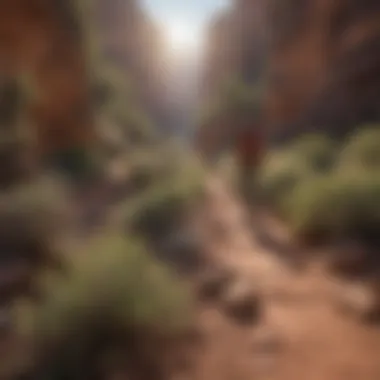
Navigating these routes isn’t for the faint-hearted, yet the breathtaking views along the Colorado River and nearby waterfalls make it undeniably rewarding.
"The trails may be rugged, the weather unpredictable, but every step unveils a new perspective of Earth's grand design."
Factors Affecting Hiking Duration
Hiking the Grand Canyon is not just about lacing up your boots and hitting the trail. It involves careful consideration of various factors that can significantly impact the duration of your hike. Proper understanding of these elements can make the difference between an enjoyable trek and a grueling experience. Whether you're a seasoned hiker or a novice, knowing what to expect can enhance your adventure and keep you safe.
Individual Fitness Levels
A hiker's physical fitness plays a crucial role in determining how long a hike will take. An individual with a high level of fitness might breeze through challenging terrains, while those less conditioned may find themselves lagging behind. It’s vital to be honest with yourself about your stamina and prepare accordingly. If you've been cooped up at home for too long, jumping straight into strenuous hikes on steep trails like Bright Angel may not be the best choice.
Training before your hike is beneficial. Activities such as hiking on smaller hills or stair climbing can build endurance. Moreover, incorporating strength training can make a real difference. Understanding your limits and pacing yourself is key to not overexerting before even reaching that majestic viewpoint. Still, one needs to remember: a faster pace can burn through energy like wildfire on a dry summer day.
Trail Conditions and Seasonality
The Grand Canyon's trails aren’t static; they change with the seasons and weather. During the summer months, temperatures can soar, making it feel like you’re hiking on hot coals. Conversely, winter can bring icy conditions that transform easy trails into treacherous slopes. Taking into account the seasonal variations and conditions of the trails at the time of your hike is paramount.
Rain or freshly melted snow can cause trails to become muddy, slippery, and dangerous. It’s wise to plan for slower hiking times if rain is in the forecast. In contrast, an unseasonably cool day may allow for quicker movement up the trails. More than anything, you want to avoid stepping into unexpected conditions that can throw a wrench in your carefully laid plans. Researching the current conditions prior to your hike can offer invaluable insights.
Necessary Breaks and Rest Points
Taking breaks is essential. Think of this not just as a chance to catch your breath, but as an opportunity to absorb the stunning vistas around you. Rest points along the trails can serve as focal points for hydration and refueling. It’s essential to schedule these stops not just for safety, but to also appreciate the grandeur of the canyon at a more relaxed pace.
There’s a rhythm to hiking, and knowing when to pause can actually invigorate your journey overall. For instance, a brief lounge at a scenic viewpoint can refresh your spirits and energy levels, while too many stops might wind up extending your hike significantly. Every person has a preference: some opt for regular short breaks, while others might prefer longer intervals at top spots. Finding that balance will ensure you don’t end up dragging yourself towards your ultimate destination, feeling like a marathon runner at the tail end of a race.
"Preparation is half the journey. Adjust your expectations to the hike, and enjoy what comes." - Unknown
By acknowledging these factors affecting hiking duration and adjusting your plans accordingly, you're setting yourself up for a remarkable experience in the Grand Canyon. Prepare well, stay aware, and immerse yourself in one of nature's most breathtaking masterpieces.
Average Hiking Times on Popular Trails
Understanding the average hiking times on popular trails within the Grand Canyon is essential for anyone looking to plan their adventure. Not only does this information help in estimating how long a hike might take, it also provides insights into the physical demands and potential challenges associated with each path. Knowing the expected duration on these trails enables hikers to schedule their trips effectively, ensuring that they have enough time to complete their hikes safely while enjoying the breathtaking landscapes. Moreover, it allows for better planning concerning hydration, food supplies, and rest periods, which are critical given the canyon's diverse and often harsh environment.
Bright Angel Trail
The Bright Angel Trail is arguably one of the most well-known routes in the Grand Canyon. Stretching about 9.5 miles one way, the average hiking time varies significantly depending on one's physical fitness and the number of breaks taken. Many hikers often complete this trail in anywhere from 4 to 6 hours to reach the halfway point, known as the Indian Garden, while a round trip can stretch to 9 to 12 hours. One notable feature of this trail is its access to water at the Indian Garden, which can be a lifesaver in warmer months.
Hikers should prepare for a gradual descent on the way down, but the ascent back to the rim can require significant stamina. The trail features shade in certain segments, especially in the morning, making it a preferred option for many. It's vital for hikers to check trail conditions beforehand, as recent weather can influence the accessibility and safety of this popular route.
South Kaibab Trail
In contrast, the South Kaibab Trail is celebrated for its stunning views, but it presents a different set of challenges. This trail is about 6 miles to the Colorado River and lacks water sources, making it critical for hikers to carry ample fluids. On average, it takes about 3 to 5 hours to reach the river, but this can depend heavily on pace and conditions. Many opt for this trail for the panoramic vistas it offers; however, the steepness can make for a demanding overall experience.
Given the absence of shade along much of the trail, hikers should start early, particularly during the warmer months, to avoid the midday sun. The terrain can become slippery during or after rain, and understanding the trail's nuances can mean the difference between a delightful experience and a strenuous outing.
Other Notable Trails
Beyond these two, there are numerous other trails worth considering that cater to different skill levels and preferences. Some of the trails include:
- Hermit Trail: This 9-mile trek is challenging but rewards with fewer crowds and incredible views. Average hiking time can range from 5 to 8 hours for a round trip.
- North Kaibab Trail: Located on the North Rim, this trail offers unique perspectives of the canyon but is less frequented than the South Rim trails. For those looking to venture into the depths, a hike to the Supai Tunnel can take about 3 to 5 hours.
- Grandview Trail: Known for its steep and rugged terrain, average hiking time is 2 to 5 hours to climb down to viewpoints, but preparation (both physical and gear-wise) is key here.
Each of these trails presents a unique way to engage with the Grand Canyon’s stunning geography. It's paramount to consider personal fitness, trail conditions, and weather before embarking on any hike. As you venture to conquer these trails, having a clear understanding of the expected hiking times and challenges will greatly enhance not just your journey, but also your overall experience in one of the world's natural wonders.
Planning Your Hike
Understanding how to adequately plan your hike through the Grand Canyon can make all the difference between an enriching experience and a daunting challenge. This planning phase encompasses multiple elements, from identifying your skill level to selecting a suitable trail, to organizing accommodations. Each aspect plays a vital role in ensuring that you're prepared for the rigors of the hike while also savoring the breathtaking scenery that the Grand Canyon has to offer.
When approaching this iconic destination, a bit of foresight goes a long way.
Choosing the Right Trail for Your Skill Level
Selecting a trail that aligns with your skill and comfort level cannot be overstated. The Grand Canyon offers a wide spectrum of trails, each with different challenges and scenic rewards. For instance, the Bright Angel Trail is well-marked and provides easier access points, making it suitable for those with limited experience. In contrast, trails like the North Kaibab might be more appropriate for seasoned hikers, featuring diverse terrains and steeper elevations.
Considerations when choosing a trail:
- Fitness Level: Assess your physical condition honestly. If you're not in great shape, don't dive into a strenuous trail without some prep.
- Trail Length and Elevation: A longer elevation gain can turn a casual hike into a certified workout.
- Time Commitment: Be realistic about how much time you can dedicate to hiking. Ensure the trail fits within your schedule.
Tailoring the trail to your abilities not only enhances safety but also maximizes enjoyment.
Recommended Itineraries
Once you've pinpointed the perfect trail, formulating a viable itinerary becomes essential. Your itinerary should address the pacing of the hike, potential rest stops, and estimated completion times.
Sample Itineraries for Various Trails:
- Bright Angel Trail:
- South Kaibab Trail:
- Day 1: Hike down to Indian Garden (4.5 miles, 3-5 hours)
- Day 2: Rest day at Indian Garden
- Day 3: Return to the rim (4.5 miles, 4-6 hours)
- Day 1: Trek to Cedar Ridge (1.5 miles, 1-2 hours)
- Day 2: An extended hike to Skeleton Point (3 miles, 2-3 hours)
Such itineraries allow you to enjoy the experience without the rush, soaking in the awe-inspiring vistas that make the Grand Canyon world-renowned.
Accommodations and Camping Options
Finding the right place to rest after a day of hiking is another crucial element in your planning process. The Grand Canyon offers various options, from established campgrounds to comfortable lodges.
For those looking to camp:
- Mather Campground: A popular, family-friendly option, accessible from the South Rim.
- Bright Angel Campground: Ideal for those hiking to the canyon floor, it lies close to the Colorado River.
If camping isn't your style, accommodations such as
- El Tovar Hotel: Taking luxury to new heights, this historical lodge offers a cozy retreat.
- Yavapai Lodge: A more budget-friendly option located near the visitor center.
Tips for reservations:
- Book well in advance, especially during peak seasons.
- Check cancellation policies to avoid losing deposits.
In summary, careful planning enables you to optimize every facet of your hiking adventure in the Grand Canyon. By choosing your trail wisely, drafting a thoughtful itinerary, and securing accommodations that match your needs, you can transform your hiking experience from a simple trek into a memorable journey through one of nature's masterpieces. Remember, preparation is not just about avoiding mishaps; it's about enriching your adventure in ways you never thought possible!
"Preparation is the key to success. Without it, the journey through the Grand Canyon might just become a strenuous ordeal instead of a trail full of wonder."
Logistical Considerations for Hikers
When contemplating a hike through the vast stretches of the Grand Canyon, paying heed to logistical considerations is crucial. Proper planning can have a significant bearing on the overall experience. From securing the necessary permits to understanding the nuances of safety protocols, every detail plays a pivotal role in ensuring that your journey is both enjoyable and safe.
Permitting Requirements
To hike in the Grand Canyon, it's paramount to be aware of the permitting requirements. The National Park Service mandates certain trails, particularly those descending into the canyon, require a backcountry permit. This applies to trails like the Bright Angel and South Kaibab, given their popularity and the potential for backcountry camping.
Steps to Obtain a Permit:
- Determine Your Route: Decide which trail you plan to hike, as specific permits are tied to designated areas.
- Apply Ahead of Time: It’s wise to apply at least several months in advance, especially during peak seasons.
- Follow the Guidelines: Each permit application comes with detailed guidelines, including group size limits and camping restrictions.
- Fees: Be prepared to pay a small fee for processing your permit application.
Insufficient planning in this regard can lead to last-minute complications. About one-third of those attempting this hike without permits are turned back, leaving them at the base of a mountain of disappointment rather than paradise.
Safety Protocols and Emergency Contacts
Hiking in the Grand Canyon isn't just about scenic views and adrenaline rushes; safety is paramount. The environment can be unforgiving, and proper protocols can be the difference between a memorable adventure and a dire situation.
Here are some essential safety considerations:
- Check Weather Conditions: Conditions can change in a heartbeat, especially in higher elevations. Always look at forecasts prior to your hike.
- Know Your Limits: Understanding your physical limitations is vital. This canyon demands respect; venturing too far without proper preparation can lead to exhaustion or worse.
- Inform Someone: Always let a reliable contact know your plans. A simple message detailing your expected route and return time can assist rescue teams should you run into trouble.
"Preparation is the key to success; an informed hiker is a safe hiker."
In terms of emergency contacts, have a list readily accessible. Program important numbers into your mobile devices, even if reception can be patchy. The Grand Canyon does have ranger stations where assistance can be sought if necessary; nonetheless, being self-reliant is the best course of action.
In summarizing, logistical considerations are not merely formalities; they are the building blocks of a successful and enriching hiking expedition. Whether it's obtaining the right permits or prioritizing safety protocols, each component contributes to an overall experience that is safe, enjoyable, and memorable.
Physical Preparation for a Grand Canyon Hike
Preparation for a hike in the Grand Canyon is not something to be taken lightly. The vastness and the sheer vertical challenges of the landscape demand that hikers be in good shape, both physically and mentally. Understanding how to prepare physically can make a daunting trek feel more manageable and enjoyable. It's not just about stamina; it's a holistic approach that includes training routines, essential gear, and mental readiness.
Training Routines and Endurance Building
Building endurance for a trek in the Grand Canyon involves more than just walking long distances. It’s about conditioning your body to handle steep climbs and descents, which characterize many trails in the area. A well-rounded training routine might look something like this:
- Cardiovascular Training: Activities like running, cycling, or swimming for at least three times a week can help build overall cardiovascular endurance. Consider hiking trails of varying difficulty. Start with local hills or parks to simulate the canyon’s elevation changes.
- Strength Training: Integrating weight-lifting exercises, focusing on the core, legs, and back can offer significant benefits. Squats, lunges, and deadlifts are crucial as they build the muscles you'll rely on while navigating rocky paths and tackling the canyon’s steep grade.
- Flexibility and Balance: Regular stretching, yoga, or Pilates can aid in increasing flexibility, reducing the likelihood of injury. Balance exercises, like single-leg stands or using a balance board, can prepare you for uneven surfaces.
This comprehensive approach not only aids endurance but also builds resilience, ensuring that you're not just prepared for the hike, but also able to enjoy the breathtaking scenery without feeling like your legs might give out on you.
Essential Gear and Equipment
Having the right equipment is just as critical as physical conditioning. Without the proper gear, even the most physically fit hikers could face serious challenges during their descent or ascent. Here are key items to include in your pack:
- Footwear: Invest in high-quality hiking boots that provide ample support, cushioning, and traction. Make sure to break them in properly before setting off on your journey.
- Clothing: Opt for moisture-wicking materials and dress in layers. The temperature can swing dramatically between the rim and the canyon floor.
- Hydration System: Staying hydrated is non-negotiable. Carry a hydration bladder or water bottles to ensure you have easy access to water.
- Emergency Gear: This includes a first-aid kit, a whistle, a small knife, and possibly a GPS device or map. Being prepared for the unexpected could make all the difference.
In terms of nutrition, don’t forget energy-boosting snacks like nuts, energy bars, and fruits. These will come in handy during breaks and help sustain your energy levels throughout the hike.
"Preparation is just as crucial as the journey itself; it’s the unsung hero of hiking success."
As a whole, combining a focused training regimen with the right equipment ensures a better experience at the Grand Canyon. This level of preparation pays dividends in enjoyment, allowing you to behold the majestic formations and the swap of wildlife rather than focusing on discomfort.
Understanding Environmental Challenges
When one thinks of hiking the Grand Canyon, images of breathtaking vistas and rugged terrain often come to mind. However, understanding the environmental challenges inherent to this majestic landscape is equally crucial for any hiker. Knowing how to handle the unpredictable weather, and being aware of the local wildlife can make the difference between an exhilarating experience and a daunting ordeal. This knowledge isn’t just beneficial; it is essential for ensuring a safe and enjoyable journey in one of America's most iconic natural wonders.
Weather Patterns and Seasonal Changes
The Grand Canyon's weather is as varied as its topography. From searing heat in summer to unexpected snowfalls in winter, understanding these patterns may help hikers prepare adequately for their trips.
Temperature Fluctuations: During the warmer months, the South Rim can soar above 100°F (38°C), while the Inner Canyon will typically be several degrees warmer due to its lower elevation. Conversely, winter temperatures plunge, sometimes dropping as low as 20°F (-6°C). Recognizing such fluctuations will aid in choosing appropriate clothing and gear.
Rain and Storms: Monsoon season, which stretches from late June to mid-September, introduces unpredictability with sudden thunderstorms. These storms can lead to flash flooding, particularly in narrow canyons. Hikers should remain cautious and keep an eye on weather reports. No one wants to be caught in the downpour while navigating steep trails!
Seasonal Considerations: Spring and fall are often deemed ideal times to hike, given the mild temperatures and stunning scenery. These seasons present a perfect blend of comfortable weather and vibrant flora. In contrast, summer is both popular and perilous, as many trails can become crowded, and the heat factors stress on both hikers and their equipment.
Ultimately, understanding weather patterns not only helps in planning the hike but may also prevent potential hazards, ensuring that the trek remains memorable for the right reasons.
Wildlife Precautions
The Grand Canyon is home to a diverse assortment of wildlife, including deer, coyotes, and even rattle snakes. While they add to the beauty of the outdoors, caution must be taken when encountering them.
- Avoiding Encounters: Most animals are shy and steer clear of humans. Nevertheless, it pays to remain aware of your surroundings to avoid surprise encounters. Watching for tracks or signs of animal activity can help observers converse with their environment better.
- Don’t Feed the Animals: The last thing hikers should do is feed them. Wild animals can develop dangerous habits, like approaching people for food. This can lead to unfortunate circumstances for both hikers and wildlife. They are best appreciated from a distance.
- Snake Awareness: Rattle snakes, in particular, have become a concern. Strikingly camouflaged, they can appear suddenly. It is wise to watch where you step and tread carefully, especially around rocky areas or brush.
- Understanding Habitats: Recognizing different habitats can be useful for minimizing interactions. For example, if hikers can identify areas with higher animal activity, they can choose alternate routes or adjust times of their travels to mitigate encounters.
"The Grand Canyon is a place of beauty, but it's also essential to respect the wildlife that calls it home. With the right precautions, one can greatly minimize potential encounters."
Awareness and preparation don’t just enhance the hiking experience; they are vital tools for navigating the whimsical dynamics of the Grand Canyon’s environment while also preserving it for future generations.
Post-Hike Considerations
Once the exhilarating adventure of hiking the Grand Canyon concludes, it is crucial to take into account various post-hike considerations. These not only serve to enhance recovery but also allow hikers to gain insights from their experience, reflecting on what was learned during their journey. The Grand Canyon presents both physical challenges and stunning landscapes, making it an unforgettable experience, but without proper post-hike care, the allure of this great expanse can quickly turn into a burdensome memory.
Recovery Strategies and Nutrition
Recovery after an extensive hike like the ones found in the depths of the Grand Canyon is vital in ensuring that your body bounces back. The rigorous trails can put a strain on muscles and joints, so it's essential to formulate a recovery plan that incorporates hydration, nutrition, and rest. Following are some strategies to consider:
- Hydration: Drink plenty of water post-hike. Even if you feel fine, your body could still be dehydrated from the exertion.
- Nutrition: Replenish energy with nutritious foods rich in proteins and carbohydrates. Consider foods like quinoa, fish, nuts, or fruits. Protein helps in muscle recovery, while carbs refuel energy stores.
- Rest: Take time off from intense physical activities after the hike. Allowing your body some down time can help in muscle recovery and prevent the risk of injury.
- Stretching: Performing gentle stretches or yoga can aid in alleviating muscle tightness. Try to focus on areas that feel stiff or strained during the hike, such as the hamstrings or lower back.
- Ice Baths: Some hikers swear by ice baths for reducing inflammation. While it may not be the most pleasant experience, it can provide a significant relief from soreness.
Integrating these strategies can vastly improve recovery and set the stage for your next adventure. Keep in mind that recovery is not a race; listen to your body and give it the necessary time to heal.
Sharing Experiences and Lessons Learned
Reflecting on the hike is not just about the views; it’s equally about the stories and challenges faced along the way. Sharing experiences can be immensely beneficial, both for the individual and for others considering their own hiking journey. Here's why it's worthwhile:
"Experiencing the wild isn’t solely about conquering mountains; it’s also about nurturing connections and wisdom to pass along."
- Community Building: Engaging with fellow hikers or local clubs can create bonds over shared tales of endurance. Online platforms like Reddit and Facebook have groups where you can connect with others who’ve tackled similar trails.
- Learning Opportunities: Each hiking experience brings lessons—whether it's about physical preparedness, navigating trail markers, or handling unexpected weather changes. Sharing these lessons can prevent others from making the same mistakes.
- Conservation Advocacy: By sharing experiences, hikers often spread awareness about the importance of preserving natural environments. Highlighting the beauty of places like the Grand Canyon can galvanize others to act responsibly and support conservation efforts.
- Personal Growth: Lastly, it fosters personal development. Reflecting on what was challenging and how you overcame it can inspire growth in many aspects of life.
In summary, the moments after returning from a hiking expedition are just as significant as the hike itself. By focusing on recovery, nutrition, and sharing your story, not only do you celebrate your own adventure, but you also contribute to a collective appreciation for hiking culture and environmental stewardship.