
Exploring Pine Nuts: Classification and Characteristics


Intro
Pine nuts, often admired for their creamy texture and subtle flavor, are more than just a culinary delight. They hold an intricate relationship with the ecosystems from which they originate. To truly grasp the essence of these small seeds, we explore their classification, culinary significance, and the broader ecological context.
As we peel back the layers of this delightful food, readers will find themselves immersed in discussions about the different types of evergreen trees that yield these nuts, the unique characteristics that set them apart, and their role within American forests. Understanding these facets is key to discerning their contribution to both human nutrition and biodiversity.
Moreover, misconceptions about pine nuts abound, especially regarding their classification as tree nuts. By examining their botanical roots and nutritional profiles, we aim to shine a light on both facts and myths surrounding them.
Evergreen Trees Species
Focusing on the types of trees that produce pine nuts brings us to the evergreen varieties found primarily in American forests. These trees not only contribute to the timber trade but are vital in supporting wildlife and maintaining ecological balance. Some notable species include:
- Pinus strobus (Eastern White Pine): Known for its tall, straight trunk and fine needles, this tree is prized for its wood but also produces edible pine nuts.
- Pinus ponderosa (Ponderosa Pine): This species thrives in western regions and produces larger seeds, favored for their rich flavor.
- Pinus edulis (Pinyon Pine): Renowned for its small, sweet seeds, Pinyon Pine is an essential food source for numerous animals and humans alike.
These trees grow in various conditions, from sandy soil to mountainous terrains, playing significant roles in their environments.
"Evergreens are the backbone of many forest ecosystems, providing habitat, food, and stability to the soil year-round."
Ecological Significance
Evergreen trees, including those that yield pine nuts, are foundational to their ecosystems. They often provide year-round cover for wildlife, helping sustain species during harsh winters. Their dense canopies also protect the forest floor from extreme sunlight and precipitation, maintaining a delicate balance.
Additionally, the pine nuts are not merely sustenance for humans; they are critical for various wildlife. The seeds provide a high-energy food source for birds, squirrels, and other small mammals.
Conservation Practices
Given that many evergreen species face threats from climate change and human activities, conservation practices are paramount. Here are several methods employed:
- Restoration projects: Initiatives aimed at replenishing populations of native evergreen trees in areas where they have dwindled.
- Sustainable forestry: Managing timber harvests to ensure that tree populations remain healthy and ecosystems stable.
- Community engagement: Incentivizing local communities to participate in conservation efforts and develop a stewardship ethic toward their natural resources.
Forest Management Techniques
Moving further into the role of pine nuts within forest ecology, we must discuss management techniques that prioritize sustainability. These practices ensure the longevity of not only the trees but also the diverse life forms that inhabit these forests.
Wildlife Habitat Preservation
Maintaining habitats for wildlife is a priority in forest management. Certain measures, such as preserving dead trees and creating varied habitats, support the diverse species that rely on these environments.
Sustainable Logging Practices
Implementing responsible timber harvesting methods safeguards both the trees and the ecosystem. This includes techniques like selective logging, which minimizes damage to surrounding trees and plants.
Fire Prevention Measures
With climate change exacerbating fire risks, proactive measures are essential. Managing underbrush and creating buffer zones can mitigate risk while enhancing the health of the forest.
Climate Change Impact on Evergreen Forests
Climate change poses significant challenges to the stability of evergreen forests. As temperatures rise and rainfall patterns shift, the intricate balance of these ecosystems is disrupted.
Carbon Sequestration
Forests act as critical resources for combating climate change. They absorb carbon dioxide, reducing greenhouse gas concentrations in the atmosphere. Pine trees, with their dense foliage, play a vital role in this process.
Weather Pattern Effects
The alteration of weather patterns can lead to increased droughts, impacting the growth of not only the evergreens but also the palatable pine nuts they produce.
Management and Preservation of Evergreen Forests

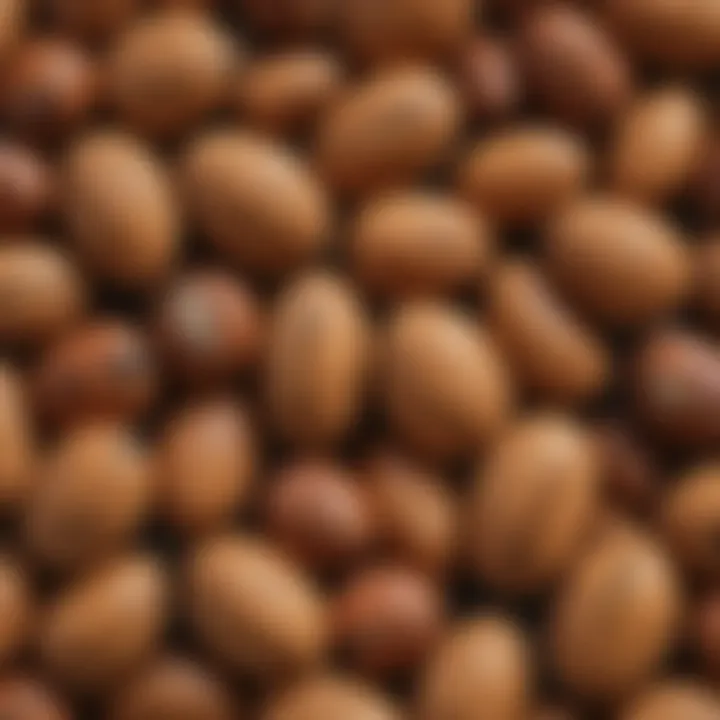
Recognizing and reflecting on the historical context of American evergreen forests reveals how Native peoples coexisted with these ecosystems. Their knowledge often provided the basis for sustainable practices still relevant today.
Research Findings
Current research sheds light on the need for biodiversity and sustainable management. The findings emphasize how specific practices can maintain healthy ecosystems and improve the resilience of these forests against climate changes.
Preface to Pine Nuts
Pine nuts, often overlooked in the vast world of edible seeds and nuts, play a multifaceted role in culinary practices, agriculture, and ecosystem health. This article focuses on the unique characteristics that set pine nuts apart from other tree nuts while exploring their classification, history, nutritional value, and cultural significance. The rich narrative around pine nuts not only enhances our understanding of these seeds but also elevates their status in both culinary and ecological discussions.
Identifying what makes a pine nut distinct delves into its botanical classification. Understanding this distinction is imperative for professionals in forestry and botany, particularly as threads between agricultural practices and nutritional benefits are intricately woven. By piqueing interest in these realms, we lay a foundation for further investigations into preservation methods and sustainable harvesting—an unfortunately neglected area in many narratives surrounding nuts.
"Pine nuts are not just a culinary delight but a vital element of biodiversity that deserves more recognition."
The focus on the history and cultural significance of pine nuts opens the door to anecdotes of indigenous harvesting practices and the intricate ways these seeds have made their mark in global cuisine. These stories are essential to grasping not just the present-day significance but also the deep-seated roots of pine nuts in human culture and ecology.
Defining Pine Nuts
Pine nuts refer specifically to the edible seeds harvested from the pine tree's cones. These seeds, typically small in size and elongated, are commonly found in various dishes, especially in Mediterranean cuisine. Unlike other nuts, which often have tough, outer shells, pine nuts are usually harvested without any shell, making them a convenient and palatable option. There are numerous species of pine trees that produce these seeds, including the Western White Pine, Ponderosa Pine, and Sugar Pine, each contributing unique flavors and textures to the culinary world.
What sets pine nuts apart is not just their taste but also their nutritional composition—they are rich in vitamins, minerals, and healthy fats. Rich in healthy monounsaturated fats, magnesium, and protein, they play a significant role in various dietary regimens and offer multiple health benefits, particularly for heart health.
History and Cultural Significance
The history of pine nuts dates back thousands of years. Native American tribes, particularly in the Western United States, relied heavily on these seeds as a stable food source long before the arrival of European settlers. The harvesting of pine nuts was more than just a means of sustenance; it represented a cultural practice that linked communities to their natural environment. Gathering was often a communal effort, involving skills passed down through generations.
In Mediterranean cultures, pine nuts have found their way into iconic dishes such as pesto and baklava, illustrating their versatility and celebrated status in various cuisines. Furthermore, their role in cultural festivities—symbolizing prosperity and abundance—underlines their continued relevance.
As we traverse the nuances of their classification and impacts, we uncover the threads of history interwoven with modern practices, showcasing how these small seeds carry the weight of rich traditions and ecological significance.
By understanding definitions, historical context, and the culinary landscape that surrounds pine nuts, we can appreciate not just their flavor, but their role as a bridge between culture, health, and sustainable forestry.
Botanical Classification
Botanical classification serves as a fundamental framework for organizing the diverse world of plants, and understanding this topic is crucial for grasping the significance and unique characteristics of pine nuts. By analyzing how pine nuts fit within the broader category of tree nuts, one can appreciate their distinct qualities and nutritional profiles that set them apart from other nut varieties. This classification also aids in discerning the ecological roles these seeds play, pointing to how they might differ in their contributions on environmental scales.
Understanding Tree Nuts
Tree nuts are a specific subset of nuts that develop from the seeds of trees. When considering pine nuts, this classification becomes complex. Unlike many other nuts, which are encased in hard shells, pine nuts come from cones that offer a softer, more accessible seed. This fact laid the scientific groundwork for classifying them yet provides an interesting twist when comparing to other nuts like almonds or walnuts, which are often recognized for their hard outer shells.
Pine nuts, derived particularly from the pine tree's cones, are harvested with greater difficulty due to the nature of their growth cycle, typically being found only in select regions across the globe. In this sense, understanding tree nuts demands a keen appreciation for both the agricultural practices surrounding them and the ecological interactions that allow their growth.
Pine Nuts in the Context of Nut Classification
Examining pine nuts within the context of nut classification reveals both their similarities and differences compared to other nut types.
Comparison with Other Nuts
When discussing the comparison of pine nuts with other nuts, one must consider several metrics. Not only do pine nuts offer a unique buttery flavor that complements both sweet and savory dishes, but their texture sets them apart as well. Unlike the crunchiness of walnuts or the crispness of cashews, pine nuts have a creamy consistency that can enrich a meal, making them a favored choice for cuisine in many cultures.
"Pine nuts are often regarded as a culinary gem due to their versatility and distinctive flavor profile."
Another key characteristic worth noting is their nutritional value. In terms of protein and healthy fats, pine nuts stand tall against competitors like pecans and hazelnuts. However, it is essential to highlight the caloric content, as pine nuts can be more calorie-dense, which might dissuade some from incorporating them as liberally in their diets. However, their high monounsaturated fat content could offset this concern, making them a beneficial choice within moderation.
Species of Pine Trees Producing Nuts
The species of pine trees that yield edible nuts plays a decisive role in determining the quality and flavor of the nuts themselves. Noteworthy among these is the Pinus pinea, or the Italian stone pine, celebrated for its large, oval-shaped seeds, which impart a mild and sweet taste. On the other hand, the seeds from the sugar pine, Pinus lambertiana, tend to be larger but seldom commercially available.
The variety of pine trees producing these nuts introduces a fascinating layer to this classification, as each type carries its distinctive flavor profile influenced by the soil, climate, and regional practices. Furthermore, while the harvesting process remains similar, some species, like the Western white pine, require specific techniques due to their heightened resin content, which can affect the eventual taste.


Understanding these species not only informs on culinary applications but also facilitates conversations about sustainability and conservation, given that certain pine-nut-producing species are under threat due to habitat loss and climate change.
In summary, the botanical classification of pine nuts uncovers a trove of insights regarding their culinary potential and ecological importance. It is through this lens that one can appreciate the intricate relationships between the nuts, the trees producing them, and the ecosystems they inhabit.
Nutritional Insights
Understanding the nutritional aspects of pine nuts is essential for unraveling their significance within a broader dietary framework. These small seeds pack a punch, not just in flavor but also in nutritional value. Their rich composition of healthy fats, vitamins, minerals, and antioxidants makes them a worthy component of various cuisines and health regimes.
Nutritional Composition of Pine Nuts
Pine nuts, derived from various species of pine trees, contain a unique mix of nutrients that can cater to diverse dietary needs. A typical serving of pine nuts, about an ounce or roughly 28 grams, reveals:
- Calories: Roughly 191 calories
- Fats: About 19 grams, primarily unsaturated fats which are heart-healthy
- Proteins: Approximately 4 grams, which contributes to cellular function and muscle repair
- Carbohydrates: Only around 4 grams, making them a low-carb nut option
Moreover, pine nuts are notable for their high content of Vitamin K, magnesium, and zinc. Their rich fat composition primarily consists of monounsaturated fats, which may help reduce bad cholesterol levels. Additionally, they bring a decent amount of fiber, which promotes digestive health and can help one feel fuller for longer.
Health Benefits
Pine nuts are not just a delicious addition to meals; they also boast several health benefits, making them an ideal choice for health-conscious individuals. Let's take a closer look.
Iron and Protein Content
The iron content in pine nuts is critical for forming hemoglobin, the protein in red blood cells that transports oxygen throughout the body. With about 1.1 mg of iron per ounce, pine nuts can be particularly beneficial for those who are iron-deficient, like vegetarians or anyone wanting to enhance their iron intake.
Key Characteristics: Their protein content, although modest, is of high biological value, making it efficient for muscle building and repair. This is especially advantageous for anyone engaged in physical activities.
Unique Feature: The digestibility of proteins from pine nuts is quite high. Unlike some other nuts, where digestion can be impeded by their fibrous texture, the protein in pine nuts is readily available for absorption in the body. Thus, they make a practical, nutritious choice to include in diets that require enhanced protein intake.
Antioxidants in Pine Nuts
Pine nuts also shine with their antioxidant properties, providing a natural defense against oxidative stress. Antioxidants help counteract free radicals, the unstable molecules that can lead to cellular damage and even chronic diseases.
Key Characteristic: Specifically, compounds like lutein and zeaxanthin found in pine nuts contribute to eye health. Research shows that these antioxidants can fortify the retina and other parts of the eye against light-induced damage.
Unique Feature: The synergy between antioxidants and the healthy fats in pine nuts enhances their overall absorption rate in the-body, making their benefits even more pronounced. While some nuts may offer fewer antioxidants, pine nuts stand out by providing a balanced profile of essential nutrients and protective compounds.
Consuming pine nuts not only enriches your diet but also supports your overall health, offering a delightful interplay of flavor and nutrients that few other nuts can match.
In summary, the nutritional insights surrounding pine nuts unveil their potential as a superfood in many regards. Their rich composition of proteins, healthy fats, iron, and antioxidants ensures that these little seeds serve as a valuable supplement to a balanced diet.
Culinary Uses of Pine Nuts
Pine nuts often get overshadowed by their more popular counterparts, like walnuts or almonds, yet their culinary applications are quite remarkable. These small seeds pack a rich, buttery flavor that can elevate dishes ranging from rustic Italian pastas to modern salads. Far beyond mere garnish, pine nuts are integral in various cuisines around the world, known for their versatility and nutritional richness. Understanding how to incorporate them into culinary practices not only enhances flavor but also offers numerous health benefits.
Popular Dishes Incorporating Pine Nuts
Pine nuts have been embraced in numerous traditional and contemporary recipes. Below are some standout dishes that showcase their unique qualities:
- Pesto: This classic Italian sauce is famous for its delightful green color and robust flavor. Made with basil, garlic, olive oil, Parmesan cheese, and, of course, pine nuts, it serves as a perfect dressing for pasta, a spread for bread, or even a topping for grilled chicken.
- Roasted Vegetable Salads: Adding toasted pine nuts to roasted veggies not only brings a satisfying crunch but also presents a contrast to the softer textures of the squash or zucchini. Their nutty flavor pairs excellently with the charred exterior of grilled vegetables.
- Baklava: In this sweet pastry layered with phyllo dough, pine nuts join forces with walnuts and spices. This Middle Eastern dessert balances sweetness and crunch, spotlighting pine nuts as a valuable ingredient.
- Grain Bowls: Increasingly popular in modern diets, these bowls often combine quinoa, farro, or rice with a medley of vegetables, proteins, and, notably, toasted pine nuts.
Thus, whether it’s a topping for salads, a key ingredient in spreads, or the special touch in desserts, the culinary uses of pine nuts are vast and diversified.
Culinary Techniques and Preparation
To get the most out of pine nuts, understanding preparation methods is essential. Here are a few techniques that can maximize flavor and texture:
- Toasting: Toasting pine nuts enhances their flavor profile, bringing out the already nutty undertones. This can be done in a dry skillet over medium heat until golden brown. Be vigilant, though, as they can burn quickly.
- Incorporating in Dishes: When using pine nuts in recipes, consider adding them towards the end of cooking. This method retains their crunchy texture and distinct taste.
- Pairing with Ingredients: Pine nuts complement strong flavors like garlic and cheese. Try combining them with items featuring acidity, such as citrus or balsamic vinegar, to create a well-rounded dish.
- Storing: Proper storage can prolong their freshness. It's best to keep pine nuts in an airtight container in the refrigerator or freezer to maintain their flavor and prevent rancidity.
Ultimately, the culinary magic of pine nuts lies in their adaptability. Their ability to enhance various dishes, when prepared thoughtfully, adds a nuanced layer to any meal.


"Pine nuts, tiny as they are, bring a world of flavor to every dish. Small seeds, big potential!"
In summary, integrating pine nuts into your cooking can lead to deliciously surprising results. Their unique flavor and nutritional benefits offer valuable insights into the world of culinary practices.
Environmental Impact and Sustainability
Understanding the environmental impact and sustainability of pine nut production is vital, not just for the ecosystem but also for the agricultural community and consumers alike. Pine nuts, harvested from specific species like the Western White Pine and Sugar Pine, play a unique role in their ecosystems. They contribute to soil health and provide food for numerous wildlife species. However, the methods of harvesting and managing pine forests can significantly affect these benefits. It is essential to consider how these practices might impact biodiversity, soil quality, and the overall equilibrium of forest habitats. Sustainability isn’t just a buzzword; it’s a necessity if we aim to secure the future of our ecosystems and the resources they provide.
Role of Pine Nuts in Ecosystems
Pine nuts are more than just a culinary delight; they’re a key player in the environment. They serve as a crucial food source for various animals, from squirrels to birds. These creatures not only consume the nuts but also help in the dispersal of pine seeds, promoting new pine growth. This cycle supports not only the individual species involved but enriches biodiversity as a whole.
The presence of healthy pine trees enhances air quality and stabilizes soil, preventing erosion. A rich pine forest can also influence local climates, offering shelter and humidity that benefit both plant and animal life. The nuts form part of what ecologists call a trophic cascade, where the effects of one species ripple throughout the ecosystem. When pine nut production is carefully managed, it can lead to robust habitats that sustain various flora and fauna.
"Healthy ecosystems lead to healthy communities; the role of pine nuts in this balance cannot be overlooked."
Sustainable Harvesting Practices
Sustainable harvesting of pine nuts involves strategic practices that prioritize ecosystem health alongside economic viability. Here are some critical methods to consider:
- Selective Harvesting: Only harvesting mature cones while allowing younger cones to develop ensures that the population of pine trees can regenerate and flourish over time.
- Controlled Timing: Harvesting during specific seasons can minimize disruption to wildlife that rely on these nuts, respecting the natural rhythms of the ecosystem.
- Replanting Efforts: Encouraging replanting of trees in harvested areas is essential for maintaining forest density and health.
- Cooperative Management: Working closely with local communities and indigenous peoples can boost sustainable practices, as these groups often have a deeply rooted understanding of the land.
Adopting these methods does not just safeguard the pine nut crop but also fosters a healthier environment for generations to come. Land management is more than an agricultural concern; it is a commitment to sustaining the earth's resources and respecting the intricate networks that support diverse forms of life.
Pine Nuts vs. Other Nuts
Pine nuts often stand apart in the nut family, offering specific characteristics and unique benefits when compared to other types of nuts. Understanding these differences is important for several reasons, especially for those interested in forestry, botany, and nutrition. Recognizing the distinct traits can aid in making informed dietary choices, enhance culinary experiences, and appreciate the ecological roles pine nuts play. Let's peel back the layers to uncover what sets pine nuts apart from their nutty counterparts.
Distinct Characteristics
Taste and Texture Comparison
When it comes to taste and texture, pine nuts present a sweet, buttery flavor that is often softer than the crunch associated with almonds or walnuts. This mild sweetness makes them an excellent addition to both sweet and savory dishes.
- Key Characteristic: The creamy texture of pine nuts allows them to easily blend into salsas, pestos, and desserts, effectively enhancing the overall flavor profile.
- Benefits: Their subtle flavor means they can complement rather than overpower other ingredients, making them an appealing option for a variety of recipes.
- Unique Feature: Notably, when lightly toasted, they develop a richer, deeper flavor, adding layers to any dish.
- Advantages: This ability to adapt in taste contributes to their popularity, especially among chefs and home cooks.
Nutritional Variances
Nutritionally, pine nuts boast a rich composition that distinguishes them from other nuts. They are particularly high in monounsaturated fats, which can be beneficial for heart health. This is not something that all nuts can claim—while walnuts are also a good source, not all are created equal.
- Key Characteristic: Pine nuts contain substantial amounts of vitamin K, magnesium, and protein, alongside a variety of antioxidants, which play a protective role in the body.
- Benefits: Their unique nutritional profile can support various bodily functions, including promoting healthy skin and improving cardiovascular health.
- Unique Feature: Notably, the pinoleic acid found in pine nuts may even help to curb appetite, making them a worthy addition for those seeking a nutrient-dense snack.
- Advantages: This provides tremendous value for anyone wanting to improve their diet while still enjoying enticing flavors.
Common Misconceptions
Myths about pine nuts often circulate, leading to some confusion. For instance, many may mistakenly believe that pine nuts are simply another name for pine seeds or that they belong to a different botanical classification entirely. However, understanding the truth is essential.
One major misconception is regarding the availability and sourcing of pine nuts. In truth, harvesting them can be quite labor-intensive, contributing to their higher price compared to other nuts. Additionally, concerns are raised about the environmental impact of pine nut harvesting, yet sustainable practices are increasingly being adopted, which help alleviate some of these worries.
It's essential to recognize misconceptions surrounding pine nuts in order to appreciate their value, both in terms of nutrition and culinary versatility.
End
In closing, the examination of pine nuts—ranging from their botanical classification to nutritional insights—underscores their significance in various domains, including forestry and nutrition. This article has illuminated key elements crucial for a deeper understanding of pine nuts, thus emphasizing their unique position in the world of nuts. The confluence of their characteristics and culinary adaptability not only enriches our dining experiences but also ignites discussions on sustainable practices concerning their harvest and consumption.
Recap of Pine Nut Classification
In summary, the classification of pine nuts reveals their distinctiveness among tree nuts. As derived from specific pine trees, these seeds possess unique botanical traits that set them apart. Unlike many nuts that come from broad categories, pine nuts present a fascinating narrative in both their form and function. For example:
- Botanical Classification: Pine nuts belong to the Pinus genus, with various species contributing different flavors and qualities.
- Nutritional Composition: They provide a rich array of vitamins, minerals, and healthy fats, marking a stark contrast to other nuts.
- Culinary Applications: Pine nuts are often used as flavor enhancers in dishes such as pesto and salads, showcasing their versatility.
Future Considerations for Research and Agriculture
Looking forward, the directions for research and agriculture concerning pine nuts are vast. Here are important aspects to consider:
- Sustainable Harvesting: As the demand for pine nuts increases, sustainable practices become crucial to ensure that ecosystems remain unchanged. This calls for research focused on non-destructive harvesting methods.
- Genetic Studies: Investigating the genetic diversity of pine nut-producing species can help in understanding resilience to climate change, pests, and diseases.
- Health Research: More studies on the health benefits of pine nuts will justify their inclusion in dietary recommendations, particularly regarding heart health and weight management.
"The future of pine nuts lies not only in their culinary charm but also in the stewardship of the ecosystems they inhabit."