Examining the Minneapolis Tree Program's Impact


Intro
The Minneapolis Tree Program, a robust initiative within Minnesota's urban landscape, serves as a prime example of how cities can strategically enhance their green canopy. The city’s commitment to urban forestry not only adds aesthetic value but also significantly contributes to improved air quality and biodiversity. In dissecting this program, it’s essential to recognize not just the trees planted but the cultural, environmental, and community dynamics involved. This article aims to paint a poignant picture of these elements, peeling back the layers of history and objectives that underpin this urban greening effort.
Evergreen Trees Species
Types of Evergreen Trees
Evergreen trees play a crucial role in Minneapolis’s urban forestry efforts. Species such as Eastern White Pine, Norway Spruce, and Balsam Fir are commonly found. Understanding the unique characteristics of these trees can help in selecting suitable varieties for urban planting. For instance, the Eastern White Pine is known for its tall, straight trunk, which can grow quite high, offering excellent shade but requires ample space. Meanwhile, the Norway Spruce, with its dense branches, makes it a popular choice for providing shelter for local wildlife.
Ecological Significance
The ecological benefits of evergreens are manifold. They not only provide habitat and food for an assortment of wildlife but also play an essential role in carbon capture, contributing to climate change mitigation. Dense foliage helps in soil retention, reducing erosion, and maintaining water quality in urban watersheds.
"Evergreens are like nature’s air purifiers; they absorb carbon dioxide and exhale oxygen, which is vital for urban health."
Conservation Practices
Conservation sparking interest revolves around ensuring the longevity of these evergreen species. Urban planting programs often emphasize the adoption of techniques such as appropriate mulching, strategic pruning, and regular watering schedules. Furthermore, initiatives can involve partnerships with local schools and organizations to educate the community on sustainable practices that help protect and preserve these vital trees.
Forest Management Techniques
Wildlife Habitat Preservation
Maintaining biodiversity isn't just a lofty goal in the Minneapolis Tree Program; it’s a necessity. Strategies that include planting native evergreen species and creating connected green spaces help preserve habitats crucial for urban wildlife. Community engagement efforts, like clean-up days and educational programs, foster a culture of care and awareness among residents.
Sustainable Logging Practices
Although logging may not seem directly related to an urban initiative, the principles of sustainable forestry can be applied. Responsible harvesting methods, such as selective cutting, minimize the impact on forests while still allowing for timber production. This balance is crucial for sustaining both local economies and the health of forests.
Fire Prevention Measures
In a city such as Minneapolis, which experiences a range of weather patterns, effective fire prevention is critical. Implementing strategies such as creating firebreaks and maintaining low vegetation around urban forests can significantly reduce risks. Furthermore, community training programs for fire prevention can bolster local preparedness.
Ecosystem Restoration Initiatives
Restoration projects aimed at degraded lands involve more than just planting trees. They require a comprehensive approach to restore ecosystems. This involves analyzing soil conditions, planting native flora, and engaging with local residents to raise awareness about native habitats and overall ecosystem health.
Climate Change Impact on Evergreen Forests
Carbon Sequestration
Addressing climate change cannot be overstated. Evergreen forests act as significant carbon sinks, absorbing CO2 from the atmosphere. As urban planners strategize for the future, integrating more evergreen plantings into the city’s landscape could provide a direct avenue for mitigating urban carbon footprints.
Weather Pattern Effects
Shifting climate patterns have direct implications for tree health and growth. Increased temperatures, changing precipitation patterns, and even invasive pests threaten existing flora. The Minneapolis Tree Program must remain nimble, adapting to these changes to ensure the resilience of its forestry efforts.
Biodiversity Support
As climate change continues to play a role in shifting habitats, the importance of evergreens in preserving biodiversity grows. These trees provide shelter and food for myriad species. Monitoring the local fauna and adjusting planting strategies accordingly can help support the delicate balance within urban ecosystems.
Localized Effects
Communities closely linked to these evergreen forests will notice distinct impacts as climate continues to evolve. Changes in tree health, growth patterns, and biodiversity can influence not just the ecosystem but also resident experiences. Engaging local communities in observation and data collection can help inform adaptive management.
Management and Preservation of Evergreen Forests
Historical Context
Understanding the historical significance of evergreen forests in America provides a foundation for modern management practices. Traditionally, many Native American tribes relied on these forests for food, shelter, and cultural practices. Recognizing these relationships can enrich current forestry strategies and community engagement.
Research Findings
Cutting-edge research has revealed insights into how diverse planting enhances resilience among evergreen forests. Studies suggest that integrating various species can mitigate disease outbreaks and improve overall forest health. Academic cooperation and sharing of findings can guide future tree selection and management strategies in Minneapolis.
Conservation Efforts Showcase
Some ongoing initiatives showcase the robust efforts to protect evergreen landscapes. Programs that focus on expanding existing urban forests, promoting biodiversity, and supporting community-led conservation efforts have started to take root. Celebrating these successes encourages broader community involvement and raises awareness of the importance of stewardship.
Outdoor Activities in Evergreen Forests
Hiking Trails Exploration
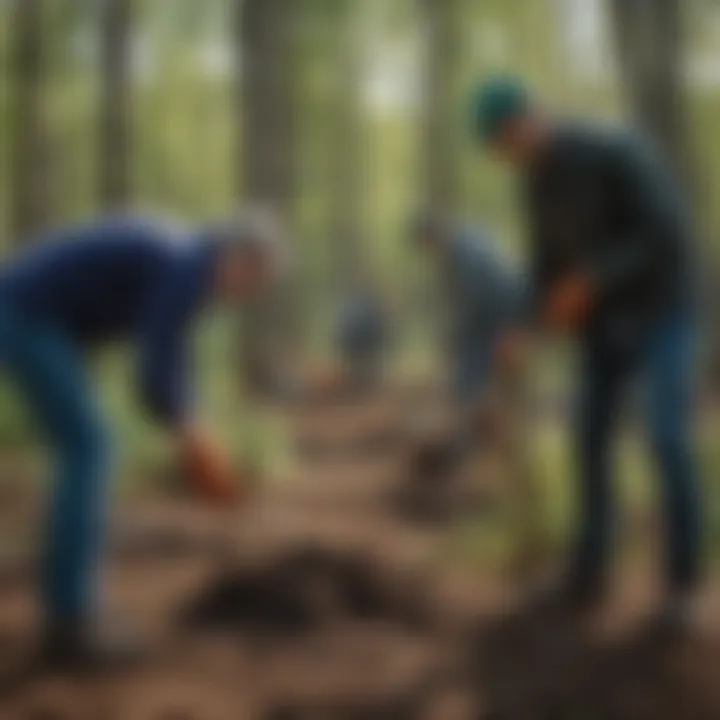
Minneapolis boasts several trails that wind through vibrant evergreen landscapes. Serene pathways allow individuals to disconnect from urban life while immersing themselves in nature.
Camping Destinations
For those looking to extend their nature experiences, the evergreen forests around the Twin Cities present excellent camping opportunities. Setting up camp beneath the stars surrounded by towering trees can be a rejuvenating experience for many.
Nature Photography Opportunities
The beauty found in these green spaces is irresistible for nature photographers. Opportunities to capture the stunning contrast of lush green trees against Minnesota’s changing seasons abound.
Birdwatching Enthusiasts
Evergreen forests also provide prime habitat for various bird species. Birdwatching activities can thrive here, allowing enthusiasts to observe colorful species that typically dwell in such rich ecosystems.
Through this examination, the Minneapolis Tree Program stands as a model for cities aiming to improve sustainability through strategic urban forestry. As challenges unfold, continual adaptation remains key in enhancing both forest health and urban life.
Preamble to the Minneapolis Tree Program
The Minneapolis Tree Program stands as a testament to the city’s commitment towards building a greener, healthier urban environment. Through thoughtful planning and execution, this initiative has evolved over the years, ensuring that trees are not merely an aesthetic addition to the landscape, but integral components that provide numerous benefits. This article aims to dissect the layers of the program, offering insights that resonate with forestry professionals, academics, and anyone interested in sustainable urban living.
Historical Context
To appreciate the significance of the Minneapolis Tree Program, one must first understand its historical backdrop. The program traces its inception back to the early years of the 20th century, when urban sprawl began taking center stage. Initially, the focus was primarily on beautification. However, as environmental consciousness grew, stakeholders recognized the broader implications trees have on urban ecosystems. The Great Depression brought hard choices in resource allocation, but it also sparked community involvement in maintaining green spaces. Over the decades, policy shifts and climate awareness shaped the tree program, pushing it toward more focused biodiversity efforts and sustainability objectives. Notably, the era of the 2000s witnessed a renewed vigor, with technological advancements allowing better tracking of tree health and urban canopy coverage, paving the way for improved management practices.
Program Objectives
At its core, the Minneapolis Tree Program aims to enhance the urban forest cover, which translates to a myriad of objectives. The first objective is biodiversity improvement. By selecting a variety of tree species that cater to local conditions, the program seeks to create a resilient urban forest that can withstand pests and climate fluctuations.
Another key goal is to improve air quality. Urban areas are often plagued by pollution, and trees are nature’s air filters. They absorb pollutants and produce oxygen, making efforts in tree planting crucial for public health.
Moreover, the program focuses on community education and engagement. By involving residents directly in tree-planting initiatives, the program not only fosters a sense of ownership but also enhances community stewardship of green spaces. Furthermore, there is an emphasis on sustainability. By promoting native trees, which are well adapted to local ecosystems, the program contributes to creating a sustainable environment that can flourish without excessive resource input.
In summary, the Minneapolis Tree Program doesn’t just strive to plant trees; it orchestrates a harmonious blend of objectives that intertwine ecological restoration, social responsibility, and educational outreach, setting a benchmark for urban forestry initiatives elsewhere.
The Role of Urban Forestry
Urban forestry serves as the backbone of city ecosystems, intertwining the natural landscape with urban development. The Minneapolis Tree Program exemplifies the essential function urban forestry plays in fostering ecological balance, community well-being, and economic vigor. By implementing strategic tree planting and maintenance efforts, cities like Minneapolis gain invaluable benefits that contribute to overall sustainability.
Ecological Benefits
Urban forests are a treasure trove of ecological benefits. With trees acting as the city's lungs, they play a crucial role in enhancing biodiversity, purifying the air, and managing stormwater.
Carbon Sequestration
Carbon sequestration is one of the standout features of urban forestry. Essentially, trees absorb carbon dioxide, a major greenhouse gas, during photosynthesis and store carbon in their biomass. This process significantly contributes to mitigating climate change—a pressing issue for urban areas where industrial emissions often abound. By choosing the right species that thrive in Minneapolis's climate, the program can bolster these carbon-storing capabilities. However, it’s key to remember that the effectiveness of carbon sequestration hinges on proper maintenance and care for the trees, as neglected or dying trees do not have the same capacity to store carbon.
Air Quality Improvement
The air quality improvement aspect of urban forestry cannot be overstated. Trees filter pollutants from the air, including harmful substances like sulfur dioxide, nitrogen oxides, and particulate matter. In a bustling city like Minneapolis, where vehicle emissions can deteriorate air quality, trees serve as natural air cleansers. The unique feature here is that their leaf structure allows for the trapping of dust and particulate matter. Moreover, the presence of trees has been linked to lower incidences of respiratory issues in urban neighborhoods, thus highlighting their role as public health contributors. But, the challenge lies in ensuring a diverse mix of tree species to maximize these benefits.
Stormwater Management
Stormwater management is another critical advantage provided by urban trees. They intercept rainfall through their leaves and branches, which helps reduce runoff and the risk of flooding. Trees promote water infiltration into the soil, allowing for better localized water management. In snowy Minneapolis, this can be particularly beneficial, as it helps mitigate the effects of melting snow in spring. Proper planning in the selection of tree species can further enhance these capabilities, as different species have varying root structures and water absorption qualities. However, there is an inherent challenge in managing the soil health and tree placement to optimize their effectiveness.
Social Benefits
Aside from ecological gains, urban forestry brings considerable social advantages, enriching the community and enhancing public welfare.
Enhancing Community Aesthetics
When communities are graced with trees, the aesthetics naturally improve. Green spaces contribute to a more pleasant environment, leading to higher foot traffic and increased engagement among residents. The visuals of tree-lined streets foster a sense of pride in neighborhoods. This can even attract businesses looking for appealing locations, thereby enhancing community vibrancy. On the flip side, achieving this requires careful planning and ongoing maintenance to ensure the long-term health of these trees.
Providing Recreational Spaces
Trees also play a vital role in creating recreational spaces. Parks adorned with trees offer residents a refuge from the urban rush, providing places for gathering, exercise, and leisure. These spaces encourage social interaction and community bonding, making them critical in urban planning. However, the challenge is in balancing the demand for these green spaces with the competing interests of urban development.
Fostering Community Engagement
The sense of community is greatly bolstered through urban forestry initiatives. Programs that encourage local volunteer involvement in tree planting and maintenance create bonds among residents. Community engagement is not merely about participation; it instills a sense of ownership and responsibility towards the urban environment. Yet, maintaining interest and participation over time can be difficult.
Economic Advantages
Urban forestry is not just an aesthetic or ecological endeavor—it also has notable economic implications.


Increased Property Values
One of the primary economic advantages is the enhancement of property values. Properties near green spaces or with mature trees often command higher market prices. Buyers frequently prefer homes with attractive landscaping, which can lead to increased revenue for municipalities through property taxes. While this can benefit homeowners, it poses an issue of equity, as not all neighborhoods enjoy the same access to trees.
Cost Savings on Energy
Trees also contribute to energy conservation. They provide shade during hot summer months, helping to cool homes and consequently lowering air conditioning costs. This benefit extends throughout the year, influencing heating demands in winter through strategic windbreaks. The cities implementing these programs can see significant long-term savings in energy costs; however, the initial funding for planting can be a barrier.
Job Creation in Arboriculture
With a growing emphasis on urban forestry, job creation in the Arboriculture sector becomes apparent. From planning and planting to ongoing maintenance, many jobs can arise from these initiatives. This contributes not only to economic growth but also to skill development within the community. Nonetheless, the challenge remains in providing adequate training and support for these emerging jobs.
To sum it up, urban forestry in Minneapolis is a comprehensive approach that integrates environmental, social, and economic benefits, creating a thriving urban fabric that can stand the test of time.
Tree Selection and Diversity
Tree selection and diversity highlight the cornerstone of any successful urban forestry initiative, including Minneapolis’s approach. As cities become more densely populated, the choice and variety of trees within urban environments become critical for fostering ecological balance, aesthetic appeal, and community well-being. A well-curated tree canopy not only enhances the visual landscape but also provides vast environmental benefits, making the understanding of tree selection and diversity essential for any meaningful assessment of urban greening efforts.
Importance of Native Species
In the context of the Minneapolis Tree Program, native species take center stage for several compelling reasons. Native trees, adapted to the local climatic and soil conditions, are inherently more resilient to pests and diseases. This natural resilience reduces the need for chemical treatments, thereby promoting a healthier urban ecosystem.
Apart from ecological advantages, native species often provide essential habitats for local wildlife, supporting biodiversity. For instance, trees like the Bur Oak, native to Minnesota, not only survive harsh winters but also create a vital habitat for various bird species.
Furthermore, native trees typically have deeper root systems, which enhances soil stability and water retention, crucial for stormwater management—an ongoing concern in urban areas. Choosing native species, therefore, is a vital aspect of the tree selection process, aimed at building a sustainable urban forest that can withstand the challenges posed by climate change and urbanization.
Balancing Species Diversity
While native trees play an indispensable role, maintaining a balance of species diversity within the urban canopy is equally important. A monoculture—a planting of a single species—may lead to vulnerabilities. If a pest or disease targets that species, the entire urban canopy could suffer. For example, while the Ash tree was once highly favored, the introduction of the Emerald Ash Borer has led to the decimation of many Ash populations, underscoring the risks involved in planting just one type of tree in large numbers.
The benefits of diverse tree planting are manifold. A varied selection not only improves the resilience of green spaces but also enhances the aesthetic diversity, offering varying colors, textures, and seasonal changes. Moreover, it supports a wider range of wildlife, thus enriching the ecosystem.
To achieve this balance, the Minneapolis Tree Program employs a strategy that includes rotating species based on specific community needs, local adaptability, and environmental considerations. Factors such as growth rates, potential size, and shade coverage are crucial in these decisions.
Community Involvement
Community involvement plays a crucial role in the Minneapolis Tree Program. It bridges the gap between the city’s forestry initiatives and the residents, fostering a sense of ownership and responsibility toward urban greenery. When citizens are actively engaged, it can lead to more impactful outcomes, both for the trees and the community as a whole. Besides simply planting trees, community involvement nurtures relationships, educates residents, and builds a collective understanding of the importance of a healthy urban forest.
Volunteer Programs
Volunteer programs under the Minneapolis Tree Program serve as a backbone of community engagement. These programs offer residents an opportunity to roll up their sleeves and get involved in practical tree care. Activities like tree planting, tree watering, and composting not only enhance the urban landscape but also cultivate a spirit of cooperation among neighbors.
Participants often find that they are not just nurturing the trees but also forging bonds with other environmental enthusiasts. This camaraderie creates a vibrant network of citizens who are committed to the health of their local environment. Moreover, providing volunteer opportunities allows the program to expand its reach and effectiveness without solely relying on city funding.
Educational Outreach
Workshops and Events
Workshops and events are a significant part of the educational outreach initiatives connected to the Minneapolis Tree Program. These gatherings are designed to inform and empower community members with knowledge about trees and urban forestry practices. By focusing on practical skills, these events teach participants about tree selection, proper planting techniques, and tree maintenance.
One key characteristic of workshops is their hands-on approach. Attendees often engage in interactive demonstrations, which can make the experience more memorable and effective. This type of learning not only enriches the participants but also strengthens the connection between the community and their green spaces. Consequently, workshops and events have become a popular choice for those eager to gain insights and make lasting contributions to their neighborhoods.
The unique feature here is the open dialogue encouraged during workshops. Participants are free to ask questions, share their experiences, and discuss challenges they face in relation to tree care. This leads to enhanced communal learning and builds a repository of local knowledge that complements professional advice.
School Programs
School programs represent another avenue through which the Minneapolis Tree Program engages the community. Designed for students, these initiatives aim to instill an early appreciation for nature and environmental stewardship. By incorporating nature-based education in schools, programs help children understand the significance of trees in their urban environment.
An essential aspect of school programs is their interactive curriculum. The approach often includes field trips, hands-on activities, and sustainability projects that resonate with students. This blend of education and fun makes it a beneficial choice for schools, shaping young minds and ensuring that future generations recognize the value of trees.
The unique advantage of school programs is the ability to reach young audiences while simultaneously involving their families. As children participate in tree-related activities, they often bring their learnings home, effectively expanding the program's impact beyond classroom walls.
In summary, community involvement through volunteer programs and educational outreach, including workshops and school initiatives, enriches the Minneapolis Tree Program. It empowers residents, enhances awareness, and ultimately contributes to a more robust and healthful urban forestry landscape.
Challenges Facing the Program
The challenges that the Minneapolis Tree Program faces are not just bumps in the road; they are critical considerations that shape the program's viability and success. Understanding these hurdles is paramount for ensuring effective urban forestry practices in a city that is grappling with various socio-environmental stresses. By addressing funding constraints, the repercussions of climate change, and the necessity for robust public awareness and engagement, we can appreciate the multifaceted nature of the program's mission.
Funding and Resources
Securing funding for urban forestry initiatives has always been a daunting task, and the Minneapolis Tree Program is no exception. As budgets tighten in many municipalities, resources for tree planting, maintenance, and educational outreach can be sorely lacking. This makes the ability to snag grants, form partnerships, and leverage community contributions essential.
Moreover, when discussing funding, it's vital to consider the following points:


- Sustaining Operational Costs: The maintenance of existing trees adds layers to financial strains. Regular pruning, pest management, and health assessments require consistent funding.
- Grant Opportunities: There are various local and national programs available for tree initiatives, yet competition can be fierce and availability limited.
- Community Involvement: Local businesses can make a world of difference through sponsorships or donations, but creating that synergy involves investment in community relations.
Climate Change Impacts
The specter of climate change looms large over urban forestry efforts, including the Minneapolis Tree Program. Increasingly erratic weather patterns and rising temperatures not only challenge species selection but also compromise tree health. Adapting practices according to climate realities is essential. Here are a few pertinent aspects regarding these impacts:
- Species Suitability: A once-reliable canopy species may become less viable, prompting the need for ongoing assessments and potential replanting.
- Extreme Weather Events: Trees are at greater risk due to storms, heavy snowfall, or droughts. An effective response plan is crucial for minimizing damage.
- Shifting Ecosystems: Biodiversity pressures are real. As habitats change, tree species that were previously thriving might falter, demanding flexible intervention strategies.
Public Awareness and Engagement
It's one thing to have a tree program, and it's another to have informed and aware public support. Public engagement is the beating heart of community forestry initiatives. If people don't realize the value of urban trees, how can they rally behind the program?
- Educational Campaigns: Outreach through social media, community workshops, and local events can be instrumental in changing perceptions. Knowledge empowers people to advocate for trees.
- Volunteer Opportunities: Engaging neighborhoods directly in planting and maintenance fosters a sense of ownership, encouraging residents to care and contribute.
- Feedback Mechanisms: Creating forums where the community can voice their opinions or suggestions about the program opens pathways for improvement and builds a sense of attachment.
"Community involvement isn't just a nice-to-have; it's a must-have for urban forestry efforts to thrive. Without it, the program faces wild winds of disinterest that can uproot its potential."
Monitoring and Evaluation
Monitoring and evaluation play a pivotal role in determining the success and efficiency of any urban forestry program, including the Minneapolis Tree Program. This facet isn’t just a bureaucratic formality; it serves as the backbone for understanding how the initiatives are performing in real-time. Through effective monitoring, stakeholders can gather critical insights, tweak strategies, and ultimately ensure sustainable practices are being utilized.
One key outcome of robust monitoring is the ability to track tree growth and survival rates over time. This data is invaluable in understanding which species thrive in Minneapolis’s unique urban environment, thereby guiding future planting initiatives. Moreover, regular assessments can unveil patterns regarding tree health, alerting the community to pest infestations or diseases that may pose a threat to urban canopies. Identifying these issues early can save costs in the long run and can also promote quicker interventions before they escalate.
"Data collection isn't just numbers on a page; it's the pulse of our urban forest, guiding decisions and shaping strategies."
Involving the community in monitoring enhances local engagement, allowing residents to become stewards of the trees. When citizens feel a sense of ownership over their greenery, the trees often flourish, and complaints about urban forestry become less about aesthetics and more about fostering a collective responsibility.
Data Collection Techniques
The Minneapolis Tree Program employs a variety of data collection techniques to ensure a comprehensive understanding of urban forestry needs. These techniques range from high-tech tools to simple community-driven methods. Each approach contributes uniquely to capturing the intricacies of the urban forest landscape.
- Remote Sensing: Using aerial imagery and ground-based LIDAR systems, the program can map out tree locations and monitor canopy cover effectively. This method allows for large-scale data collection while minimizing manual labor.
- Tree Inventory Surveys: Ground-level assessments involve recording details such as species, diameter at breast height (DBH), and condition status. This hands-on approach often utilizes volunteers and local residents, encouraging participation and education.
- Citizen Science Initiatives: Engaging the public to input data via mobile applications can provide real-time updates on tree health, locations of new plantings, and any challenges faced. This fosters an inclusive community atmosphere, leading to richer data and enhanced teamwork.
These techniques are vital not only for gathering data but also for ensuring that the information is accurate, timely, and useful. In an ever-changing urban landscape, a variety of methods ensures that valuable data is never missed.
Assessing Program Impact
Assessing the impact of the Minneapolis Tree Program involves analyzing both qualitative and quantitative data to paint a clear picture of the program's influence on the urban environment. Evaluating success goes beyond tree counts; it delves into how well these trees are contributing to improved air quality, reduced urban heat, and even enhanced community satisfaction.
The program gathers metrics such as:
- Tree Canopy Coverage: Regular assessments of tree canopy can indicate progress toward urban greening goals. Increases in canopy cover correlate to better air quality and increased biodiversity.
- Biodiversity Measures: Observing the variety of species and their health helps understand ecological contributions and resilience against pests or climate shifts. Diverse tree populations create a robust urban ecosystem, supporting wildlife and plant life alike.
- Community Surveys: Gathering feedback from residents provides insights into the social impact of the program. Do people feel more connected to their neighborhoods? Are there increases in local recreational activities due to green spaces? Feedback can lead to tangible changes in strategy moving forward.
The integration of such varied assessments allows the Minneapolis Tree Program to remain dynamic, attentive to changes and challenges, and ultimately focused on achieving long-term sustainability in urban forestry. By establishing a solid monitoring and evaluation framework, the program can not only celebrate its successes but also learn from missteps, shaping a greener future.
Future Directions for the Minneapolis Tree Program
As cities evolve and urban landscapes change, it becomes crucial for initiatives like the Minneapolis Tree Program to evolve as well. The upcoming directions of this program not only underline its adaptability to modern urban demands but also solidify its role in promoting sustainability and ecological balance within the city. Focusing on specific elements is essential, as this future trajectory will dictate the program's long-term success and its impact on community well-being.
Adapting to Urbanization
Urbanization is a double-edged sword—it offers growth but also presents significant challenges, particularly for green spaces. In Minneapolis, the increasing buildup of infrastructure and housing places stress on existing urban forests. Therefore, the significance of adapting to urbanization cannot be overlooked. By recognizing these shifts, the Tree Program can implement strategies that protect and enhance tree canopy coverage amidst development.
- Smart Planting Initiatives: Certain tree species are better suited to withstand the urban heat island effect or soil compaction. Future strategies should focus on selecting species that thrive in these conditions. Additionally, community-centric planting events can help engage residents while restoring greenery lost to construction.
- Integrated Land Use Planning: Collaboration with urban planners is essential. This ensures that tree canopies are integrated into future housing developments and commercial projects. By working together at the design phase, planners can strategically position trees to maximize cooling and aesthetic appeal while minimizing disruption.
- Regular Assessments: Ongoing evaluations of tree health and structure can help the program adjust its planting and maintenance strategies in real time, ensuring that trees remain viable as their environment changes.
Innovative Approaches to Urban Greening
The Minneapolis Tree Program must embrace innovative approaches to advance urban greening. Keeping pace with evolving practices will not only improve its efficacy but also build community engagement and public awareness. Here are a few cutting-edge strategies to consider:
- Use of Technology: Utilizing tools such as drone surveys or tree health monitoring sensors can provide invaluable data. This technology allows arborists to assess tree health without invasive procedures, thus preserving vitality while improving care efficiency.
- Green Infrastructure: Implementation of green roofs, bio-swales, and permeable pavements are avenues worth exploring. These methods not only support tree growth and health but also improve stormwater management through effective natural filtration systems.
- Community Workshops and Art Integration: Educating local residents on the importance of trees through workshops can foster a sense of ownership. Incorporating art into urban greening efforts, like tree murals or eco-friendly installations, can also strengthen community ties while beautifying the city.
"The greeening of urban spaces fosters not just an aesthetic, but also a genuine connection between people and their environment, enhancing both quality of life and local ecosystems."
Finale
The examination of the Minneapolis Tree Program reveals not just a commitment to greening the urban landscape but also highlights a multifaceted approach to sustainability. In this article, we delved into how the program blends historical context with forward-thinking initiatives aimed at urban ecological health. The importance of this program can be seen in several key areas:
Summary of Impact
The Minneapolis Tree Program stands as a testament to the symbiotic relationship between urban environments and natural ecosystems. By prioritizing the planting and preserving of trees, the program effectively:
- Enhances biodiversity: Diverse plant life supports a range of species, from pollinators to birds, all contributing to a balanced ecosystem.
- Improves air quality: Trees absorb pollutants and greenhouse gases, providing cleaner air for residents, a benefit often taken for granted.
- Increases community involvement: By engaging citizens in volunteer efforts, the program fosters a sense of ownership and pride in their environment.
- Boosts economic outcomes: Properly tended green spaces bolster property values while lowering energy costs due to natural cooling effects.
These impacts collectively underscore how urban forestry initiatives are not just about aesthetics. They are vital for public health, environmental resilience, and economic vitality.
Call to Action for Stakeholders
For the Minneapolis Tree Program to continue flourishing, it requires active participation from various stakeholders:
- Local Government: Needs to ensure adequate funding and policy support for urban forestry initiatives. Long-term planning is crucial for the sustainability of the program.
- Community Members: Getting involved in volunteer programs can drastically improve the local landscape. Every hand helps, and collective action amplifies the program's overall impact.
- Educational Institutions: Schools can integrate forestry education into their curriculum, fostering a new generation that values and understands the importance of urban trees.
By addressing these areas, stakeholders can contribute to the program’s success and ensure that Minneapolis remains a green and vibrant city. Each person has a role to play; as the saying goes, "Many hands make light work." The health of urban forests reflects the dedication of the community, and fostering collaboration is key to a successful, sustainable future.


Immersive Intermountain Touring: A Comprehensive Journey Through the American West's Adventure Haven