
Discover Michigan's Horse Trails: A Detailed Guide

Intro
Michigan's landscapes are a tapestry of enchanting trails that beckon not just human explorers but also the majestic horses that traverse them. Horse trails here stretch through an array of environments—dense forests, rolling hills, and pastoral settings mark the journey of countless adventurers. This article will navigate through the exceptional horse trails scattered across Michigan, shedding light on key routes that have become favorites among enthusiasts.
It’s worth noting that exploring these trails is more than a recreational pastime; it offers a unique blend of adventure and a chance to connect with nature. From understanding the environmental significance of these routes to the ways horse riding impacts the surroundings, we aim to paint a comprehensive picture of equestrian experiences in Michigan.
Those who venture into these trails often develop a greater appreciation for the diverse ecosystems they encounter. The trails not only offer moments of thrill but also harbor the rich flora and fauna that call Michigan home. Let's gallop into the heart of this guide, shedding light on noteworthy trails while embracing both their beauty and ecological importance.
Prolusion to Horse Trails in Michigan
Horse trails in Michigan are not just paths carved through verdant landscapes; they are gateways to adventure, relaxation, and a communion with nature that many enthusiasts find indispensable. The state’s commitment to preserving these routes stems from a growing recognition of their role in promoting a healthy lifestyle, environmental stewardship, and community engagement. This article delves into the multifaceted world of equestrian trails in Michigan, showcasing their significance both for outdoor recreation and the environment.
The Popularity of Equestrian Activities
There’s a palpable enthusiasm for equestrian activities among Michiganders and visitors alike. Riding trails have become a beloved pastime, akin to a local ritual where families and friends gather to share unique moments in nature. Whether it's a gentle trot through pine-scented forests or a spirited gallop across open fields, horse lovers find solace and thrill riding across the state's expansive network of trails.
Aside from recreation, horseback riding fosters a deep connection to the land. Riders often share their experiences through social media, boosting the visibility of these trails while encouraging more people to engage in outdoor pursuits. As a result, community groups and local organizations frequently come together to promote horses' benefits, organizing events and training to help riders of all skills.
Tourism and Economic Impact
Michigan’s horse trails play a significant role in boosting local economies. Towns near popular riding spots experience upticks in tourism as horse owners travel to experience the verdant scenery and rugged terrains the state offers. Local businesses, such as stables, shops, and eateries, directly benefit from this influx of visitors seeking to enjoy equestrian activities.
- Local Economy Contribution: Horse-related tourism has been shown to create jobs, with local festivals celebrating equestrian culture drawing in crowds and promoting regional craftsmanship.
- Investment in Infrastructure: Additionally, as more people flock to ride, there's a push for better trail maintenance and facilities, ensuring that horse trails remain accessible and safe.
The infusion of tourism dollars helps fund conservation initiatives as well, creating a virtuous cycle that not only supports local economies but also promotes the preservation of Michigan’s natural landscapes.
"Equestrian activities not only enhance well-being but also contribute significantly to the economic infrastructure of rural Michigan."
Overall, the increase in equestrian activities and the growth of horse trails reflect broader trends in outdoor recreation, indicating a collective desire to reconnect with nature and promote sustainable tourism. Through this exploration, readers will appreciate how these trails enrich experiences while also fostering a sense of responsibility towards conservation.
Notable Horse Trails in Michigan
When it comes to horseback riding in Michigan, notable trails take center stage, showcasing the state's diverse geography and rich natural beauty. Each of these pathways offers not only the thrill of adventure but also a chance to connect with nature. Knowing about these trails can guide riders—whether seasoned or novices—toward memorable experiences. Understanding what's offered in Michigan is crucial for equestrians, as it points to important considerations regarding safety, trail upkeep, and ecological awareness.
The North Country Trail
The North Country Trail is indeed one of the crown jewels of Michigan's equestrian trails. Stretching over 4,600 miles across seven states, this trail meanders through some of the most scenic vistas in Michigan. Within Michigan alone, it covers more than 1,100 miles. For equestrian riders, this trail provides an exciting mix of challenging terrains and stunning landscapes that can elevate any ride. Hikers, bikers, and horseback riders all share this beloved trail, creating a sense of community among outdoor enthusiasts.
Riders will find sections offering soft pine needle beds and shaded woods, punctuated by open grasslands. Considering its length and variety, riders can choose distances that align with their experience, making it perfect for both beginners and veterans. Important to note, during certain parts of the year, the trail becomes home to migratory birds, presenting additional opportunities for wildlife observation during rides.
Hartwick Pines State Park Trails
Hartwick Pines State Park offers a network of equestrian trails nestled amidst ancient pine trees and vibrant wildfire areas. This park is a living testament to the past, featuring some of the last remaining stands of old-growth forest in Michigan. Riders here enjoy trails that weave through impressive landscapes, making it a favored spot for many horse lovers.
The trails cater to a variety of skill levels, ensuring that everyone can find a suitable path. Riders typically appreciate the well-marked trails, leading through enchanting scenery. Additionally, the park itself has facilities for parking and rest stops, making it convenient for day-long adventures. For visitors focused on conservation, this location also presents educational opportunities regarding forest preservation.
Newaygo State Park
Newaygo State Park boasts a collection of well-maintained equestrian trails that meander alongside the scenic Muskegon River. These trails serve as a perfect escape for riders wanting to immerse themselves in the lush beauty of Michigan's woodlands. The cool breeze off the water often enhances the riding experience, providing a refreshing atmosphere.
Unique features of Newaygo include its variety of terrains, such as broad trails that are perfect for trotting and narrower paths for a bit of challenge. The park is also home to diverse wildlife, offering riders a chance to witness Michigan's natural fauna up close. Seasonal changes paint the landscape differently throughout the year, creating endless opportunities for exploration and recreation.
Pigeon River State Forest
Pigeon River State Forest is not just a preferred spot for horse riders; it's a sanctuary for those who love the great outdoors. Aptly known as the "Crown Jewel of Michigan's State Forests," this area spans over 70,000 acres and presents a myriad of equestrian trails. From winding paths along robust riverbanks to wide-open meadows, the vibrant landscapes captivate riders looking for an unforgettable experience.
Safety is important here, as the trails are known to be used by various outdoor enthusiasts, including hikers and bikers. Riders are encouraged to remain alert and practice good trail etiquette. Alongside the thrill of riding, Pigeon River offers ample opportunities for observing wildlife, particularly in the tranquil early mornings or dusky evenings.
In summary, each of these notable trails in Michigan holds its own charm and unique characteristics. Understanding these different trails can aid in discovering the right fit, ensuring that every ride is not just about the destination, but the journey that unfolds along the way.
Ecological Significance of Horse Trails
Horse trails play an essential role in the natural landscapes they traverse, providing not only recreational opportunities but also significant ecological benefits. As riders journey through Michigan’s diverse ecosystems, they inadvertently contribute to both biodiversity and habitat protection. Understanding these elements is crucial for anyone engaged in equestrian activities, as they highlight the balance between enjoying the outdoors and preserving its integrity.
Biodiversity Conservation
Biodiversity is the foundation of a healthy ecosystem, and horse trails can support this diversity in various ways. First, they create corridors that facilitate the movement of different species, allowing animals to migrate and adapt in response to environmental changes. These trails can also help maintain genetic diversity as they connect different habitats, fostering interbreeding among populations that might otherwise remain isolated.
Moreover, many trails traverse through areas rich in native flora and fauna, which can influence local wildlife. For instance, the trails at Hartwick Pines State Park not only provide riding opportunities but also function as pathways for deer, birds, and small mammals, supporting their journeys through the forest.
Furthermore, managed trails can bring awareness to the surroundings. Riders who appreciate the nature around them often become stewards of the land, advocating for conservation efforts and participating in local initiatives aimed at preserving the unique ecosystems they explore.
Habitat Protection
In addition to promoting biodiversity, horse trails also play a significant role in habitat protection. Well-planned trails are designed to minimize disruption to sensitive areas, steering riders away from crucial nesting sites or endangered plant species. This careful management helps to safeguard habitats that are vital for maintaining ecological balance.
There are also positive economic aspects tied to well-preserved trails. Communities often rely on tourism driven by equestrian activities, funneling resources back into local conservation efforts. For example, the income generated from horseback riding can support habitat restoration projects or maintenance of local parks, ensuring that the landscape remains intact for future generations.
"Equestrian activities, when aligned with ecological preservation, can result in a unique synergy that benefits both riders and the environment."
Encouraging responsible riding practices, such as avoiding wet or fragile areas during certain seasons, further ensures that habitats remain protected. Education programs for riders about the local ecosystems can also foster respect and understanding for the areas being explored, making a case for stronger advocacy for natural spaces.
Trail Accessibility and Conditions
Understanding the accessibility and conditions of horse trails is essential for those who cherish equestrian activities. Conditions affect not only the enjoyment of riders but also the safety and environmental impact of these recreational spaces. When planning a ride, knowing which trails accommodate various skill levels, physical abilities, and seasonal variations can help prevent mishaps and enhance the overall experience.
Accessibility for Different Riders
Equestrian trails in Michigan vary significantly in accessibility, catering to an array of riders, from beginners to seasoned professionals. Some trails are designed with wheelchair accessibility and provide flat, well-maintained surfaces, while others offer more rugged terrain suited for experienced riders who prefer a challenge.
- Beginner-Friendly Trails: Some trails, like those at Newaygo State Park, are marked with clear, wide paths, making them perfect for novice equestrians who may still be mastering their skills.
- Advanced Trails: For the more experienced riders, trails in Hartwick Pines State Park offer winding paths through dense forests and rugged landscapes, ideal for those looking for excitement and adventure.
It's important for riders to evaluate their abilities and those of their horses before embarking on a trip. You might find it beneficial to connect with local equestrian communities through platforms like reddit.com to gain insights or recommendations on trails suited for your specific needs.
Seasonal Considerations
Each season brings a different flavor to Michigan's horse trails, changing the experience dramatically.
- Spring and Fall: These seasons are often deemed the best for riding due to milder weather. The trails are typically dry and offer vibrant scenery of blooming flowers or colorful leaves.
- Summer: While summer allows for longer rides, it's crucial to be mindful of potential heat exhaustion for both horses and riders. Early morning or late evening rides may be preferable, allowing one to avoid the brunt of the sun.
- Winter: Riding in winter can be a mixed bag. Some trails allow for winter horseback riding, but precautions should be taken. Snow can obscure paths and lead to slippery conditions, so riders should assess trail conditions carefully and even consider using specialized equipment like horse boots.
"Trails can change dramatically from one season to the next, affecting not just access but the safety of the ride. Always check trail conditions before heading out."
Planning ahead, knowing what to expect during different seasons, and understanding what your horse is capable of can make all the difference in your riding experience. The thrill of the open trails often comes with the responsibility of being prepared, knowing your limits, and respecting the environmental conditions.
Safety Considerations for Equestrian Activities
Safety is paramount in any adventure, and horsemanship is no exception. While the thrill of exploring the vast and varied trails of Michigan can be exhilarating, a sound understanding of safety protocols can mean the difference between a memorable ride and an unfortunate incident. Equestrians, whether novice or experienced, should prioritize safety to ensure not only their well-being but also that of their horses and fellow riders.
Rider Safety Protocols
When mounted, equestrians must be prepared for various risks, ranging from unexpected wildlife encounters to changes in trail conditions. Here are some essential safety protocols to keep in mind:
- Wear Appropriate Gear: This includes helmets certified by safety standards, sturdy footwear, and proper riding attire. Having the right gear can prevent injuries during rides.
- Pre-Ride Inspection: Before heading out, inspect your horse for any signs of distress or discomfort. Additionally, check your tack to ensure it’s secure and free from wear.
- Know Your Horse: Each horse has its quirks and behavior patterns. Recognizing how your mount typically responds to various stimuli can help in anticipating reactions. Whether it’s a sudden noise or a steep incline, understanding your horse is key.
- Maintain Awareness: Stay alert to the environment around you. Whether you hear rustling in the bushes or see other trail users approaching, being aware can help you and your horse react appropriately.
Here’s a practical tip: A good practice is ensuring a safe distance from others while riding. This will help avoid potential collisions, creating a comfortable scenario for all riders.
"The secret of good riding is to keep the horse between you and the ground."
— British Horse Society
Trail Etiquette
Adhering to trail etiquette is essential for ensuring a positive experience for everyone enjoying Michigan's horse trails. A little courtesy goes a long way in making sure the trails remain welcoming to all users.
- Yield to Others: When you encounter other trail users—be it hikers, cyclists, or fellow equestrians—make room for them, especially on narrow paths. Horses can be spooked easily, so it’s thoughtful to dismount if needed and allow others to pass safely.
- Keep Noise to a Minimum: Loud sounds can startle horses. If you’re riding in a group, maintain low conversations instead of shouting. That way, you keep the atmosphere calm and focused on the trail's beauty.
- Clean Up After Your Horse: It’s courteous for riders to pick up manure when possible to maintain the trail’s cleanliness. Not only does this show respect for nature, but it also keeps access roads and meeting spots tidy for all who share these spaces.
- Stay on Designated Trails: Straying from marked paths can disrupt native habitats and cause erosion. Sticking to trail markers helps protect the environment and reduces the impact of horseback riding activities.

Following these protocols and etiquette does not only enhance safety; it fosters a sense of community and respect among outdoor enthusiasts. Emphasizing the importance of safety ensures that the equestrian landscape in Michigan remains vibrant and accessible for generations to come.
Trail Maintenance Practices
When it comes to keeping horse trails in Michigan in good shape, maintenance is key. It's not just about the thrill of riding; it's also about caring for the land that hosts our beloved equestrian activities. Proper maintenance plays a crucial role in ensuring that these trails remain safe and accessible for riders of all skill levels while also protecting the landscape.
Role of Volunteer Organizations
Volunteer organizations are the backbone of trail maintenance in Michigan. Groups like the Michigan Horse Council or local equestrian clubs engage enthusiasts to pitch in with upkeep tasks. The benefits of this are manifold:
- Community Building: Working together fosters relationships. Horse people come together, bond over their love for riding, and create a sense of community.
- Knowledge Sharing: Experienced riders can pass down techniques, tips about trail navigation, and how to properly care for the land. New riders gain practical insights.
- Physical Labor: Volunteers roll up their sleeves, tackling everything from clearing brush to repairing erosion damage. Without their dedication, trails would soon fall into disrepair.
"Many hands make light work," is an old saying that rings true for these initiatives. With the collective effort of volunteers, the trails can flourish.
Sustainable Practices in Trail Maintenance
Sustainability isn't just a buzzword; it's an essential practice in maintaining horse trails. Environmental concern and responsible trail management go hand in hand. Here are some standout sustainable practices:
- Minimal Impact Techniques: Trail work should minimize disturbances to the environment. Instead of using heavy machinery, hand tools can greatly reduce soil compaction and protect sensitive areas.
- Erosion Control: Innovative methods like planting native vegetation help stabilize soil on trails while also promoting biodiversity. Native plants often require less water and maintenance.
- Water Management: Strategically placing drainage features on trails prevents water accumulation and facilitates a natural flow, reducing damage caused by runoff.
Each of these practices not only protects the land but also contributes to a better riding experience. Riders benefit from smoother, safer trails, while the ecosystems thrive as they receive the care they deserve.
The Impact of Equestrian Activities on the Environment
Equestrian activities, while offering immense enjoyment and physical engagement, leave footprints—literal and figurative—on the environment. Understanding their impact is crucial to balancing recreation with conservation in Michigan's diverse landscapes. The relationship between equestrianism and the environment is intricate. While riding trails bring an array of benefits, they can also stretch the ecological boundaries of the areas they traverse. The focus here is on two primary aspects: soil compaction and vegetation management, alongside strategies to mitigate these effects.
Soil Compaction and Vegetation Management
Horseback riding has a significant impact on soil health. The weight of horses creates compaction, particularly in softer soil areas. Compacted soil leads to decreased aeration and poor water infiltration, which in turn affects the growth of native plant species. Many riders might not realize that their beloved trails could be suffering due to this heaviness.
This may result in reduced biodiversity, altering the delicate balance of these ecosystems. Notably, the increased pressure on specific landscapes can lead to erosion, which further worsens vegetation damage and disrupts habitats.
Let's take a look at how this affects the local flora:
- Erosion: The combination of moisture and heavy use can wash away topsoil, leading to exposed roots.
- Reduced Plant Growth: Certain weeds thrive in compacted soils, often pushing out native plants crucial for local wildlife.
- Fragmented Habitats: Disrupted vegetation impacts animals relying on specific plants for food and shelter.
Thus, soil management around horse trails is an essential part of maintaining the ecological integrity of these areas. The responsibility falls on riders and trail agencies alike to integrate practices that address these environmental issues effectively.
Mitigation Strategies
Addressing the environmental impact of equestrian activities necessitates implementing a host of mitigation strategies. It’s about thinking ahead and fostering a sustainable riding culture. Here are a few practices that can significantly lessen soil degradation and vegetation loss:
- Controlled Access and Designated Trails: Limiting horse traffic to specific trails can help prevent soil compaction over wide areas. These designated paths can be designed to minimize disruption to ecological features.
- Regular Trail Maintenance: Implementing routine checks and maintenance keeps the trails in shape. Regular additions of organic matter can help improve the structure of the soil, promoting better water retention.
- Seeding Native Plants: Following any major trail work, reseeding with native plants can aid in preventing erosion and fortifying the local ecosystem against invasive species.
- Education Programs: Training riders on best practices when using trails can promote better stewardship. Understanding the impact of their activities encourages riders to care for the land as much as they cherish their experiences in it.
While it's easy to see trails as simply a route for adventure, they represent much more. They are pathways through ecosystems that require thoughtful management to ensure they remain beautiful and functional for future generations.
"With great hoofprints comes great responsibility. Riding can coexist with nature, but only with dedication to preservation."
A commitment to sustainable equestrian practices not only protects Michigander’s enchanting landscapes but also enriches the riding experience for everyone involved. By addressing these environmental concerns head-on, the equestrian community can ensure that our natural treasures remain intact for years to come.
Equestrian Culture in Michigan
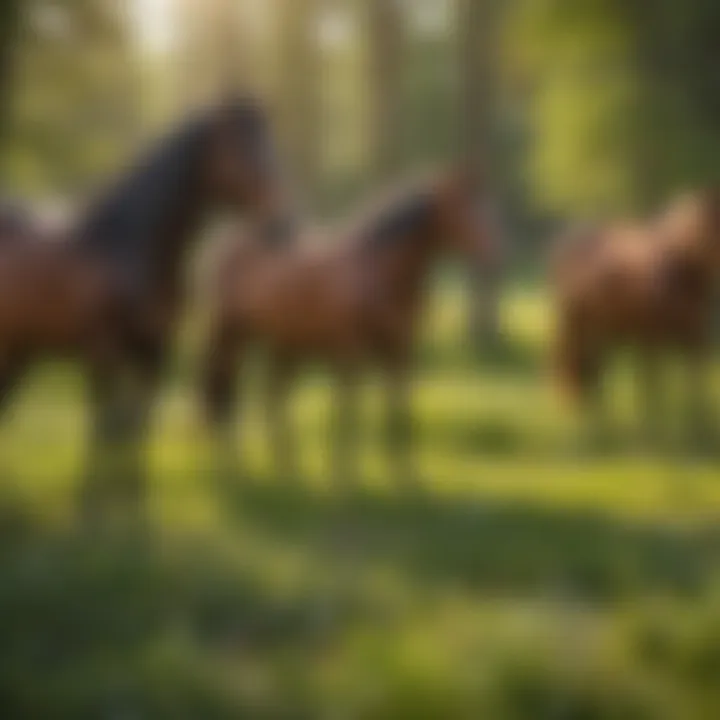
The landscape of equestrian culture in Michigan is as diverse and rich as the trails themselves. It is not merely about riding horses; it's a community that intertwines the love for nature and animals with social connections and shared experiences. This culture fosters a unique bond among enthusiasts, ranging from casual riders to dedicated trainers. Moreover, it showcases the breathtaking scenery of Michigan, drawing individuals and families to the trails.
Understanding equestrian culture entails recognizing its various elements. Community events play a pivotal role, allowing individuals to come together, share experiences, and learn from one another. This sense of community enhances knowledge sharing, which greatly benefits novice riders and helps seasoned equestrians nurture their skills. Coupled with this social aspect is the presence of local organizations dedicated to promoting equestrian activities, ensuring that the sport is sustained while also addressing the needs of riders and their horses alike.
Equestrian activities extend beyond mere recreation; they contribute to the local economy, promote healthier lifestyles, and encourage environmental stewardship. As riders trot through lush trails, they often gain insights into the ecosystems around them, further emphasizing the importance of preserving these natural environments for future generations.
Ultimately, the equestrian culture in Michigan serves to bridge the gap between riders of all backgrounds while fostering a greater appreciation for nature. It is a vivid tapestry woven from the threads of community engagement, mutual respect, and the timeless connection between humans and horses.
Community Events and Gatherings
Community events are the heartbeat of Michigan's equestrian culture, transforming solitary rides into social experiences. Annual gatherings, horse shows, and trail rides offer opportunities for riders to connect, exchange information, and celebrate their shared passion. Whether it’s a local charity event at a nearby farm or a competitive show at a well-known riding arena, these gatherings highlight the supportive nature of the community.
Reasons to Attend Community Events:
- Networking: Meet fellow equestrians and industry professionals.
- Skill Development: Learn from workshops or demonstrations.
- Support for Local Causes: Many events raise funds for equine welfare or conservation efforts.
- Family Involvement: Engaging family members encourages a more profound appreciation of the sport.
Participating in these events not only boosts personal skills but also enhances the collective support for local equestrian-focused initiatives. More than just a pastime, these activities create lasting friendships.
Prominent Local Equestrian Organizations
Numerous organizations throughout Michigan are pivotal to the development and sustainability of the equestrian scene. These local groups not only advocate for riders but also contribute to the promotion of horse welfare and environmental stewardship.
- Michigan Horse Council: This organization works tirelessly to advocate for the needs of horse riders, funds educational programs, and fosters community among horse owners.
- Equestrian Trails, Inc.: Their mission revolves around establishing and maintaining equestrian trails, ensuring that riders continue to have access to the state's beautiful landscapes.
- 4-H Equestrian Programs: Through youth initiatives, 4-H provides young riders with opportunities to learn about horse care, riding skills, and the responsibilities associated with horse ownership.
Through collaboration with local governments and conservation groups, these organizations play a critical role in maintaining trail systems, enhancing rider experiences, and nurturing a culture of respect for the environment.
"The essence of Michigan's equestrian culture lies not only in the trails ridden but in the community forged along the way."
In sum, the equestrian culture embedded in Michigan's outdoor settings enriches the lives of its enthusiasts, offering more than just a pastime, but a vibrant lifestyle that champions connection, education, and stewardship.
Advice for Horse Trail Enthusiasts
Navigating the horse trails of Michigan can be both exhilarating and, at times, a tad daunting. One's experience frequently hinges on being well-prepared and having a clear understanding of the trails available. This section aims to shed light on key considerations for equestrians of all levels, emphasizing the dual importance of personal skill assessment and rigorous planning for a safe journey through Michigan's captivating landscapes.
Choosing the Right Trail for Your Skill Level
Selecting a trail that aligns with your riding capabilities is a fundamental step in ensuring an enjoyable and safe experience. Michigan offers a broad spectrum of trails, from those that cater to novices to more challenging routes that can test even the most seasoned riders.
When determining the right trail, consider the following:
- Skill Assessment: Understand your own riding experience and comfort level. Are you a beginner or do you have miles under your belt? Knowing this will help narrow down your options.
- Trail Rating: Some parks provide rating systems for their trails, similar to ski runs. Look for descriptions that specify whether a trail is easy, moderate, or difficult. Don't hesitate to ask local guides for their recommendations; they often have valuable insights.
- Trail Conditions: Weather can greatly impact the ride, as muddy trails in spring can become troublesome for less experienced riders. Check online resources or community forums like reddit.com to get the latest updates.
- Length and Terrain: Consider how long you want to be on the trail and the type of terrain. If you’re not ready for sharp inclines or rocky paths, it’s always better to start with flatter, well-groomed routes and work your way up.
By carefully choosing a trail that suits your skill level, you will not only enhance your experience but also minimize the risks associated with riding in unfamiliar terrain.
What to Bring on Your Trail Ride
Preparation goes hand-in-hand with safety and enjoyment while riding. Having the right gear can make a world of difference during your time on the trails. Here’s a checklist of essentials to consider:
- Ride Gear: Don’t compromise on finding a comfortable saddle and well-fitted tack for your horse. Ensure your helmet meets safety standards.
- First Aid Kit: An equestrian first aid kit is crucial. It should include items for both you and your horse, such as bandages, antiseptics, and any specific medications your horse might require.
- Navigation Tools: A physical map of the trails and a compass can be lifesavers in areas with poor signal reception. If you prefer tech, a GPS device designed for outdoor use may also be beneficial.
- Snacks and Water: Keep hydrated and maintain your energy with nutritious snacks. Carry enough water for both you and your horse, especially on longer rides.
- Emergency Contacts: Always inform someone of your plans before heading out and have a list of contact numbers for local stables or equestrian centers in case of an emergency.
"Failing to prepare is preparing to fail." - This old saying rings particularly true when it comes to riding. Proper preparation not only leads to a smoother ride but also enhances your overall experience.
By keeping these considerations in mind, horse trail enthusiasts of all experience levels can ensure their adventures in Michigan's vast landscapes are as rewarding and thrilling as possible.
Culmination: The Future of Horse Trails in Michigan
The future of horse trails in Michigan holds a wealth of potential, intertwining recreation with environmental stewardship. In this ever-changing landscape, maintaining a balance between the love for equestrian activities and the need for ecological conservation is paramount. As we look forward, several key elements and challenges emerge, making this topic both timely and significant.
Emerging Trends in Equestrian Recreation
The dynamics of equestrian recreation are shifting. Growing interest in sustainable travel and eco-conscious practices is influencing how trails are developed and maintained.
- Increased Popularity of Multi-Use Trails
Many riders are now seeking trails that cater not just to horseback riding but also to biking and hiking. This trend promotes shared usage, encouraging a sense of community among outdoor enthusiasts. - Integration of Technology
From tracking trail conditions through apps to GPS-guided rides, technology is forging a new path for trail enthusiasts. This integration enhances safety, accessibility, and enjoyment, enabling riders to better plan their adventures. - Rise of Natural Horsemanship
A shift towards more natural horsemanship techniques emphasizes partnership between riders and horses. This philosophy not only improves rider skills but also promotes care for the trails and environment.
With these trends, we can expect horse trails in Michigan to evolve, catering not only to recreational needs but also fostering a stronger commitment to sustainability.
The Role of Conservation in Trail Sustainability
Conservation initiatives are paramount for the longevity of Michigan's horse trails. As trails face increased usage, measures need to be put in place to protect the natural environment.
- Habitat Preservation
Efforts must focus on protecting biodiversity within these landscapes. Sustainable trail practices can mitigate soil erosion and minimize disturbances to wildlife, ensuring that ecosystems remain intact. - Active Volunteer Involvement
Local equestrian groups and organizations can lead conservation efforts. Through volunteer days dedicated to trail maintenance and environmental clean-ups, they foster a sense of responsibility among trail users. - Collaboration with State Agencies
Building partnerships with forestry and conservation agencies can enhance trail infrastructure. This collaboration often leads to increased funding and resources which are crucial for maintaining and improving trail conditions.