Discovering the Kern River Camp Site: Nature and History
Intro
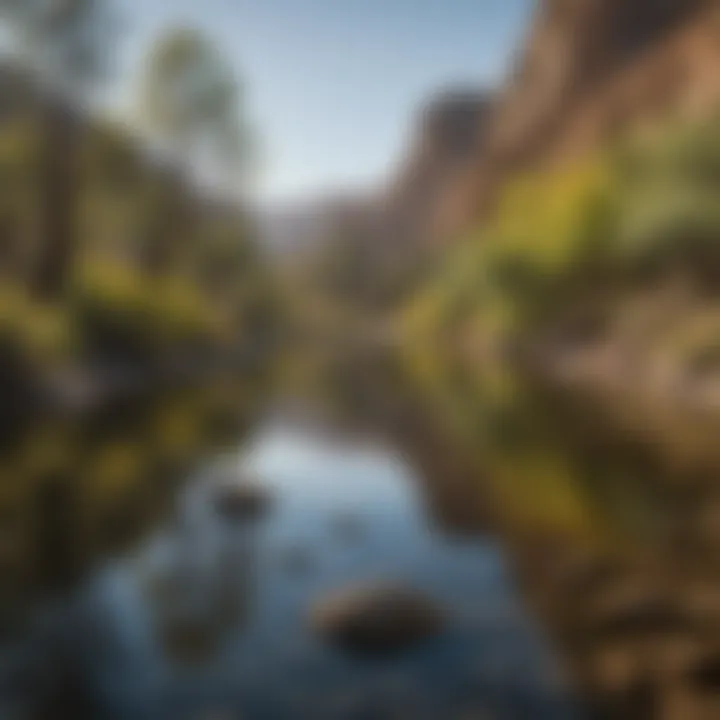
Nestled within the stunning landscapes of the Sierra Nevada Mountains, the Kern River Camp Site serves as more than just a tranquil getaway; it is a microcosm of ecological diversity, rich history, and communal involvement. This article takes a closer look at what makes the site so special, delving into its natural features, recreational options, and the environmental practices that ensure its sustainability.
Many adventurers and nature enthusiasts flock to this locale every year, drawn by its picturesque views and abundant opportunities for outdoor activities. But what exactly can visitors expect? From unique flora and fauna to vibrant community initiatives dedicated to conservation, we’ll navigate every aspect of this captivating site.
As we explore various topics, like the dense population of evergreen trees and vital forest management techniques, it will become clear why the Kern River area is a significant focus for both experienced campers and first-time visitors. Through engaging narratives and analytical insights, we hope to encourage a deeper appreciation for the intricacies of this American treasure.
Evergreen Trees Species
When wandering the Kern River area, it's impossible to ignore the impressive evergreen trees that tower majestically above. Their resilience against the elements, as well as their considerable ecological contributions, catapults them to an essential role in both the local ecosystem and forestry practices at large.
Types of Evergreen Trees
In this section, let's dig into types of evergreen trees that populate this stunning region:
- Giant Sequoia (Sequoiadendron giganteum): Known for their massive size and longevity, these magnificent trees are a symbol of strength and endurance, often towering over a hundred feet tall.
- Ponderosa Pine (Pinus ponderosa): Recognized by their long needles and tall stature, these pines offer shelter and food for a variety of wildlife.
- Western Juniper (Juniperus occidentalis): These adaptable and hardy trees are often found in rocky areas, demonstrating their resilience in varied terrains.
Exploring the characteristics and habitats of these species provides insight into their unique adaptations and the roles they play within the ecosystem.
Ecological Significance
Evergreens are not just noteworthy for their grandeur; they provide vital ecological services. They capture carbon, mitigate erosion, and support diverse wildlife habitats. Their dense foliage offers refuge to birds and mammals, making them essential in maintaining local biodiversity. In a place like the Kern River Camp Site, where the interplay of land and water creates a rich ecosystem, the presence of these trees is foundational.
Furthermore, their ability to thrive in well-drained soils and withstand drought periods makes them invaluable in our changing climate. Forested areas help in regulating temperatures and maintaining moisture levels, thereby supporting surrounding ecosystems.
Conservation Practices
Conversing about conservation efforts, it's crucial to highlight initiatives focused on protecting these evergreen species. Community-driven programs often aim at:
- Restoration Projects: Engaging the community in rehabilitating native habitats.
- Education Campaigns: Raising awareness about the significance of protecting local flora.
- Monitoring: Tracking tree health through programs that involve volunteers.
Preservation is not just about maintaining the trees; it encompasses a holistic approach to safeguard the interconnected ecosystems they support.
Forest Management Techniques
A vital component of ongoing conservation efforts is effective forest management. This section outlines key strategies utilized to preserve the rich flora and fauna that define the Kern River region.
Wildlife Habitat Preservation
Creating a balance between human interaction and wildlife welfare is essential. Strategies can include:
- Establishing wildlife corridors to facilitate animal movement
- Implementing controlled burns to manage underbrush and promote healthy forest growth
Sustainable Logging Practices
Timber harvesting can impose significant pressure on forested areas. Hence, sustainable operations that minimize environmental impact must be prioritized, with practices such as:
- Selective cutting, allowing for natural regeneration
- Utilizing logging methods that reduce soil disturbance and erosion
Fire Prevention Measures
In California, fire prevention is increasingly critical. Effective strategies include:
- Creating defensible spaces around trees and structures
- Educating the public on fire risks and prevention measures
Ecosystem Restoration Initiatives
Collaborative efforts among forest specialists, volunteers, and local organizations focus on restoring degraded lands and promoting healthy ecosystems, ensuring a thriving environment for generations to come.
"Sustainable practices ensure that our treasured lands remain intact for all, not just for now, but for the future."
Climate Change Impact on Evergreen Forests
Understanding how climate change affects evergreen forests is vital in gauging our ecological future.
Carbon Sequestration
Evergreen forests act as significant carbon sinks, sequestering carbon dioxide and mitigating climate change effects. The health of these forests directly influences atmospheric composition, making their protection essential.
Weather Pattern Effects
Changes in climate lead to unpredictable weather patterns, affecting growth rates and the overall health of trees. Fluctuations in precipitation can lead to drought conditions, putting stress on these vital ecosystems.
Biodiversity Support
In addition to their carbon storing capabilities, these forests serve as crucial corridors for wildlife habitats, promoting biodiversity that is often threatened by climate shifts.
Localized Effects
The impacts of climate change are not uniform. Different communities may experience and adapt to changes in diverse ways, emphasizing the need for tailored conservation practices.
Management and Preservation of Evergreen Forests
Reflecting on the historical context, research findings, and ongoing conservation efforts provides crucial insight into the dynamics of managing and preserving evergreen forests.
Historical Context
American evergreen forests have been revered for centuries. Native cultures held these trees in high regard, understanding their impact on the environment. They routinely employed sustainable practices, highlighting their commitment to stewardship long before mainstream awareness.
Research Findings
Ongoing research sheds light on diverse aspects of forest management, from biodiversity indicators to sustainable techniques. New findings inform management strategies and best practices, helping to shape future conservation priorities.
Conservation Efforts Showcase
Highlighting success stories in conservation can motivate community involvement. Organizations collaborating with local volunteers have shown notable improvements in forest health and resilience, laying a blueprint for effective engagement.
Outdoor Activities in Evergreen Forests
Beyond conservation, the Kern River Camp Site offers a plethora of outdoor activities for all nature lovers, making it a top-notch destination for various experiences.
Hiking Trails Exploration
Winding trails meander through fragrant pine and fir forests, affording hikers opportunities to experience the raw beauty of nature while exploring vibrant ecosystems. Most paths boast varying difficulty levels, accommodating both casual strollers and determined trekkers.
Camping Destinations
For those wishing to immerse themselves fully in nature, numerous camping spots dot the landscape, providing a chance to sleep under the stars surrounded by towering trees. Campsites offer varying amenities to cater to different preferences.
Nature Photography Opportunities
Photography enthusiasts will delight in capturing the awe-inspiring landscapes, from ancient trees to expansive vistas. Unique lighting and seasonal changes add layers of beauty that can transform a simple photograph into a stunning work of art.
Birdwatching Enthusiasts
Try your luck spotting feathered friends across the diverse habitats. With myriad bird species flitting about, the Kern River area makes for an excellent birdwatching locale, showcasing the delicate balance of life within these thriving ecosystems.
Visiting the Kern River Camp Site not only provides leisurely enjoyment but also encourages engagement with the natural world and underlines the importance of responsible practices. As we dive deeper into each of these facets, we invite readers to consider how they can contribute to the ongoing preservation of this valuable ecosystem.
Preface to the Kern River Camp Site
The Kern River Camp Site serves as a pivotal gateway to not just the great outdoors, but to a rich tapestry of ecological and historical narratives. This area is not merely a spot to pitch a tent; it offers a deep connection to nature, culture, and conservation that is often overlooked by casual explorers. The site stands out as a dynamic canvas where both nature and human history beautifully intertwine, making it essential for anyone with an interest in outdoor life.
Visitors to the Kern River area will encounter numerous benefits, such as opportunities for recreation and exploration. The varying landscapes invite adventurers—whether they're hiking, fishing, or simply soaking up natural splendor. Additionally, the importance of respecting and understanding this environment cannot be understated, especially in an era where ecological conservation is paramount.
Taking the time to emphasize responsible camping practices and the significance of local ecosystems assures everyone will enjoy the camp site's charming offerings while contributing to its preservation. In this article, we will venture into the various aspects of the Kern River Camp Site, revealing why this treasure is not just an avenue for fun, but also a critical learning experience for enthusiasts and professionals alike.
Geographical Location
Nestled within California's Sierra Nevada mountain range, the Kern River Camp Site boasts a stunning geographical setting that is as diverse as it is breathtaking. The camp sits at an elevation that provides memorable views and an array of microclimates. It lies approximately [insert exact distance to local landmarks, e.g., 20 miles north of Bakersfield], with easy access from several highways.
The geographical range encompasses mountainous terrains, valleys, and riverbanks, leading to unique habitats. Whether standing on the rocky outcrops or wandering alongside the gentle current of the Kern River, the landscape offers a vivid palette of colors throughout the seasons. The interaction between the mountains and waterways is more than aesthetic; it cultivates a rich diversity of life that will be detailed in the next section.
Biodiversity Overview
The Kern River area is a veritable Eden, harboring a wide variety of flora and fauna. Home to numerous species, this region exhibits a remarkable biodiversity that reflects its varied habitats. Here, you'll find everything from towering pines at higher elevations to riparian ecosystems along the riverbanks.
- Flora: The plant life here supports both ecological stability and aesthetic beauty. Species like giant sequoias and foothill pines form essential parts of the forest canopy, providing necessary habitats. On the river's edge, lush vegetation thrives, accommodating insects, birds, and mammals that rely on these plants.
- Fauna: As for animal life, visitors may encounter deer, foxes, and a range of birds—from magnificent eagles soaring above to smaller hummingbirds flitting about, filling the air with life and color. This rich biodiversity not only enhances the camping experience but also plays a critical role in maintaining the ecological balance of the area.
Historical Context
The historical context of the Kern River Camp Site adds layers of significance that enrich the experience for those who seek to connect with both nature and the past. Understanding the background not only offers insights into the ecosystem but also unveils how the land has played a pivotal role in the lives of its inhabitants throughout history. This glimpse into the past serves as a reminder of the intricate relationships forged between people and their environment.
Indigenous Significance
Before the arrival of European settlers, the Kern River area was home to indigenous tribes, most notably the Kawaiisu and the Yokuts. These groups had a deep spiritual connection with the land, seeing it as more than just a resource but as a living entity deserving of respect. The river itself held great value, being a vital source of water and food. Traditional practices included fishing, gathering, and seasonal migrations, all of which were intricately woven into their cultural narratives.
The Kawaiisu, for example, utilized both the river's waters and the surrounding vegetation for food and medicine. They crafted tools from stones found in the area, which are still evident in archaeological findings today.
"Their narratives and traditions tell a story of harmony, emphasizing sustainable practices long before they became mainstream."
The rich oral histories of these indigenous peoples illustrate not only their dependence on the natural world but also their commitment to stewardship. For modern visitors, recognizing this indigenous significance can enhance one’s appreciation of the natural splendor and the cultural artifacts that linger on the landscape.
Early Settlers and Usage
As the 19th century rolled in, the phase of European settlement brought dramatic changes to the Kern River area. Gold discoveries and the expansion of agriculture led to an influx of settlers seeking fortune and land. The river became a lifeline for these newcomers, providing water for irrigation and domestic use, significantly altering the ecosystem in the process.
Early settlers established farms and communities, utilizing both the river and the forested areas. Timber from the vast groves was harvested for building materials, while the fertile land encouraged crops such as wheat and corn. Unfortunately, the environmental consequences were profound, often leading to habitat destruction.
Recognizing this history gives campers and visitors context for the land they traverse. It showcases a landscape that has seen significant transformation; a constant balance between exploiting resources and preserving them is essential.
In summary, understanding the historical context surrounding the Kern River Camp Site—especially its indigenous significance and the practices of early settlers—serves as a vital component of the experience for any visitor. Acknowledging these histories allows for deeper connections to the environment, fostering respect and hopefully inspiring sustainable practices for generations to come.
Natural Features
Understanding the natural features of the Kern River Camp Site serves as a cornerstone to appreciating this area. Each element, from plant life to wildlife, contributes to the rich tapestry that supports biodiversity and sustains recreational activities. Recognizing these features not only enhances visitors’ experiences but also emphasizes the need for their preservation. The following subsections explore the distinct flora, diverse fauna, and unique geological landscape that define the Kern River area, providing insights valuable to forestry professionals and academics alike.
Flora of the Kern River Area
The flora surrounding the Kern River is notably diverse, showcasing a mix of species that thrive in different microclimates across the area. Dominant tree species like the Giant Sequoia are found in higher elevations, while lower slopes tend to feature Ponderosa Pines and Black Oaks. This variety is key in providing food and shelter for numerous wildlife species. The understory, rich with wildflowers such as California Poppies and Lupines, not only enhances the visual appeal but also contributes to the ecosystem’s health.
The adaptation of these plants to their environment exemplifies resilience. For instance, many shrubs display drought-resistant traits - a crucial factor given California's fluctuating climate. This adaptability signals a thriving ecosystem, essential for both biodiversity and recreational use.
Fauna Diversity
The fauna within the Kern River area presents a fascinating array of species, adding to the landscape’s dynamism. Mammals such as black bears, mule deer, and bobcats roam the region, while avian visitors include bald eagles and various songbirds. These species have adapted to the landscape's rich resources, sustaining their populations and enhancing biological diversity.
"The balance of predator and prey in the Kern River establishes a vibrant cycle of life, vital for maintaining ecological stability."
This interaction highlights an important consideration for anyone engaging with the environment: understanding the relationships between these species can greatly affect conservation efforts. Ensuring the habitats are preserved not only aids the existing fauna but also promotes future biodiversity.
Geological Landscape
The geological features of the Kern River are equally significant, shaped by millennia of tectonic activity and erosion. Granite cliffs, ancient volcanic formations, and rugged river canyons provide not only stunning vistas but also important insights into Earth’s history. The interplay between water and rock has sculpted the land, creating unique geological formations that attract researchers and outdoor enthusiasts alike.
Furthermore, the erosion along the riverbanks reveals sediment layers, allowing geologists to study the area's past environmental conditions. As such, the geological landscape of the Kern River is not merely a backdrop; it offers a narrative that enriches our understanding of both natural processes and historical significance.
Camping Experience
Camping at the Kern River Camp Site is more than just pitching a tent. It's an experience steeped in nature and adventure, allowing visitors to immerse themselves in one of America’s most beautiful landscapes. For many, it serves as a getaway from the hustle and bustle of daily life, providing the chance to reconnect with the environment. Understanding what this experience entails is vital for those interested in exploring the area’s myriad offerings.
Campsite Facilities
At the Kern River site, campers will find a range of facilities designed to enhance their stay. The primary campsite offers several amenities suitable for all types of visitors. Restrooms with running water, though basic, afford a sense of comfort, while picnic tables and fire rings create an inviting space for meals and gatherings. Additionally, there are well-maintained trash disposal units to encourage responsible waste management – a crucial aspect of preserving the natural beauty of the site.
One notable feature is the designated group sites which can be particularly beneficial for families or friends wishing to camp together. These spots often provide additional space and privacy. For those backpacking or venturing further into the wild, primitive campsites away from main thoroughfares offer a sense of solitude. Each area showcases its own unique charm, making the selection process all the more engaging. It invites campers to weigh factors like accessibility, scenery, and proximity to river activities.
Types of Camping Available
The Kern River Camp Site caters to a diverse range of camping styles, ensuring that there's something for everyone. Whether you prefer a more structured situation with established facilities or a rugged wild experience, this area does not disappoint.
- Tent Camping: Traditional tent camping remains popular, with abundant spots nestled close to the water. The option to pitch your tent right beside the Kern River allows the gentle sound of flowing water to lull you to sleep.
- RV Camping: For those who prefer the comforts of home, there are facilities equipped for RVs. These spaces accommodate the needs of those looking to enjoy the outdoors with the benefits of running water and electricity.
- Backpacking: Adventurous souls can explore the deeper parts of the Kern area. With various trails leading to panoramic vistas, backpacking offers solitude and a unique way to experience the landscape.
Each type of camping provides its own advantages, but ultimately, it is up to the individual camper to align their choice with their personal preferences and requirements.
Seasonal Considerations
Timing your visit to the Kern River Camp Site can significantly affect your experience. Each season offers distinct advantages and challenges that can cater to various types of adventurers.
- Spring: As the snow melts, the river swells with fresh runoff, creating ideal conditions for those looking to fish or kayak. The flora begins to bloom, providing a stunning backdrop for your camping trip.
- Summer: This is peak camping season. Families flock to the site, enjoying warm weather and long days filled with outdoor activities. However, it's essential to book your spot early, as this is when the camp fills up quickly.
- Fall: The vibrant autumn foliage transforms the landscape into a painter’s palette. It's a quieter time, ideal for those who prefer solitude and cooler temperatures. Hiking during this season can be particularly enchanting, offering striking views of the changing leaves.
- Winter: Winter camping is for the intrepid. While it may present challenges like colder temperatures, the peacefulness of a snow-blanketed campsite is unmatched. Snowshoers and winter enthusiasts often find this time of year magical, despite the frosty conditions.
Understanding these seasonal shifts helps in planning a suitable trip, ensuring that campers are prepared for the unique situations each season brings.
Recreational Activities
Engaging in recreational activities at the Kern River Camp Site is not just a pastime; it's an integral experience that connects visitors to the area's natural beauty and ecological diversity. The varied landscapes and rich habitats foster a multitude of activities, each offering unique benefits. Tapping into these features increases one's appreciation for the environment and provides an opportunity for personal growth in nature.
Hiking Trails Overview
The Kern River area boasts a range of hiking trails suitable for different skill levels, from gentle strolls to challenging treks. Each trail unveils new scenery, whether it be towering pines, rugged cliffs, or peaceful riverbanks. The Pacific Crest Trail, slicing through majestic wilderness, is one of the highlight features.
Hiking not only enhances physical well-being but also encourages mental rejuvenation. Walking through these trails, one can absorb the tranquility of nature, listen to birds singing, and experience the serenity that often eludes our busy lives.
- Popular Trails:
- Big Meadow Trail: Ideal for beginners, offering gentle slopes.
- Sunset Campground Trail: Provides breathtaking views, perfect for photography enthusiasts.
- Cedar Creek Falls: A strenuous hike, rewarding with a spectacular waterfall view.
Providing maps and guides at the Kern River Camp Site ensures everyone can find their way and leads to safer experiences.
Fishing Opportunities
The Kern River is renowned for its fishing prospects, boasting a varied range of species. Anglers are drawn here by the promise of catching trout, particularly the California golden trout. Fishing provides not just a food source but a chance to embrace a slower pace of life, standing by the riverside, baiting hooks, and savoring the gentle sounds of flowing water.
"Fishing is a lot like religion; many practices, but only a few really know the secrets."
The regulations regarding fishing are essential to remember, ensuring that the ecosystem remains balanced and that local fish populations are sustained. Be sure to check the seasonal regulations, as some areas might have restrictions or designated catch-and-release practices during certain times of the year. Common fishing spots include:
- The Forks of the Kern
- Canyon Creek
- Tule River
Wildlife Observation
Wildlife observation at the Kern River Camp Site is akin to a living classroom. With its abundant habitats, visitors might spot deer, mountain lions, and various bird species, including majestic eagles. The uniqueness of the habitats here sets the stage for much more than mere sighting; it fosters an understanding of intricate ecosystems and the delicate balance of nature.
While observing, it’s crucial to respect wildlife and maintain distance. The sight of a heron fishing in the river or a deer nibbling on shrubs could become the highlight of a trip, but approaching too closely can disrupt their natural behavior. Here are some tips for effective wildlife observation:
- Be patient: Often, wildlife comes out when they feel safest, so sit quietly and wait.
- Use binoculars: Enhance your viewing experience without encroaching on their space.
- Keep a journal: Document your sightings and experiences. It adds a personal touch to your adventures.
Overall, the Kern River Camp Site offers an array of recreational activities that not only engage the body but also refresh the mind and spirit. Each endeavor, be it hiking, fishing, or simply observing wildlife, builds a deeper connection with the environment, making it a haven for those longing for a meaningful interaction with nature.
Environmental Considerations
The Kern River Camp Site is more than just a scenic outdoor escape; it constitutes a microcosm of ecological balance that deserves careful examination. Navigating through the intersection of natural beauty, recreational activity, and conservation efforts, this section emphasizes the significant role environmental considerations play in preserving the Kern River ecosystem. Understanding how these elements interact is crucial not just for maintaining its current state, but for ensuring that future generations can revel in this natural treasure.
Sustainable Practices
Adopting sustainable practices is fundamental for any outdoor site, particularly one as rich in biodiversity as the Kern River. Visitors are encouraged to engage in actions that minimize their environmental footprints. For instance:
- Leave No Trace: Following this principle helps to ensure that the land remains unharmed by human activities. Cleaning up after oneself and avoiding the creation of new paths can help conserve delicate habitats.
- Use Eco-Friendly Products: Campers should opt for biodegradable soaps and avoid single-use plastics. These choices reduce pollution and support healthier ecosystems.
- Respect Wildlife: Observing animals from a distance is vital. Feeding wild animals can disrupt their natural feeding behaviors and create dependencies on human food sources.
Conservation Efforts
Several conservation initiatives aim to maintain the ecological integrity of the Kern River region. Local organizations and authorities often collaborate to address environmental degradation, habitat loss, and threats from invasive species. Some notable efforts include:
- Habitat Restoration Programs: These initiatives help rehabilitate damaged ecosystems by restoring native plants and removing invasive species.
- Education Campaigns: Programs targeting both tourists and locals inform about the delicate balance of the ecosystem and inspire stewardship among community members and visitors.
- Wildlife Protection Laws: Specific regulations enforce measures to protect endangered species and their habitats, ensuring a more sustainable coexistence between humans and wildlife.
"Conservation is a state of harmony between men and land." – Aldo Leopold
Impact of Tourism
While tourism brings economic benefits and opportunities for community engagement, it also poses challenges to the environment. The influx of visitors can strain local resources and disrupt natural habitats. Some considerations include:
- Resource Management: Increased foot traffic can lead to soil erosion, water pollution, and the disruption of wildlife. Managing visitor numbers and ensuring that the infrastructure can support them is essential.
- Awareness and Regulation: Educating visitors about the ecosystem's fragility fosters responsible behavior. Implementing guidelines or restrictions during peak seasons can help mitigate negative impacts.
- Benefits and Drawbacks: While the revenue from tourism can support conservation efforts, it’s vital to strike a balance. Funds generated could be reinvested into environmental protection initiatives, but unchecked growth can lead to long-term damage.
This multifaceted approach to understanding the environmental considerations at the Kern River Camp Site ensures that as we explore its enchanting landscapes, we remain diligent stewards of this irreplaceable resource.
Safety and Preparedness
When adventuring in the great outdoors, particularly at a site as captivating as the Kern River Camp Site, understanding safety and preparedness can make the difference between a memorable experience and an unfortunate one. This area, while rich in biodiversity and natural beauty, also presents a variety of challenges and potential hazards that visitors must navigate. Elevating one's awareness about environmental conditions, wildlife behavior, and emergency protocols fosters a sense of security and enhances the overall enjoyment of camping activities.
Being equipped with the right knowledge and tools can prevent accidents, keeping both campers and the environment safe. Engaging with nature offers countless benefits, but it also demands respect and preparedness.
Essential Safety Tips
Camping in the Kern River area can be both exhilarating and unnerving, especially for newcomers. Here are some essential safety tips to keep in mind:
- Know Your Surroundings: Before heading out, familiarise yourself with the area. Use maps and mobile apps to identify trails and campsites.
- Wildlife Awareness: The Kern River region is home to diverse wildlife; knowing what animals you might encounter is crucial. Be cautious of bears, rattlesnakes, and other local fauna.
- Stay Hydrated: Always carry plenty of water. Dehydration can sneak up on you, especially when you're active.
- Fire Safety: Campfires can be enchanting, but they can also be extremely dangerous. Ensure that fires are contained, monitored, and fully extinguished before leaving your campsite.
- Pack an Emergency Kit: Include basic first aid supplies, a flashlight, extra batteries, and a whistle. Being prepared can save lives in case of unexpected incidents.
Emergency Protocols
Despite careful planning, emergencies can still arise during outdoor activities. Being aware of emergency protocols adds another layer of safety to your camping experience. Here are vital steps to follow:
- Emergency Contacts: Store important phone numbers in an accessible part of your pack. Know the location of the nearest emergency service and how to contact them.
- Communicate Your Plans: Let someone know your itinerary, including locations and expected return times. This way, someone can act if you don’t come back when you said you would.
- Document Physical Conditions: Keep track of your physical and emotional state. If exhaustion or discomfort sets in, recognize it early and decide whether it’s time to rest or even cut your trip short.
- Use Technology Wisely: If you have a GPS device or smartphone with service, use it to signal your location in an emergency. However, don’t rely solely on technology as batteries can die, and signals can falter.
- Practice First Aid: Basic first aid training can prepare you for common injuries, pushing you to act wisely when faced with accidents. Having even a semblance of medical knowledge can be incredibly beneficial in a crisis.
Remember, preparation is key. By taking these steps, you can enjoy the wonders of the Kern River Camp Site with peace of mind.
Embarking on a camping trip requires more than just enthusiasm; a proactive approach to safety and preparedness will enrich your experience and protect both you and the remarkable natural landscape surrounding the Kern River.
Access and Amenities
Access to the Kern River Camp Site is paramount for fostering a great experience amid nature’s splendor. Understanding how to navigate this area not only improves convenience for visitors but also plays a vital role in appreciating its vast offerings. Having the right amenities in place can significantly uplift the camping experience by ensuring that adventurers are equipped and comfortable throughout their stay.
The Kern River Camp Site is somewhat remote, yet it's not hard to reach if one follows the right directions. The journey allows you to soak in the landscape; winding roads and towering trees create an immersive start before stepping into the heart of the wilderness.
Getting There
To reach the Kern River Camp Site, there are several routes depending on your starting point. Taking California State Route 178 East will set you on a direct course. If you’re coming from the south, you can hop on US Route 99 North and then connect to Route 178. This scenic oblong path isn't just about getting from point A to B—it offers breathtaking vistas that are worth every mile.
Once you arrive, be prepared for potential weather changes, especially in spring and fall when conditions can turn on a dime. So, keeping your car tuned and well-stocked with snacks and some entertainment is wise!
- Highway displays offer valuable alerts about road conditions.
- GPS apps can sometimes lead you astray; consider a paper map for backup.
In recent years, many visitors have also noted that arriving early, especially during peak seasons, can avoid overcrowding and ensure a peaceful stay.
Nearby Services
Adventurers rarely find themselves isolated in the wilderness entirely, and the vicinity of the Kern River Camp Site boasts several essential services that add to the appeal of camping in the area. From basic groceries to medical facilities, there’s more than meets the eye once you venture beyond the camp.
- Shops: The closest town to the camp is Kernville. It features several local shops where visitors can buy camping gear, souvenirs, and essential supplies.
- Fuel stations: Before heading to the campsite, topping up your fuel tank is advisable. Residents are often happy to provide directions if you're unsure.
- Dining: There are some local eateries that serve delicious meals. Don't hesitate to try local dishes that embrace the area’s culinary heritage.
- Healthcare: For those needing emergency supplies or care, a small medical facility is situated in Kernville.
In short, knowing how to access the Kern River Camp Site, along with understanding the nearby services, enriches the camping experience significantly. It ensures that natural enthusiasts can immerse themselves in the wilderness while still being connected to essential comforts.
Community Engagement
Community engagement plays a pivotal role in enhancing the experience and conservation efforts at the Kern River Camp Site. Engaging with the local community not only benefits visitors but also sustains this precious ecosystem. When local residents, organizations, and visitors collaborate, an invaluable exchange of knowledge, skills, and resources occurs. The participation of community members fosters a deeper appreciation for the environment and ensures that the natural surroundings are respected and protected.
By encouraging active involvement, the Kern River area can sustain its wildlife and scenic beauty while also enriching the camping experience for everyone. Here’s a closer look at the elements and benefits of community engagement.
- Strengthening Community Bonds: When people come together for a common cause, they build connections. These relationships help create a network of passionate individuals and organizations dedicated to preserving the Kern River area.
- Knowledge Exchange: Local residents often have a wealth of knowledge about the fire ecology, flora, and fauna of the region. They can share insights that enhance educational programs.
- Support for Conservation Efforts: Engaged community members are more likely to participate in conservation initiatives, volunteer efforts, and advocacy for sustainable practices.
- Economic Revitalization: An engaged community can lead to increased tourism activities, benefiting local businesses and fostering a circular economy.
In the long run, community engagement within the Kern River area lays a foundation for a thriving environment and boosts the overall experience for visitors. This synergy also encourages stewardship, helping ensure that this natural treasure remains well-preserved for future generations.
Volunteer Opportunities
There are numerous ways for individuals to contribute through volunteer opportunities at the Kern River Camp Site. Volunteering here isn’t just about offering labor; it’s about immersing oneself in the beauty of nature and making a positive impact. Here are some areas where volunteers are especially welcome:
- Trail Maintenance: Keeping the trails in good shape is crucial for both safety and aesthetics. Volunteers can help clear debris, mark paths, or even reestablish trails that have been damaged.
- Clean-up Initiatives: Regular clean-up days help keep the camp site pristine. Volunteers play an instrumental role in removing litter and ensuring that waste disposal facilities are properly used.
- Wildlife Monitoring: Assisting with observing and tracking local wildlife is both informative and valuable for the ongoing conservation efforts. Volunteers can help gather data on various species and their habitats.
- Restoration Projects: Participating in local habitat restoration projects is an opportunity to give back directly to the ecosystem, helping to replant native species and combat invasive plants.
Volunteering at the Kern River Camp Site provides a rewarding experience for individuals while significantly benefitting the broader community and the environment. It not only helps cultivate a sense of ownership but also instills pride in preserving this cherished landscape.
Education Programs
Awareness and education are key aspects of community engagement at the Kern River Camp Site. Numerous educational programs aim to deepen understanding of the local ecosystem and promote sustainability. These programs focus on the following areas:
- Workshops on Native Plants: These sessions teach participants about the importance of local flora, offering insights into their ecological roles. Learning to identify native species fosters respect and encourages conservation consciousness.
- Wildlife Identification Courses: Understanding local wildlife helps cultivate appreciation and encourages responsible behavior among visitors.
- Sustainability Seminars: These events provide practical tips on how to camp sustainably, reduce waste, and minimize one’s ecological footprint.
- Family Educational Days: Special programs for families with children often involve interactive activities around wildlife, ecology, and conservation.
Engaging the public through education promotes an informed community that values its natural surroundings. Participants leave these programs with not just knowledge but also a sense of shared responsibility in protecting the Kern River area and its vibrant ecosystem.
By fostering both volunteer opportunities and educational programs, the Kern River Camp Site nurtures a culture of sustainability and community spirit, ensuring its natural beauty endures for years to come.
Such engagements significantly elevate the connection between visitors and the environment while promoting mutual respect and stewardship.
Future Perspectives
Understanding the future perspectives of the Kern River Camp Site is essential for fostering a dialogue around the sustainable management and preservation of this magnificent area. As both a natural retreat and a site of historical significance, the Kern River has myriad implications for conservation, community involvement, and tourism. With ongoing changes owing to climate shifts and increased visitor numbers, it becomes even more pressing to outline both the challenges and innovations ahead for this ecosystem.
Challenges Ahead
One of the foremost challenges facing the Kern River Camp Site is the rising impact of climate change. Altering weather patterns have resulted in less predictable precipitation and more frequent wildfires. As temperatures rise, native flora and fauna may struggle to adapt, potentially threatening their existence.
- Soil erosion: With more intense rain, moisture can wash away the soil, destabilizing habitats and altering landscapes.
- Water quality: Increased runoff from both nature and human activity can impact the clarity and safety of the water, making it less viable for recreational fishing and swimming.
- Habitat loss: Migratory paths of species might get disrupted, leading to a decline in biodiversity.
Moreover, the increase in tourism can result in overcrowding, leading to litter, noise, and disturbances to wildlife. Managing this influx requires both thoughtful planning and the active involvement of local communities, ensuring that tourism does not compromise the ecological integrity of the site.
"The future of places like the Kern River Camp Site hinges on our ability to embrace responsible stewardship and to educate visitors about their role in preserving these natural wonders."
Plans for Development
To tackle these challenges, various plans for development have been proposed, aiming to balance the needs of the environment with those of the community and its visitors. The focus is primarily on enhancing sustainable practices, ensuring a resilient ecosystem.
- Reforestation Programs: Initiate planting trees and restoring native plant species. Success in these programs can bolster local biodiversity and combat soil erosion.
- Visitor Education: Engaging educational programs for campers about wildlife conservation, including how to minimize their footprint. Interactive workshops can help pass knowledge down through generations.
- Improved Infrastructure: Upgrading facilities to better handle waste and increase safety while visiting. This means adding composting toilets and increased trash disposal stations, alongside well-marked trails to guide foot traffic more effectively.
- Collaborations with NGOs: Partnering with environmental organizations to foster conservation efforts can lead to better resource management and wider community awareness.
In summary, the future perspectives of the Kern River Camp Site depend on both the challenges posed by environmental changes and strategic plans that prioritize sustainable development. The engagement of local communities not only enriches the experience of visitors but also strengthens ties to this vital ecosystem, ensuring it flourishes for generations to come.
End
In closing, the significance of the Kern River Camp Site extends far beyond a mere recreational area; it embodies a rich tapestry of natural beauty, historical importance, and community engagement. Understanding the multifaceted layers of this site can inspire greater appreciation and stewardship among visitors and locals alike.
Recap of Key Points
Reflecting on the insights discussed in this article, several points emerge as particularly noteworthy:
- Geographical Importance: The Kern River's course through diverse landscapes highlights the ecological significance of this area.
- Historical Context: Indigenous peoples hold a deep connection to the region, which has evolved over centuries with the arrival of settlers.
- Environmental Richness: The area supports a wide array of flora and fauna, crucial for maintaining biodiversity.
- Recreational Activities: Whether it’s hiking, fishing, or wildlife watching, the site offers myriad opportunities for outdoor enthusiasts.
- Community Involvement: Active participation in local conservation and educational programs plays a vital role in the site’s ongoing health and sustainability.
These elements underscore the balance between human interaction and the preservation of nature, reinforcing that the Kern River Camp Site is more than a destination—it's a legacy worth safeguarding.
Encouragement for Exploration
With all the evidence laid out, now is the time to encourage exploration of the Kern River Camp Site. Not only does it promise stunning vistas and exhilarating excursions, but it also invites visitors to connect with nature on a deeper level. Consider the rustling leaves, the melodic trickle of the river, and the vibrant wildlife that call this area home.
Delving into the world of the Kern River can transform one’s perspective on nature. It teaches respect for the environment and the importance of sustainable practices, which are crucial in today’s world faced with climate change and habitat degradation.
Together, let’s embrace the call of the great outdoors. The Kern River Camp Site awaits, ready to share its secrets with those willing to listen. Entering this enchanting landscape is a step toward understanding the delicate dance between humans and nature, setting the stage for future generations to cherish and protect this incredible resource.