
Kayaking Adventures in Kentucky's Stunning Caves


Intro
The beauty of Kentucky extends far beyond its rolling hills and vibrant bluegrass; it reaches into the depths of its caves, where hidden wonders await those brave enough to explore. Kayaking through these subterranean waterways offers adventurers a unique glimpse into geology and nature’s artistry. With every paddle stroke, one unravels a world of rock formations shaped by millennia of water erosion, revealing the stories etched into the walls of time.
In this guide, we’ll not just skim the surface; we’ll dive deep into the essentials of kayaking in the caves of Kentucky. There’s no shortage of excitement and discovery to be found, but an informed approach can make all the difference in having a safe and thrilling experience. From understanding the environmental dynamics that shape these caves to practical tips for navigating this enchanting landscape, this article aims to be a comprehensive resource—whether you’re a seasoned paddler or a curious novice.
Exploring this aquatic labyrinth requires more than just paddles and life jackets. Knowledge about the ecosystems that thrive in the cool, dark environments is crucial. In these hidden corners, the delicate balance of life must be respected, and understanding how to minimize our impact is vital. As we embark on this journey, let’s paddle forth with curiosity, a sense of responsibility, and a readiness to engage with both nature and the adventures it offers.
Prelude to Kentucky's Caves and Waterways
Kentucky is often hailed as a treasure trove of geological wonders, and much of that acclaim stems from its extensive cave systems and winding waterways. This section aims to set the stage for understanding the unique experience of kayaking through these subterranean realms. The intersection of water and stone creates a landscape that is not just visually captivating; it also plays a significant role in the state's ecosystem, biodiversity, and recreational opportunities.
The state hosts more than 4,000 known caves, many of which interconnect via underground rivers. These waterways provide a playground for adventure seekers and nature enthusiasts alike, offering a form of recreation that combines the thrill of kayaking with the mystique of caves. There’s something inherently magical about gliding through passages carved by millennia of water, surrounded by stalactites and unique mineral formations.
Given the unique characteristics of Kentucky’s caves, kayaking here is not just a sport; it also fosters a deeper connection to nature. Kayakers have the chance to witness delicate ecosystems firsthand, making it imperative that they understand both the beauty and fragility of these environments. This adventure calls for an appreciation of the intricate balance between human activity and conservation.
Geological Formation of Kentucky's Caves
The geological genesis of Kentucky's caves is a fascinating tale that begins millions of years ago. Much of the state is built on limestone, a rock that is particularly susceptible to erosion. As rainfall hits the ground, it weathers away the limestone, forming aquifers beneath. Over time, these processes create vast caverns and intricate passageways. What's more, the water that seeps into these caves has often traveled long distances, picking up minerals that further enhance the cave’s beauty.
Cave systems such as Mammoth Cave arose from this ongoing process of dissolution and erosion. This naturally carved labyrinth holds the title of the world's longest cave system and is full of intriguing geological formations, providing insight into the vast timescales over which these systems formed.
Distinctive Features of Cave Kayaking
Kayaking in caves is not your average kayaking experience. The atmosphere inside a cave can be tranquil and surreal, offering an escape from the cacophony of daily life. Unlike traditional kayaking in open rivers where you battle currents and winds, cave kayaking offers a more intimate encounter with the natural world.
Some distinctive features of this unique activity include:
- Natural Soundscapes: The internal echo of dripping water mixed with the gentle splash of paddles creates a sound setting unlike any other.
- Light Play: Natural light filters in at certain points, creating breathtaking visuals as kayak paddles disturb the glass-like surface of underground waters.
- Microclimates: Each cave possesses its own climate, often leading to cooler temperatures and higher humidity compared to the outside environment.
Furthermore, since the paths can be winding with some requiring navigation through low-hanging ceilings, it adds an extra layer of excitement and challenge that can punctuate the serenity. In sum, cave kayaking offers an experience steeped in beauty, adventure, and a unique perspective on aquatic exploration.
"Kentucky’s caves are not just holes in the ground; they are a world waiting to be explored, with stories etched into every rock and drop of water."
This section encapsulates the essence of what makes Kentucky's cave systems an irresistible draw for kayakers seeking both adrenaline and calm, setting the groundwork for delving deeper into specific locations and experiences in the following segments.
The Appeal of Kayaking in Caves
Kayaking in caves offers an interesting blend of thrill and tranquility, making it one of nature's hidden gems for adventurers. Sitting just beneath the surface of Kentucky’s picturesque landscape, these submerged waterways invite paddlers to discover a world that is often overlooked. The appeal lies not just in the physical activity but in the unique experience that intertwines adventure and nature in an intimate setting.
A Unique Perspective on Natural Beauty
When you glide your kayak into the cool waters of a cave, you're not simply witnessing nature – you're enveloped by it. The stalactites that hang from the ceilings seem almost otherworldly, shimmering without the harsh sunlight. Water reflects the eerie contours of limestone walls, painting a canvas that evolves with every gentle stroke of the paddle. Visitors get to see geological formations up close; it’s as if you are navigating through a natural art gallery.
Moreover, the stillness of cave waters allows for deep reflection. Here, the chaos of daily life fades, replaced by the soft echo of drops and splashes. For photographers and nature enthusiasts, the play of light and shadow creates unique opportunities to capture moments that seem frozen in time.
In essence, each paddle further into the cave reveals something fresh and mind-boggling. Paddlers can catch glimpses of rare species, like the brown bat or delicately woven cave spiders. Each section of the cave seems to curate its own little ecosystem, thriving in solitude away from the outside world's hustle and bustle.
Adventurous Yet Tranquil Experience
Navigating the mysterious pathways of Kentucky's caves offers a paradoxical experience. On one hand, the thrill of exploring uncharted territory stirs up adrenaline, while on the other, the serene environment promotes a sense of peace. The gentle murmur of the water combined with ambient echoes creates a soothing atmosphere, as if the cave itself is breathing around you.
"In the depths of the cave, one finds not just adventure but also a rare kind of sanctuary. It’s a place where your psyche can untangle amidst towering rock formations."
This unique duality engages both the body and spirit. Adventurers can push their limits while simultaneously engaging in deep contemplation. As you navigate through twists and turns, the physical challenge of maneuvering reflects the mental journey within—highlighting a connection between body and mind seldom found in more conventional outdoor activities.


During group outings, kayakers often bond over shared experiences and challenges faced within the cave. The adventure inspires conversations, laughter, and camaraderie, fostering friendships that may not have occurred otherwise. Exploring together reinforces community, bolstering a sense of belonging rooted in a shared love for nature and exploration.
Thus, the appeal of cave kayaking transcends traditional adventure sports. It's an invitation to reconnect with nature while embracing both the thrill of exploration and a tranquil escape.
Notable Locations for Cave Kayaking in Kentucky
Exploring Kentucky’s caves while kayaking offers a unique opportunity to observe the hidden beauty beneath our feet. Each location presents its own set of distinct features, advantages, and challenges that can enrich the experience for enthusiasts. These caves hold significant geological and ecological importance, making them not just destinations for thrill-seekers but also sites for research and conservation. In this section, we will delve into three notable locations: Mammoth Cave National Park, Red River Gorge, and Cumberland Falls State Resort Park. Each of these spots showcases the enchanting interplay between water and stone, beckoning adventurers to paddle through their depths.
Mammoth Cave National Park
Mammoth Cave National Park is perhaps the crown jewel of Kentucky’s underground world. It boasts the longest cave system in the world, stretching over 400 miles. Beyond its impressive length, what draws many to kayak in these subterranean waters is the stunning interplay of light and shadow, where the rock formations come to life under the gentle caress of your paddle.
- Contrasting Waters: The Green River flows majestically near the cave’s entrance, providing a starting point for embarked adventures. Kayaking along this river allows paddlers to witness both the deep, dark waters of the cave and the calm reflections of the surrounding landscape.
- Biodiversity: The park is home to diverse ecosystems. Visiting paddlers may observe unique species of fish, bats, and other wildlife within the cave's delicate ecosystem. The sheer variety can be quite stunning.
"Mammoth Cave is not just a geographical marvel but a vibrant ecosystem that inspires awe and curiosity."
Additionally, Mammoth Cave is a UNESCO World Heritage Site, marking its significance in conservation and protecting its fragile environment. Visiting the park requires adherence to specific guidelines to ensure minimal disruption to the ecosystems that thrive within.
Red River Gorge
Red River Gorge presents a different flavor of cave kayaking with its breathtaking natural arches and cliffs that rise sharply on either side of the water. While it’s renowned for rock climbing, kayaking offers a less common yet equally rewarding approach to appreciating this haven.
- Scenic Beauty: Paddlers here often find themselves surrounded by stunning scenery. The interplay between the lush greenery and rugged stone creates captivating contrasts. Early morning trips might reward adventurers with picturesque fog rising from the water.
- Adventure Elements: The twists and turns of the river make for an adventure filled with surprises; each bend reveals new vistas. Exploring caves within the gorge also allows kayakers to experience the thrill of discovering hidden spots—some almost untouched by human presence.
Furthermore, the gorge is part of the Daniel Boone National Forest, so conservation plays a key role here as well. Kayakers should educate themselves on local regulations to preserve the natural habitat.
Cumberland Falls State Resort Park
Known as the "Niagara of the South," Cumberland Falls is not just a feast for the eyes but also an exciting location for kayaking enthusiasts. Here, the powerful waterfall creates a rich environment with various caves waiting to be explored.
- Unique Features: The phenomenon of moonbows is one of the park's most astounding characteristics. During the right conditions, kayakers can witness a rainbow formed by the moonlight, an ethereal sight that makes night paddling worthwhile.
- Historical Significance: The area reflects a rich history, showcasing rock shelters that served as living spaces for Native American tribes. Paddlers can appreciate not only the geology but also the cultural footnotes embedded in these landscapes.
As with other locations, an understanding of the environmental nuances and careful practices are imperative when kayaking at Cumberland Falls State Resort Park. This ensures the area remains a pristine place for future generations of explorers.
In summary, Kentucky's notable kayaking locations offer a remarkable blend of adventure, ecological wonders, and cultural history. Each site is not just a spot to navigate but a chapter of a larger story waiting to be discovered on the water. Taking the time to appreciate these features elevates the experience beyond simply just paddling through the caves.
Essential Preparations for Kayaking in Caves
Kayaking in caves is not just a mere activity; it’s a deep immersion into the heart of nature, where the walls echo stories that date back millennia. Before setting sail into these subterranean wonders, one crucial aspect cannot be overlooked: preparation. Proper planning enhances not only safety but elevates the overall experience.
Necessary Equipment and Gear
Having the right equipment is like packing a safety net when attempting a circus act. It’s essential. First off, choosing the right kayak is paramount. Opt for a durable, lightweight model suited for narrow spaces and maneuverability. Kayaks made from materials like polyethylene or fiberglass are often recommended for these adventures.
Essential Gear Includes:
- Paddle: A lightweight paddle that can be easily maneuvered in tighter areas is preferred.
- Personal Flotation Device (PFD): Always, and I mean always, wear a PFD. It’s your literal lifeline in unexpected situations.
- Helmet: Given the potential for low ceilings and other obstacles within caves, a helmet can prevent serious head injuries.
- Waterproof Dry Bags: Keeping your essentials like phones and snacks dry is key, so reliable dry bags are a must.
- Headlamp or Waterproof Flashlight: Caves can get dark, and a robust light source is non-negotiable for navigation.
Furthermore, consider wearing clothes that dry quickly and keep you warm, as cave temperatures can be chilly despite ambient weather outside. As any seasoned kayaker would tell you, blend functionality with comfort.
Understanding Weather and Water Conditions
Before heading to any cave, understanding both weather and water conditions is critical. Stormy weather can unexpectedly change the flow of cave streams, creating hazardous conditions for paddlers who might underestimate the power of nature’s elements.
Start by checking local weather forecasts, focusing particularly on rain predictions. Heavy rainfall can cause rivers and streams to swell rapidly, resulting in strong currents and reduced visibility. Moreover, caves often have their microclimates; if you’re familiar with the predicted temperature and humidity in the particular cave system you’re exploring, you can prepare better.
Consider the Following Elements:


- Water Level: Knowledge of seasonal water changes within the cave systems can greatly influence your experience.
- Flow Speed: Understanding how fast the water flows can help you navigate tricky areas and steer clear of danger.
- Air Quality: Watch out for air quality inside caves, particularly for excess moisture or stagnant air, which can affect your stamina.
In summary, embracing the necessary preparations not only fortifies safety but ensures a seamless journey through Kentucky’s captivating caves. Remember the words of an old sailor: preparation may not guarantee smooth sailing, but it significantly enhances the odds.
Health and Safety Considerations
When it comes to kayaking in Kentucky’s caves, the importance of health and safety can’t be overstated. The mesmerizing allure of these underground waterways draws in adventurers seeking both tranquility and adrenaline. However, the environment presents unique challenges, making it essential for kayakers to prepare for circumstances that may deviate from the anticipated serenity of their journey.
One must first recognize the inherent risks associated with cave kayaking. Navigating through narrow passages or rocky outcroppings can amplify the likelihood of accidents. Being aware of one's surroundings is crucial; A person who maintains focus on both the beauty of the cave and potential hazards will likely avoid unfortunate mishaps. Additionally, changes in water levels can occur quickly due to rain or other environmental factors, making it imperative to stay informed and adaptable.
"Safety doesn’t happen by accident."
Kayakers also face challenges such as variable light conditions and confining spaces, which can affect visibility and navigation skills. It's wise to carry headlamps that provide hands-free lighting as well as extra batteries—just in case one encounters longer stretches of darkness. In conjunction, wearing personal flotation devices is a non-negotiable rule for ensuring safety.
Navigating Challenges within Caves
As one paddles deeper into the cave system, the experience transforms. The dim lighting can cause disorientation. It becomes necessary to rely on one's senses beyond just sight. For instance, changes in echo patterns when paddling might signify the cave’s shape or size. Pay attention to sounds; Water flowing or dripping can offer hints about the surroundings. It’s beneficial to study maps beforehand and even use a compass or GPS device to avoid getting lost in unfamiliar cave passages.
Weather conditions outside the caves can impact the ecology within. A sudden storm can lead to rising water levels inside the cave, thus knowledge of local weather patterns is critical. Be prepared to turn around if a storm brews, despite the desire to venture further; safety should always take precedence over exploration.
Emergency Preparedness and First Aid
Preparation for emergencies before embarking on a kayaking trip is a skill that every participant should prioritize. Ensure first aid kits are on hand and packed with essentials like antiseptic wipes, band-aids, and any personal medications. Also, familiarity with basic first aid techniques can make a significant difference in the event of an injury. For example, understanding how to apply pressure on a wound can stem bleeding effectively.
Furthermore, informing someone on shore about your plans is advisable—provide them details about expected return time, as this can assist rescuers, should any situation arise.
Equipping oneself with a whistle or a signaling device can enhance communication in emergencies. In the subterranean world, noise travels in unpredictable ways, and a clear signal could be the critical difference when seeking assistance.
To summarize, health and safety considerations in Kentucky’s cave kayaking adventures are not merely guidelines; they represent a code of conduct. Proper awareness and preparation can lead to safer and more enjoyable experiences in these breathtaking aquatic landscapes.
Environmental Impact of Cave Kayaking
When one ventures into the dark, tranquil underwater caverns of Kentucky, it’s easy to become mesmerized by the sheer beauty and complexity of these ecosystems. However, understanding the environmental impact of cave kayaking is crucial, not just for the preservation of these unique habitats but also for ensuring that future generations can experience their wonder. The practices that kayakers engage in while paddling through these caves carry both potential benefits and risks that need to be acknowledged.
As more enthusiasts take to the waterways, the delicate cave ecosystems are put at risk. Wildlife, particularly species that are particular to these environments, can be sensitive to human presence. The murky waters might look inviting, but they are home to a myriad of organisms, some of which are not found anywhere else. Each kayak that glides through presents a risk of disturbance. From potential contamination from human waste to the disruption of natural habitats, it’s evident that the impact of human activities in these caves can ripple throughout the ecosystem.
Impact on Cave Ecosystems
Cave ecosystems have a nuanced balance, often sustaining life forms that have adapted over thousands of years. The presence of kayakers can lead to several notable impacts:
- Disturbance of Wildlife Habitats: Certain species, like the cave-dwelling bats, rely on stable environments for breeding. Kayaking can disrupt their roosting sites and breeding cycles.
- Water Quality Alterations: Oils, plastics, and other pollutants from equipment can find their way into the waters, affecting not only the organisms present but also the water clarity and quality.
- Silt and Sediment Displacement: Improper navigation through narrow passages can displace silt, which might smother fragile organisms and disrupt the overall stratification of the cave waters.
Environmental sensitivity becomes paramount when kayaking in these areas. Being mindful about where one sets foot can have lasting effects on local biodiversity.
Sustainable Practices for Kayakers
To mitigate the negative consequences and elevate positive engagement with these stunning but fragile environments, kayakers can follow several sustainable practices. Here are some actionable steps:
- Leave No Trace Principles: This involves packing out what you bring in. A simple motto but one that carries weight. It’s not only about littering—it involves being conscious of all equipment and supplies used during the trip.
- Stay on Established Paths: Where possible, avoid the areas that seem untouched; choose to navigate through established routes to minimize disruption.
- Respect Wildlife and Their Habitats: Maintaining a respectful distance from wildlife is vital. Getting too close can cause stress and prompt defensive behaviors.
- Utilize Eco-Friendly Gear: Choosing environmentally low-impact kayaks and gear can minimize one's footprint. Non-toxic materials can help reduce contamination risks.
By applying these sustainable practices, kayakers can blend the thrill of exploration with a commitment to the conservation of Kentucky's irreplaceable cave ecosystems. It’s essential that every adventurer understands they are not just visitors but rather stewards of these natural wonders.
"The true measure of a kayak trip is not found in the thrill of the ride, but in the respect we show for the waters we traverse."
Cave kayaking can continue to enchant, inspire awe, and serve as a tapestry of adventure while maintaining the delicate balance necessary for environmental integrity.
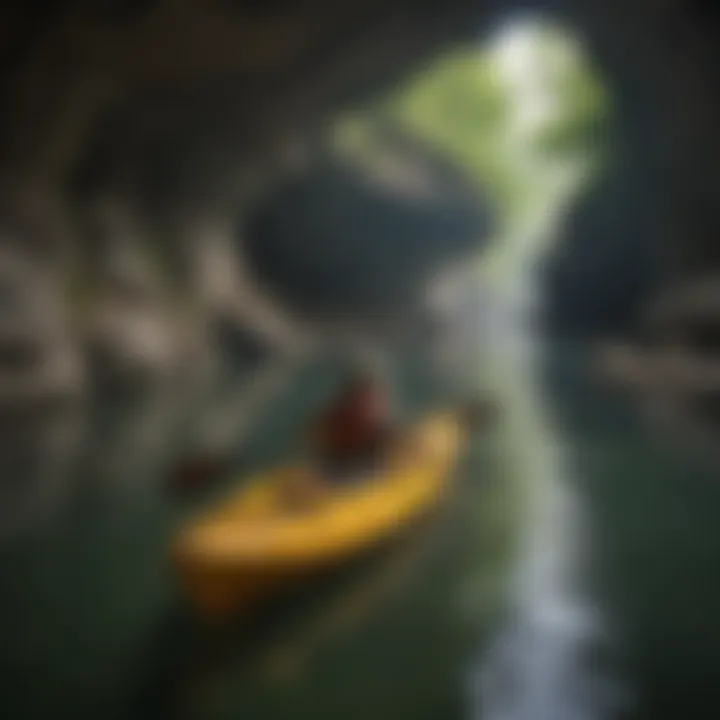
In sum, the intersection of human activity and delicate cave ecosystems presents both challenges and opportunities. Through mindful practices, kayakers can ensure that these hidden wonders remain preserved for the enjoyment and study of future explorers.
Conservation Efforts in Cave Environments
The conservation of cave environments in Kentucky is not just a matter of keeping the stunning aesthetics that attract kayakers and explorers; it’s a crucial component for maintaining the delicate ecosystems that thrive in these subterranean realms. Kentucky’s caves serve as essential habitats for a variety of species, some of which are endemic and can only be found in specific cave systems. Therefore, understanding and supporting conservation efforts is paramount in ensuring that future generations can enjoy these natural wonders.
Supporting Conservation Initiatives
Numerous organizations and local groups are dedicated to preserving Kentucky's unique cave ecosystems. These initiatives often focus on education, habitat restoration, and research which are vital to understanding the ecological impacts of recreational activities, such as kayaking.
Some notable conservation efforts include:
- Cave Research Foundation: Involved in scientific studies and exploration, this group contributes significantly to knowledge about cave ecology and geology.
- Kentucky Cave Survey: Works on documenting and mapping caves across the state, providing essential data to inform conservation practices.
- Local Environmental Nonprofits: Collaborate with state agencies to develop strategies that promote sustainable tourism while ensuring the protection of cave habitats.
People can support these initiatives by participating in volunteer days, donations, or simply spreading awareness about the importance of cave conservation. Each small action can contribute to a larger collective effort.
Role of Kayakers in Environmental Stewardship
Kayakers have a unique position when it comes to environmental stewardship in Kentucky's caves. They are not just visitors; they are stewards of these valuable ecosystems. By adopting responsible boating practices, kayakers can minimize their impact on delicate cave environments. Here are a few ways they can contribute:
- Leave No Trace Principles: Following the Leave No Trace guidelines helps ensure that gear, waste, and any other aspects of their visit do not pollute or disturb the cave habitats.
- Awareness of Local Species: By understanding and respecting the native flora and fauna, kayakers can make conscious choices that protect these species from disturbance.
- Reporting Issues: If kayakers observe anything harmful to the environment, such as pollution or invasive species, they should report these findings to the appropriate authorities or conservation groups.
Kayaking through caves can thus become not just an adventure but also a purposeful engagement with the environment. There’s a profound satisfaction that comes from knowing one is an active part of preserving these incredible ecosystems.
"To truly appreciate and enjoy our natural environments, we must first take on the responsibility to conserve them."
Consistent communication and collaboration between kayakers and conservationists can forge a brighter future for Kentucky's cave ecosystems. Understanding and supporting conservation initiatives not only enhances the enjoyment of kayaking adventures but also ensures these awe-inspiring natural wonders endure for decades to come.
Experiencing the Serenity of Kentucky’s Caves
Exploring Kentucky’s caves while kayaking offers a unique haven of tranquility, often overlooked by those drawn to the state’s more popular attractions. The stillness of these underground environments provides a stark contrast to the bustling world above. Each paddle stroke echoes off limestone walls, creating a symphony of soft sounds that allows one to immerse themselves fully in the moment. The cool cave air, with its earthy scent, enhances the sensation of escape and invites a deeper connection with nature.
Kayaking in these subterranean waterways is not just about adventure; it’s also about taking a breath and reflecting on one’s surroundings. Each journey through the caves reveals hidden niches adorned with stunning mineral formations, glistening under the diffused light. Observing these features encourages a contemplative mindset and sparks curiosity about how these landscapes formed over countless years.
Reflecting on the Journey
The journey through Kentucky’s caves can be both an outward exploration and an inner reflection. Many kayakers find that the calm waters promote a sense of peace, allowing thoughts to flow as freely as their paddles. It’s common for individuals to take a moment of silence, absorbing the stillness, which contrasts the fast-paced life elsewhere.
"Nature does not hurry, yet everything is accomplished." - Lao Tzu
When one ventures into the caves, they might consider the history encapsulated within those surrounding stones. Each stalactite and stalagmite tells tales of time and patience, mirroring one’s own personal journey through challenges and achievements. This introspection usually leads to a greater appreciation for both nature and life itself.
Incorporating Mindfulness into Adventure
Mindfulness can enhance the kayaking experience, making it not only an adventure but also a subtle form of meditation. The simple act of focusing on each paddle stroke can ground a person in the present moment, distracting them from everyday worries and anxieties. As one navigates through narrow passageways, the necessity to remain aware of physical surroundings fosters heightened alertness and appreciation for the intricate cave ecosystem.
Incorporating mindfulness might involve specific practices, such as:
- Breathing exercises before embarking on the journey, calming the mind.
- Observing the details of the environment, like the patterns on the water’s surface or the textures of cave walls.
- Acknowledging the feelings evoked by the surroundings, whether it’s awe, peace, or even a little apprehension.
Ultimately, the blend of adventure and mindfulness while kayaking in Kentucky’s caves creates a deeply fulfilling experience. Each trip can become more than just a recreational activity; it can serve as a pathway towards self-discovery, deepening one’s connection with both their inner self and the magnificent nature that surrounds them.
End: The Intersection of Adventure and Conservation
In the realm of outdoor recreation, few activities blend the thrill of adventure with a commitment to preservation quite like kayaking in the caves of Kentucky. This unique experience not only offers paddlers a chance to explore breathtaking natural formations but also provides an opportunity to reflect on the vital role that conservation plays in these remarkable ecosystems. As adventurous souls glide through the calm waters beneath the surface, they are reminded of the delicate balance between enjoying nature and protecting it for future generations.
Future of Kayaking in Kentucky’s Caves
With an ever-increasing interest in ecotourism, the future of kayaking in Kentucky's caves looks promising. It’s not just about the adrenaline rush; it’s about fostering a deeper connection with the environment. By engaging in such activities, kayakers can develop a greater appreciation for the ecosystems they traverse. Here are some considerations for how this adventure can evolve:
- Regulated Access: As popularity grows, it may be necessary to establish regulations to manage the number of kayakers in sensitive areas. Limiting access during certain seasons or times could help reduce environmental stress.
- Educational Programs: Integrating educational initiatives can inform kayakers on local ecosystems, endangered species, and conservation efforts. Knowledge sharing can inspire actions that contribute positively to environmental stewardship.
- Partnerships with Conservation Organizations: Collaboration between adventure companies and local conservation groups could foster initiatives that promote responsible kayaking. This may include organized clean-up days or workshops on sustainable practices.
- Technology and Apps: Developing mobile applications that provide real-time data about water quality, cave conditions, and wildlife sightings could enhance both safety and environmental awareness while paddling.
"Adventure often leads to reflection, and in the serene depths of Kentucky's caves, one cannot help but ponder their responsibility toward nature."
In summary, as enthusiasts venture into the serene beauty of Kentucky's caves, the need for a harmonious relationship between adventure and conservation becomes more evident. By prioritizing sustainability and responsible practices, those who paddle these waters can ensure that the hidden wonders beneath the surface remain intact for years to come.