Hummingbird Feeders and Hum Bug Management
Intro
The delicate balance between nature's beauty and its nuisances often leaves gardeners in a quandary. In particular, the allure of hummingbirds, graceful creatures that flit about like living jewels, brings both delight and difficulty to outdoor spaces. While the presence of hummingbird feeders acts as a magnet, attracting these captivating birds, it simultaneously becomes a beacon for hum bugs—those pesky fruit flies that seem to show up uninvited. This section aims to explore the fascinating interplay between nurturing hummingbirds and managing the hum bug population in gardens and yards.
Gardening enthusiasts may well find themselves at a crossroad, eager to attract stunning birds while maintaining a manageable ecosystem. Understanding hum bug behavior is essential; they’re typically drawn not just to decaying fruits but also to the sugary nectar that hummingbirds relish. Part science, part craft, this endeavor involves careful feeder maintenance, eco-friendly pest control methods, and the embracing of sustainable practices. By the end of the discussion, readers should walk away with an insightful understanding of how to foster both delicate birds and a healthy garden environment.
Understanding Hummingbird Feeders
When it comes to hummingbird feeders, the significance goes beyond just attracting these colorful birds. They play a pivotal role in maintaining the balance of local ecosystems, especially for those who cultivate gardens. By understanding the various elements associated with hummingbird feeders, we can better appreciate their functions and benefits.
Basic Structure and Function
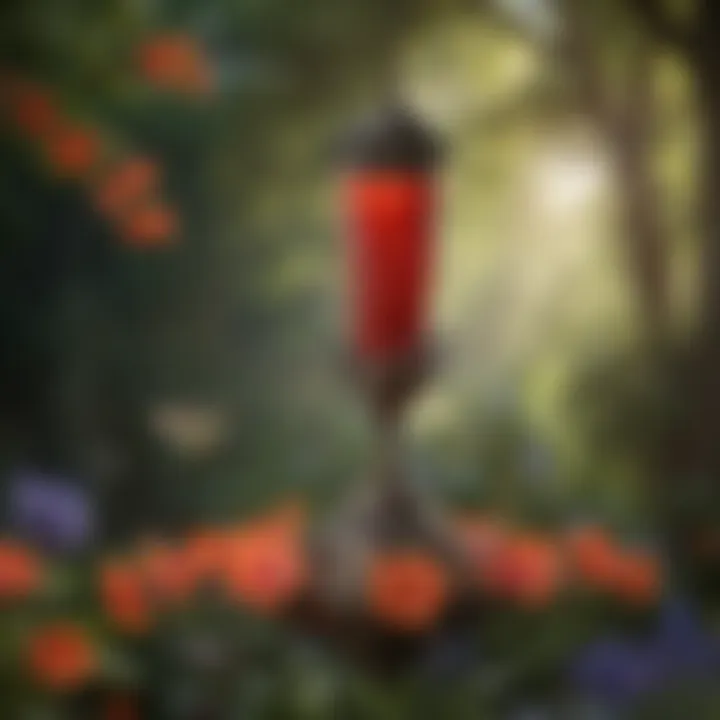
Hummingbird feeders are designed specifically to cater to the unique feeding habits of these birds. Typically, they consist of a reservoir for nectar, feeding ports for access, and sometimes a perch where hummingbirds can rest while they drink. The function is straightforward, yet the structure has been optimized over time.
For starters, the choice of colored materials like red enhances visibility for the hummingbirds, as they are attracted to vibrant hues. Other materials are considered to be more human-friendly, making them easier to clean, which is crucial for maintaining a healthy feeding environment. Keeping the feeders clean ensures that mold or bacteria does not develop, which can be detrimental to the birds.
Types of Hummingbird Feeders
There are various types of feeders to suit different needs and preferences. Each design has elements that could either attract more birds or how easy they are to maintain.
Oriole Feeders
Oriole feeders are distinct due to their larger feeding ports and typically, a wider basin for nectar. These feeders are aimed at not just hummingbirds but also orioles and other nectar-feeders. The bright colors and extra capacity attract more than just one species, making them versatile. However, their design can lead to quicker depletion of nectar due to larger bird visits, requiring owners to be more vigilant in maintenance.
Tube Feeders
Tube feeders are a popular choice because they resemble a long tube filled with nectar. This style allows hummingbirds to feed using their long beaks effectively. One of the benefits is that they generally require less frequent filling than other types due to the design's capacity. However, the openings could sometimes be a little too narrow for larger birds, limiting species visiting.
Window Feeders
Window feeders are mounted directly onto glass panes and are a treat for those who want a close-up view of their feathered visitors. While they are quite easy to fill and clean, positioning can sometimes deter visits if inside animals like cats are present. The unique feature is how they allow for very interactive birdwatching experiences, but off-angles can affect accessibility for some birds.
Chalet Style Feeders
Chalet style feeders are particularly eye-catching; they often have a more artisan appearance, resembling miniature houses. These feeders can hold more nectar and often come with multiple feeding ports. However, their design can also complicate cleaning, as the nooks and crannies may harbor mold and bacteria. Hence, while they serve aesthetic functions, they do require diligent maintenance.
Ideal Locations for Feeders
Hummingbird feeders should be placed strategically to maximize their attractiveness. Ideally, they should be hung in spots that receive sunlight for a good portion of the day, making the nectar warm and more appealing. Also, nearby shrubs or flowers can provide cover and additional food sources.
Feeding Solutions for Hummingbirds
Feeding solutions primarily come down to the type of nectar provided. Most people default to a mix of sugar and water, but there are alternatives.
Homemade Nectar Recipes
Homemade nectar recipes, combining four parts water and one part sugar, can be created easily in a kitchen. This option avoids harmful additives, ensuring a safe and natural food for the birds. However, sugar types can influence the nectar's quality, so it’s best to stick with plain white sugar.
Commercial Nectar Options
Commercial nectar options are prevalent in stores, often marketed as more convenient. These products usually contain colorants and preservatives, which can lead to safety concerns. While they may be easier to use, relying on them could potentially disrupt the natural feeding habits of hummingbirds.
The Role of Hummingbirds in Ecosystems
Understanding the role of hummingbirds in ecosystems is crucial, not only for appreciating their beauty but also for recognizing the benefits they bring. These unique avian creatures are often seen zipping from flower to flower, and their inherent behaviors provide essential ecological services that support a variety of plant and animal life.
Pollination Services
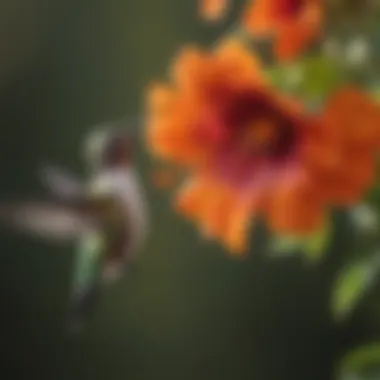
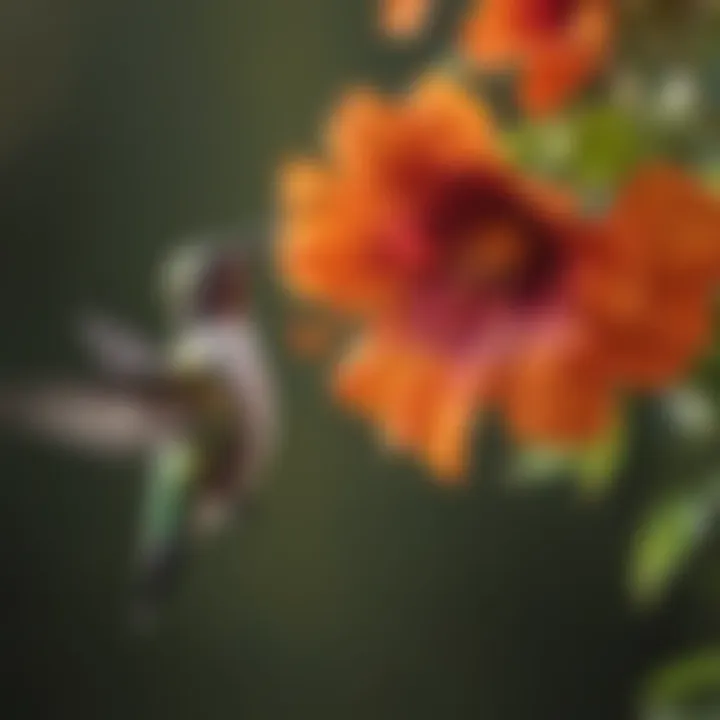
Hummingbirds are not merely captivating; they are also remarkable pollinators. Their adaptations, such as long, slender bills and specialized tongues, allow them to access nectar from flowers that many other pollinators cannot reach. When they visit a bloom, they inadvertently collect pollen on their heads and beaks. As they continue their nectar quest, they transfer this pollen from one flower to another, facilitating fertilization.
This relationship is pivotal for many flowering plants, including those vital to agriculture. For example, crops like peppers, tomatoes, and various berries can see improved yields due to hummingbird activity. Their efficiency in pollination means that gardens and farms with hummingbird feeders can promote a vibrant growth cycle.
"Hummingbirds support a broad range of plants, creating a ripple effect in biodiversity that benefits entire ecosystems."
Biodiversity and Habitat
The presence of hummingbirds can significantly enhance biodiversity in a given area. They are most effective in habitats that include a variety of flowering plants, often leading to a more diverse community of flora and fauna. When hummingbirds thrive, they promote the growth of specific types of plants that provide food and shelter for other species.
Moreover, hummingbirds are indicators of healthy ecosystems. A flourishing hummingbird population usually signifies a balanced environment. The habitats these birds favor—from tropical rainforests to arid deserts—showcase the resilience and adaptability required to accommodate diverse life forms.
Supporting these creatures by maintaining hummingbird feeders not only nurtures their populations but fosters an ecological equilibrium, thereby enriching the habitats around us.
In summary, the role of hummingbirds in ecosystems extends beyond mere pollination; they are fundamental pillars of biodiversity and health in our gardens and wider environments. Maintaining their habitats with feeder placement and supporting their presence has a cascading effect on the ecological landscape.
Challenges with Hum Bugs
The presence of hum bugs in gardens and areas populated with hummingbird feeders introduces significant challenges that require farmers and nature enthusiasts to navigate. Hum bugs, often overshadowed by the more glamorous hummingbirds, possess a unique set of characteristics that can, if left unchecked, disrupt the harmony of a garden.
Identifying Hum Bugs
Identifying hum bugs involves recognizing their distinct features, which can significantly assist in preventing their proliferation. These tiny nuisances aren’t very large, often measuring only a few millimeters in length, and are usually found in the vicinity of ripe or decaying fruit and other organic matter. Their body is frequently a mix of yellow-brown hues, often with shiny spots that can go unnoticed if one isn’t careful.
- Visual Identification: A proper identification should start with an observant eye. Look for small flies with rounded bodies that may seem to swirl around your feeder during warmer months.
- Location keeps a critical role in this. If you see lots of little, darting flies hovering over your fruit or near your feeder, you’re likely in the presence of hum bugs.
- Behavioral Patterns can also guide identification. Hum bugs are often seen buzzing around when the sun is shining, usually becoming less active during cooler temperatures.
In essence, knowing what to look for allows one to act swiftly, managing these critters before they lead to larger issues.
Lifecycle and Habitat
Understanding the lifecycle and habitat of hum bugs provides critical insights that can facilitate effective control measures. These insects have a seemingly straightforward lifecycle, which complicates their management. Female hum bugs lay eggs on suitable substrates, like overripe fruit or moist soil. Once the larvae hatch, they feed voraciously on these organic materials, completing their development into adult forms.
The entire cycle—from egg to adult—can take place within a matter of weeks, especially in warm weather. This rapid reproduction hints at the importance of timely intervention. Some critical elements to consider include:
- Habitat Preferences: Hum bugs thrive in warm environments rich in organic material. Gardens with excess compost, rotting fruit, or damp patches often become sanctuaries for them.
- Timeframe for Management: Knowing that their lifecycle is short means regular inspection of potential breeding grounds is vital. Practicing a proactive approach can greatly reduce their numbers.
- Impact on Surroundings: While they seem harmless at first glance, their presence can invite other pests or influence the behavior of birds drawn to feeders. Keeping an eye on those feeders can inform the gardener when the hum bugs start making an appearance.
"Awareness of the lifecycle stages of hum bugs opens pathways to targeted interventions, creating an ecosystem that supports hummingbirds while mitigating potential nuisances."
Impact of Hum Bugs on Gardens
Understanding the impact of hum bugs, which are often seen flitting around our gardens, is essential for anyone looking to maintain a vibrant outdoor space. These small pests may seem harmless at first glance, but their presence can affect the overall health of the garden, particularly when hummingbird feeders are involved. Not only do they compete for resources with healthier plant life, but they can also detract from the enjoyment and aesthetics that one seeks in a successful garden.
Behavioural Patterns of Hum Bugs
Hum bugs, often spotted buzzing around ripe fruit, have specific behaviours that can be quite detrimental to plants. They tend to be quite social, gathering in large numbers when they locate a food source. This behaviour can lead to quick overpopulation, which can make managing them challenging. As they swarm around your beloved flora, they can cause the following issues:
- Feeding habits: Hum bugs are drawn to sweet scents, especially that of decaying fruit, which can lure them to your plants. If they find themselves attracted to your garden, this can lead to the fruits and veggies being damaged.
- Reproduction: They reproduce rapidly. A single female can lay hundreds of eggs, and within a week, the next generation is ready to continue the cycle of destruction.
Observing these patterns in your garden can help in identifying when and where preventive measures are needed. Keeping an eye on these pests could save your more precious plants from their hungry appetites.
Potential Threats to Plants
The relationship between hum bugs and your plants is decidedly antagonistic. They can serve as vectors for diseases that might spread among your garden plants. When these insects interact with plant material, they transfer bacteria and fungi, which can lead to severe problems for the plants, translating into wilting leaves and poor growth. Here are some potential threats that hum bugs present:
- Disease Transmission: As previously mentioned, they can inadvertently carry pathogens from one plant to another, introducing disease to an otherwise healthy garden. This transmission could lead to crop failures in more extensive planting scenarios.
- Spreading Decay: Their attraction to overripe fruit not only leads them to damage healthy plants but can also accelerate the decay of already damaged ones. When this happens, they can pave the way for mould and rot to set in.
- Resource Competition: They consume nutrients and liquids from the plants, essentially competing for the same resources that your desired plants need in order to thrive. In a sense, they’re nabbing dinner right off the table.
"When neglected, even small pests like hum bugs can grow into significant threats, resulting in cumulative damage to your landscape."
In summary, understanding the impact that hum bugs have on gardens is critical for those wanting to cultivate flourishing spaces full of life. By recognizing their behaviour patterns and the potential threats they can pose, you can implement more effective control measures to protect your vibrant plants and maximize the success of your gardening efforts.
Preventive Strategies for Hum Bug Control
The significance of preventive strategies in managing hum bugs cannot be understated. These pesky insects can disrupt not only the enjoyment of a garden but also the delicate balance between hummingbirds and the ecosystem. Keeping hum bugs at bay while attracting hummingbirds is a task that requires thoughtfulness and patience. Preventive strategies serve as essential tools, ensuring that the garden remains harmonious and beneficial for both bees and flowers alike. As a result, gardeners can truly enjoy the beauty that comes with a well-maintained environment.
Maintaining Hummingbird Feeders
Cleaning Frequency
Cleaning hummingbird feeders is a core aspect of effective maintenance. It’s not just about keeping them looking spick and span; the right cleaning frequency plays a pivotal role in hum bug control. If a feeder isn’t cleaned regularly, sugar water can ferment, becoming a breeding ground for hum bugs. That's a definite invitation for trouble.

For optimal results, it is recommended to clean the feeders at least once a week, especially during the warmer months when the risk of fermentation spikes. A good characteristic of this frequency is that it prevents mold and yeast growth, ensuring that the nectar stays fresh.
However, a unique feature of frequent cleaning is the time commitment it requires. Many gardeners might find it tedious, but it is a beneficial practice that supports the overall health of the birds and keeps hum bugs at bay. The trade-off here is clear: a little time and effort can lead to a flourishing yard filled with vibrant activity.
Feeding Schedule
An equally vital aspect is the feeding schedule. Establishing a consistent feeding schedule not only ensures that the hummingbirds have continuous access to nectar but also minimizes the chance of nectar sitting out for too long, which can draw in unwanted hum bugs. Ideally, feeding time should coincide with sunlight hours, ensuring that the nectar is fresh and appealing.
Additionally, a good characteristic of a well-structured feeding schedule is that it encourages regular visits from hummingbirds, allowing their presence to enhance the garden environment. One unique feature is the potential for creating a routine that the birds can rely upon.
However, it’s important to note that if nectar does remain out too long on particularly hot days, even the best schedules won’t fully eliminate the risk of fermentation. Balancing the flow of feeding times thus remains an integral part of hum bug control strategies.
Plant Selection and Arrangement
Selecting the right plants and arranging them thoughtfully is another strategy that greatly contributes to managing hum bugs and creating a favorable environment for hummingbirds.
Nepeta Species
Nepeta, often known as catmint, has many perks worth considering when managing garden pests. Not only is it a magnet for pollinators, including hummingbirds, but its strong aromatic profile may deter hum bugs. This feature makes Nepeta a popular choice in gardens aiming for biodiversity while controlling pest populations. The key characteristic is its vibrant purple blooms that not only attract hummingbirds but also bring a splash of color to the garden.
However, it’s important to be aware that Nepeta can spread quickly if not kept in check. While its rapid growth is generally an advantage, this aspect requires gardeners to stay vigilant and maintain a balance to prevent it from overshadowing other plants.
Mint Varieties
Mint varieties, widely regarded for their strong scents, also serve to repel hum bugs effectively. The volatile oils released by mint can confuse and deter these insects, making it a popular choice for pest control. Its fast-growing nature is beneficial in filling garden spaces and enriching the soil.
But there’s a catch. Like Nepeta, mint can become invasive if not properly managed. Maintaining a controlled environment around mint plants is essential if they are to be included as part of a garden strategy. It's a matter of weighing its many advantages—like attracting both hummingbirds and beneficial insects—against its potential to overtake the more delicate plants.
A well-kept garden, attentive to detail and selection, can thrive as a livable space for all its inhabitants.
Sustainable Practices for Gardening
Companion Planting
Companion planting, a technique as old as the hills, involves grouping different plants that can benefit each other when grown in proximity. This method can be especially useful in a garden designed to attract hummingbirds while keeping hum bugs at bay. For instance, planting marigolds near hummingbird feeders can help deter certain pests, including hum bugs, thanks to their natural insect-repelling properties.
Moreover, varieties of herbs like basil and peppermint can be paired with flowering plants to invite more pollinators, including hummingbirds, while naturally reducing the presence of unwanted insects. Utilizing these plants not only beautifies the garden but also creates a healthy habitat that encourages the delicate balance necessary for both birds and flora. The main consideration here is selecting plants that complement rather than compete for resources, ensuring that both birds and plants can flourish.
Here are some effective companion planting pairs:
- Basil and Tomatoes: Attracts birds and repels certain pests.
- Nasturtiums and Peppers: Bright colors draw hummingbirds while deterring aphids.
- Chives and Roses: Protect roses from pest insects while enhancing their beauty.
Organic Pest Control Methods
Beyond companion planting, organic pest control methods are invaluable in curbing hum bug populations without harming beneficial insects or birds. These practices emphasize a hands-on approach, and gardeners can choose from a variety of natural remedies that are easier on the environment.
Some favored organic pest control methods include:
- Neem Oil: A natural pesticide derived from the seeds of the neem tree. It disrupts the lifecycle of pests, including hum bugs, without harming hummingbirds.
- Diatomaceous Earth: This powdery substance can be sprinkled around the base of plants. It acts as a barrier against soft-bodied insects by desiccating them without chemicals.
- Insecticidal Soap: A targeted treatment made from natural plant oils and fats. It’s effective and minimizes the risk to both plants and pollinators.
By implementing these methods, gardeners not only minimize pest issues but also create a positive environment for hummingbirds. Reducing chemical use protects these aviary wonders while establishing a space where flora can bloom, and insects — as part of the larger ecosystem — can thrive as well.
"Creating a sustainable garden is like tuning an orchestra. Each plant, insect, and visitor must play its part in harmony to achieve the best performance."
Engaging in sustainable practices is not a one-size-fits-all endeavor. Each garden has unique circumstances that call for tailored approaches. Nevertheless, by understanding the principles of organic garden management and the role of companion planting, one can design a flourishing ecosystem that supports both the mesmerizing charm of hummingbirds and the necessary control of hum bugs.
Observing Hummingbirds and Hum Bugs
Observing hummingbirds and hum bugs provides valuable insights into their behaviors and interactions within the garden ecosystem. This observation is not merely for enjoyment; it serves as a practical tool for gardeners and nature enthusiasts aiming to maintain a balance where both these creatures coexist harmoniously. By understanding their patterns and preferences, one can make informed decisions on feeder placement and pest management, thus enhancing the overall health of their gardening space.
Hummingbirds are famed for their agility and vibrant colors, while hum bugs, often seen buzzing around fruit and flowers, play their own role in the chain of life, albeit less aesthetically pleasing. By paying close attention to the activities of both, one can glean beneficial strategies for attracting the former while deterring the latter.
Creating a Suitable Environment
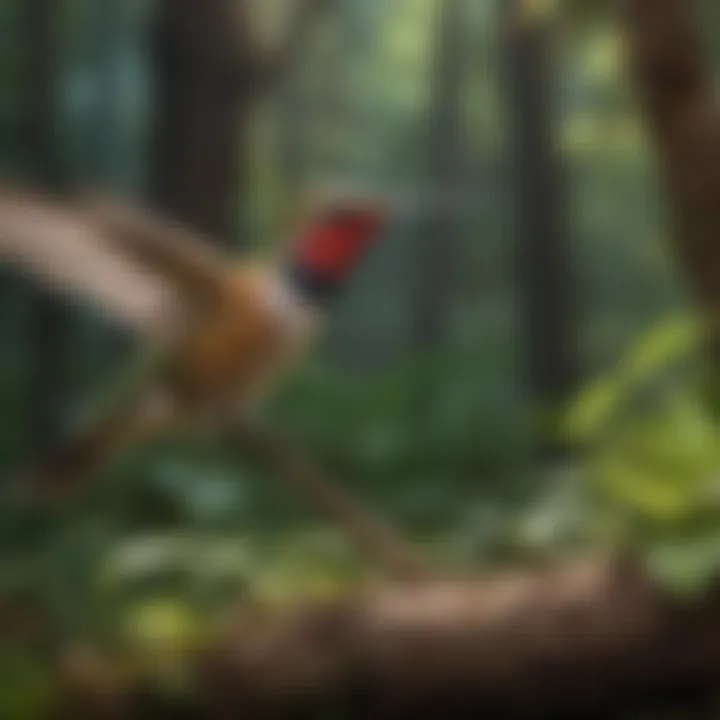
To foster a thriving environment for hummingbirds, it's essential to consider various factors that can help in making your garden more inviting for these avian visitors. Here are several components you might want to include in your garden design:
- Flower Variety: Incorporate a range of nectar-producing plants such as trumpet vine, bee balm, and salvia. These attract hummingbirds by providing sustenance.
- Water Sources: Setting up bird baths not only helps thirsty hummingbirds but also gives a space where they can socialize and display their colors.
- Hiding Spaces: Ensure there are sheltered spots where hummingbirds can perch and observe their surroundings safely. This reduces the stress of predation.
- Sunlight: Position your feeders in areas that receive sunlight for part of the day, prompting hungry hummingbirds to visit more frequently.
Additionally, managing the environment for hum bugs is just as crucial. Keeping fallen fruits and decaying organic matter cleared not only helps in maintaining a tidy garden but significantly reduces the chances of hum bugs appearing in droves.
Effective Observation Techniques
When it comes to observing these fascinating creatures, a few techniques can enhance your experience and the data you gather:
- Patience is Key: Spend time in your garden, understanding that both hummingbirds and hum bugs have their schedules. Early morning or late afternoon often yields the best activity.
- Quiet Spaces: Finding a quiet spot, perhaps behind a bush or from a distance, allows for natural behavior to unfold without interference.
- Note Taking: Keep a notebook handy. Jot down observations like feeding times and behavioral interactions—this can help in recognizing trends and making timely adjustments to feeder setups or pest control methods.
- Photography: Using a zoom lens on your camera keeps you distant while preserving clear visuals of the birds. These photos can assist in identifying species and their habits.
- Community Engagement: Join online communities such as those found on Reddit or Facebook dedicated to gardening and bird watching. Sharing your findings and getting tips from experienced hobbyists can broaden your perspective.
"Observation is more than just looking; it's understanding the intricacies of nature, revealing how interconnected life can be."
By integrating observation techniques into your gardening practices, you can cultivate a holistic understanding of how to attract hummingbirds while managing hum bugs. This dual-focus not only enhances your own gardening experience but contributes positively to the broader ecosystem as well.
The Cultural Significance of Hummingbirds
Hummingbirds hold a profound place within various cultures globally, embodying a multitude of symbolic meanings and stories that endear them to people. Their remarkable agility, vibrant colors, and ability to hover in mid-air have not only captured the attention of nature enthusiasts but also inspired countless myths, traditions, and artistic expressions. Understanding this cultural significance shines a light on the underlying appreciation for these creatures and their role in ecological balance.
Symbolism in Various Cultures
Hummingbirds symbolize different concepts across cultures. Many Native American tribes view them as symbols of love, joy, and happiness. For instance, the Hopi people see the hummingbird as a messenger and a bringer of good luck. Furthermore, these birds often represent beauty and resilience; they navigate profound challenges yet continue to thrive.
In contrast, cultures in South America attribute unique traits to hummingbirds, considering them emissaries of spirits or ancestors. In Mayan mythology, they were believed to be the descending souls of warriors. Their nimble flight and vibrant plumage often make them a part of artistic representations depicted in textiles and pottery.
In other parts of the world, the hummingbird is celebrated for its role in pollination, highlighting its significance in both cultural and ecological contexts.
"The hummingbird teaches us to rejoice in life and to remain buoyant amidst life's challenges."
Conservation Efforts
With growing awareness of environmental issues, many cultures are taking collective strides to ensure the well-being of hummingbird populations. Organizations and local communities alike are rallying for conservation efforts to protect their habitats while also raising awareness about their ecological roles. The creation of hummingbird-friendly gardens has become quite popular. These gardens use native plants that not only attract hummingbirds but also support whole ecosystems.
Basic practices include:
- Planting native flowering species that bloom throughout the seasons.
- Reducing pesticide usage that threatens both hummingbirds and their food sources.
- Supporting local conservation groups that work to protect key habitats.
Hummingbird sanctuaries and reserves are also becoming increasingly vital for conservation, providing safe havens for these delicate creatures away from habitat destruction and climate change impacts. Alongside government regulations, grassroots movements are key to educating the public about the necessity of preserving these small but significant birds.
In summary, hummingbirds are much more than just beautiful creatures. They hold cultural significance that varies by region while also standing as icons of biodiversity and conservation efforts in various societies. Recognizing this significance enhances our appreciation for hummingbirds and underscores the importance of maintaining the delicate balance within our ecosystems.
The End: A Delicate Balance in Nature
The interplay between hummingbird feeders and the management of hum bugs is a critical topic for understanding not just individual species, but entire ecosystems. Hummingbirds, often drawn to feeders, rely on nectar sources to sustain their energy levels, while gardeners face the challenge of hum bugs proliferating in the same environments. The conclusion is quite simple: the presence of one species affects the other, making it essential to find common ground.
In a well-managed garden, hummingbirds serve a dual purpose. Their feeding habits assist in pollination, which benefits both native plants and cultivated species. Conversely, hummingbird feeders can inadvertently attract hum bugs, which can harm plants and create a pestiferous environment. So, how do gardeners achieve balance?
First, understanding the ecology at play is vital. The relationship between hummingbirds and hum bugs exemplifies the broader intricate web of interdependencies in nature. Each species has its role, and changes to one can ripple throughout the ecosystem. Selecting appropriate plants and maintaining clean feeders can create a harmonious space where both hummingbirds and gardens thrive, mitigating negative impacts from pests.
Moreover, the feedback loop established through proper stewardship can enhance biodiversity. By planting nectar-rich flowers alongside strategic feeder placement, one can lure in these colorful birds while keeping hum bug populations in check. Smart planting, focusing on native flora, could serve to detract hum bugs, creating a more pleasant habitat while still drawing in their hummingbird companions.
To recap, the delicate balance in nature hinges on a variety of factors, including:
- Careful selection of feeder types and locations.
- Awareness of local hum bug populations and behaviors.
- Implementation of sustainable practices that uphold the integrity of both hummingbirds and plants.
By merging knowledge about the needs of both species, gardeners can effectively manage their spaces to benefit the greater ecosystem. The responsibility lies with us to cultivate environments that respect and nurture the intricate ties that bind life together.
"In gardening as in life, balance is key to harmony. Without it, chaos reigns."
The Interdependence of Species
The interdependence of species is not just an abstract concept but a tangible reality observable in our gardens. Hummingbirds and hum bugs illustrate this perfectly; while one thrives on sugary solutions, the other may feed off fermenting fruits that can attract unwanted pests. This relationship showcases how species can either complement or challenge each other's existence, echoing the age-old adage: every action has a reaction.
When we consider the intricate roles played by these creatures, the importance of biodiversity cannot be overstated. Promoting a diverse ecosystem encourages resilience. Though hum bugs can pose problems, their role as recyclers in the ecosystem makes them valuable. They help decay organic material, which enriches the soil and provides nutrients for new plant growth. Hummingbirds, on the other hand, are essential for pollination, helping to sustain floral populations that provide habitats and food sources for other animals.
However, to ensure that all species coexist peacefully in our yards requires intentionality and consideration. Here are some points to consider about the interdependence of species:
- Ecosystem Services: Both hummingbirds and hum bugs offer vital services. While hummingbirds pollinate, hum bugs contribute to decomposition and nutrient cycling.
- Resource Competition: Awareness of resource competition is crucial. A high concentration of feeders could attract excess hum bugs, overwhelming your plants and negating the benefits of having hummingbirds around.
- Management Practices: Practices that support one may inadvertently hinder the other. For instance, using certain pesticides can harm hummingbirds while aiming to control hum bugs.
In closing, the interdependence of these species serves as a reminder of the complexity of life. The delicate balance maintained through thoughtful gardening can lead to thriving ecosystems where all interactions are respected and promote overall health and sustainability.