Discover Grand Canyon Picnic Areas: A Comprehensive Guide
Intro
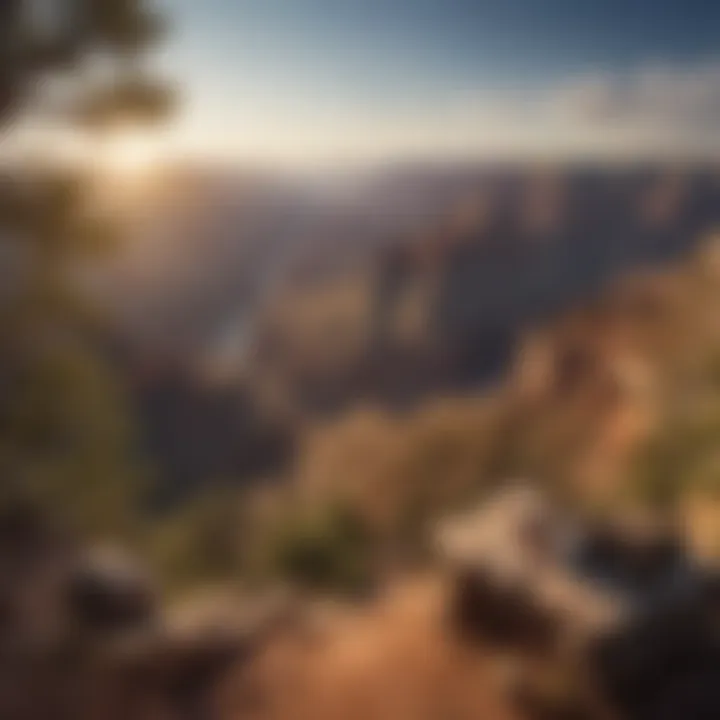
The Grand Canyon is a geological marvel, offering not just breathtaking views but also a plethora of picnic spots that allow visitors to savor the essence of the great outdoors. As you set your sights on enjoying a meal in this stunning environment, knowing the different areas, their amenities, and unique characteristics can enhance the experience significantly. From bustling areas filled with laughter to secluded nooks where you can hear the rustling leaves, this guide serves you with a comprehensive look into the best picnic areas throughout the Grand Canyon.
Each corner of this majestic wilderness tells a story. You’ll find a variety of landscapes, from towering cliffs to serene rivers. The diversity of flora and fauna adds layers to these picnic spots, elevating the experience beyond mere meals. Understanding the basics of picnic etiquette is also crucial, as preserving the beauty of nature means taking care of it. The aim is to make your outdoor meal not just a bite to eat but a memory—the kind that lingers long after the last crumb is gone.
As you unfold the details in the upcoming sections, expect to explore not just the picnic sites themselves but also what makes them special, from their accessibility to the surroundings that can turn a simple lunch into an unforgettable event.
Evergreen Trees Species
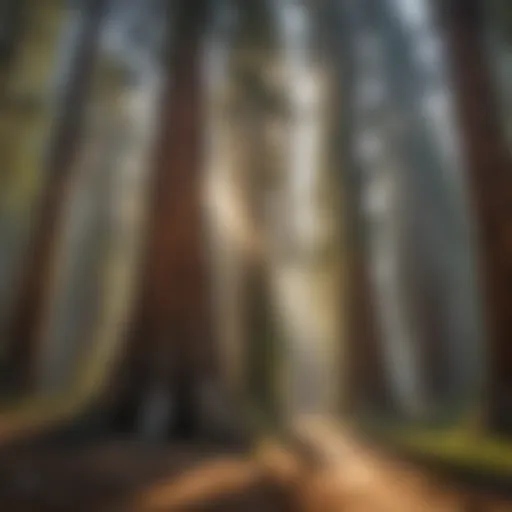
The Grand Canyon features an array of evergreen trees that play an integral role in its ecosystem. These trees do not only add to the scenic beauty but also serve numerous environmental functions.
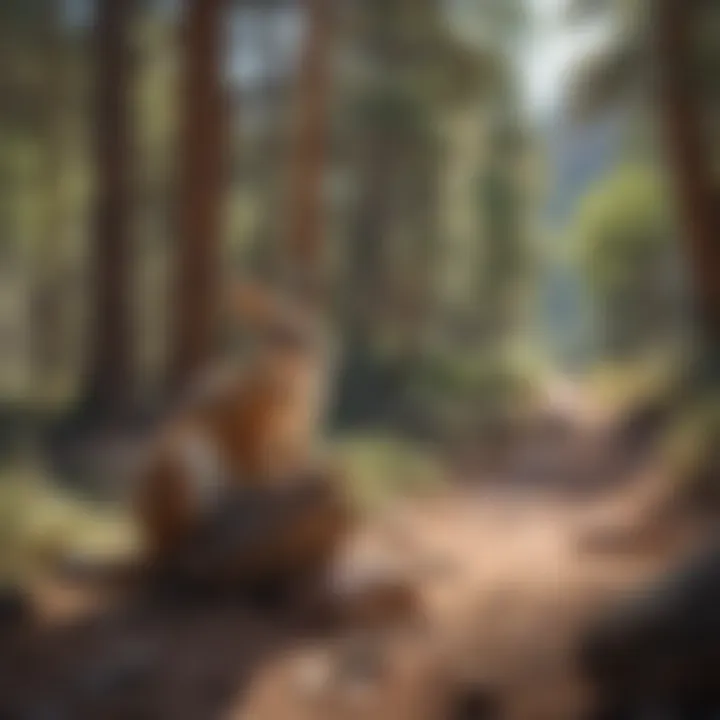
- Types of Evergreen Trees: Varieties such as Ponderosa Pine, Douglas Fir, and Juniper can be observed here, each offering a unique aesthetic and habitat for a host of wildlife. The Ponderosa Pine, with its tall stature and characteristic bark, tends to dominate many regions, while the Douglas Fir thrives in cooler areas.
- Ecological Significance: Evergreens contribute to oxygen production, stabilization of soil, and wildlife habitats. They provide essential shelter and food for birds and small mammals, ensuring that the ecosystem remains balanced. Without these trees, the area would quickly lose its charm and intricate biodiversity.
- Conservation Practices: Protecting these trees is vital for maintaining the ecological integrity of the Grand Canyon. Several conservation initiatives focus on reforestation and maintaining healthy populations of these species. Educating visitors about responsible recreation can also significantly contribute to the preservation of the natural habitats.
Ending
In the end, understanding the various elements of picnic areas around the Grand Canyon enriches the experience significantly. Observing the evergreen trees and engaging with the environment while enjoying a meal provides a connection to both nature and the ecosystem. By respecting these areas and learning how to navigate them wisely, outdoor enthusiasts can leave no trace, ensuring that future visitors can enjoy the beauty that the Grand Canyon has to offer.
Prolusion to Grand Canyon Picnic Areas
Picnicking in the Grand Canyon is more than just finding a spot to eat. This activity provides a unique opportunity to engage with one of the most stunning landscapes on Earth. By choosing the right picnic area, visitors not only savor their meal but also connect with nature in a profound way. The quiet rustle of leaves, the distant call of a bird, and the sheer majesty of the cliffs serve as a backdrop for shared moments and personal reflection.
A proper introduction to the Grand Canyon's picnic areas emphasizes the various factors that enhance the overall experience. This guide explores vital details like accessibility, amenities, and proximity to scenic views, all of which contribute to making the picnic experience enjoyable and memorable. Each picnic area has its own charm, whether that’s dramatic viewpoints or tranquility away from the crowded tourist spots.
Overview of the Grand Canyon as a Natural Wonder
Stretching over 277 miles and with depths reaching over a mile, the Grand Canyon is a testament to the power of natural forces. Formed over millions of years, its stunning layers of rock reveal geological stories that date back billions of years. Those vibrant hues of red, orange, and brown create a visual feast that attracts over six million visitors each year.
Not just a picturesque sight, the Grand Canyon is home to diverse ecosystems, from desert scrub to lush riparian zones. This natural wonder supports a rich variety of flora and fauna, some of which exist nowhere else on the planet. Places like the Kaibab National Forest and the Colorado River flowing through the canyon add to its ecological richness. Here, the experience of picnicking becomes intertwined with the remarkable biodiversity that defines the area and offers visitors a chance to appreciate the stunning landscape.
Cultural and Historical Context
The Grand Canyon holds profound cultural significance as well. For centuries, it has been a sacred site for Native American tribes such as the Havasupai and the Hopi. Their history is woven into the land, and certain areas of the canyon continue to be integral to cultural practices and traditions. Understanding this context deepens the experience of being in the canyon—visitors can reflect on the spiritual relationship indigenous peoples have with this mighty landscape.
From a historical viewpoint, the Grand Canyon drew attention during the westward expansion of the United States in the 1800s. Early explorers like John Wesley Powell paved the way for later generations to appreciate the geological marvel. Today, this history is preserved through ongoing research efforts and educational programs that highlight the importance of respecting both cultural heritage and the natural environment.
Visiting the Grand Canyon for a picnic isn't just an afternoon activity; it's an immersion into a natural masterpiece where history, ecology, and personal contemplation come together. Whether you come for the views, the history, or simply to enjoy a meal with loved ones, the canyon offers layers of experience that enrich one's time spent within its majestic confines.
Essential Considerations for Picnicking
When planning a picnic in the stunning expanse of the Grand Canyon, it’s crucial to take into account several essential factors that can shape the experience. This section emphasizes the significance of thoughtful preparation and informed choices, ensuring that your time spent in nature is not only enjoyable but also safe, sustainable, and respectful of this extraordinary environment. By acknowledging critical aspects such as location, weather, and necessary regulations, visitors are better equipped to fully immerse themselves in the grandeur surrounding them.
Location and Accessibility Factors
Choosing the right location for your picnic is often a balancing act between accessibility and scenic beauty. The Grand Canyon offers a myriad of areas to spread a blanket and feast, but not all spots are equally accommodating. When evaluating these locations, consider how easily you can reach them. Some picnic areas, like Mather Point, are a stone’s throw from popular viewpoints, making them a breeze for families with young children or individuals with mobility challenges. Others, like the Desert View area, offer picturesque overlooks but may require a little more trekking through uneven terrain.
Additionally, underground conditions must be factored in. Not all roads are well-maintained, and seasonal rains can lead to muddy pathways or even temporary closures during peak monsoon months. Do some legwork by checking with park service updates ahead of your visit to ensure accessibility and avoid any surprises that might hamper your plans.
Weather and Seasonal Variations
The weather at the Grand Canyon can be as unpredictable as a roll of the dice and varies significantly from one season to another. In the hotter months, temperatures can soar above 100°F (38°C) at the canyon's rim, while the inner canyon remains decidedly cooler due to its elevation. It's advisable to consider the season when arranging your picnic; spring and fall are often ideal for mild conditions and stunning views without sweltering heat.
Snow is not uncommon in the winter, particularly at the rims. If you plan to picnic during these months, be prepared for cold weather with appropriate gear. Quick weather updates can be invaluable, as conditions can shift abruptly. Utilizing resources like the National Weather Service can help you keep your plans intact while enjoying a safer outing.
Permits and Regulations
Engaging with the natural beauty of the Grand Canyon comes with obligations that visitors must be aware of. Picnicking regulations are in place to protect both the park and its visitors. Generally, a permit is not needed for day use in designated picnic areas. However, specific spots may have restrictions based on environmental concerns or high traffic.
Familiarize yourself with the Leave No Trace principles, which underline essential behaviors that help minimize human impact on the environment. This may include proper waste disposal, adhering to set fire regulations, and respecting wildlife. Violating park rules can lead to fines and spoil the enchanting charm of this pristine wilderness. It’s a small effort that goes a long way towards preserving the grand tapestry of scenery and ecosystems for future generations.
"Respecting regulations isn't just about following the law; it’s about being a steward of nature, ensuring that others can also experience its wonders."
By carefully considering location, weather, and regulations, visitors can elevate their picnicking experience into something that transcends a simple meal outdoors, creating a true communion with the grandeur of the Grand Canyon.
Popular Picnic Areas within the Grand Canyon
When thinking about the Grand Canyon, it’s easy to get lost in its vast expanse and breathtaking views. However, picnic areas serve as more than just a spot to enjoy a packed lunch; they offer a unique opportunity to connect with nature in a more intimate way. These picnic spots cater to a variety of visitors, ensuring there’s something for everyone—from families seeking a day outdoors to nature enthusiasts looking to absorb the tranquility that the canyon has to offer.
Mather Point Picnic Area
Unique Features and Viewpoints
Mather Point stands out as one of the most iconic vistas in the Grand Canyon. What makes this area truly special is its unobstructed views of the canyon’s intricate formations. Visitors often remark that standing at Mather Point feels like teetering on the edge of the world. With the sheer cliffs below and the endless rock formations stretching towards the horizon, it’s hard not to feel tiny in the presence of such grandeur.
Additionally, the access to several trails makes the area a gateway for explorations. You can snack on your lunch surrounded by the sights that inspired artists and adventurers alike. However, be mindful that in peak seasons, Mather Point can become quite crowded, which might detract from the serene experience that many seek.
Amenities and Facilities
In terms of amenities, Mather Point has facilities that enhance the picnicking experience. Restrooms are readily available, along with picnic tables that provide a welcoming environment for families or groups. There’s also a visitor center nearby, offering educational resources about the canyon's geology and history.
However, one point to consider is that food options are limited. It’s advisable to bring your own supplies or snacks. The lack of nearby stores means that preparation is critical. So, while the area is equipped to cater to visitors' basic needs, planning ahead around food can ensure a more enjoyable picnic.
Yavapai Point Picnic Area
Easy Access and Scenic Views
Yavapai Point is akin to a hidden gem among the more popular spots. Its ease of accessibility is a significant draw. Just a short walk from the parking area, this picnic spot caters especially well to families with children or those with mobility concerns. The scenic views are unforgettable. The layered color palette of the canyon is particularly mesmerizing during sunset, making it a superb location to relax as evening approaches.
Moreover, this area is often less crowded than Mather Point, granting a more peaceful atmosphere for a picnic. Still, the lack of nearby amenities means you need to plan for your dining needs.
Cultural Significance
What adds depth to Yavapai Point is its cultural significance. It's not just a beautiful spot; it resonates with stories of the Indigenous peoples who’ve revered this land for centuries. The site is near the Yavapai Geology Museum, which enhances understanding of the canyon’s cultural and geological history. The dialogues around its significance foster a deeper respect for the area and can enrich the overall picnic experience.
Desert View Picnic Area
Architectural Highlights
Desert View is notable not just for its views but also for the architectural marvel of the Watchtower. Built in the early 20th century, this structure mimics the ancient Puebloan towers, offering education on both architecture and cultural heritage. The Watchtower itself is an attraction, giving visitors a chance to climb to its top for sweeping views of the canyon.
Additionally, the picnic area here is designed to blend in with the surroundings, providing an aesthetic backdrop for an outdoor meal. However, it can be quite busy during the day, particularly when tours frequent the observation areas.
Wildlife Observation Opportunities
Desert View also brings a unique advantage in terms of wildlife observation. The area is a hotspot for birdwatchers with numerous species flitting about, especially during the early morning. Observing these creatures in their natural habitat adds an exciting layer to the picnicking experience. Scouting for wildlife can also be educational; you’ll find that kids and adults alike often leave with valuable knowledge about the ecosystem.
Yet, while wildlife adds novelty to your picnic, it’s also important to maintain a respectful distance and adhere to park guidelines to ensure both your safety and that of the animals. The opportunity for wildlife encounters is definitely a highlight, making Desert View a remarkable place to enjoy lunch amid nature's beauty.
Prepare for Your Picnic Experience
Picnicking at the Grand Canyon can be an enjoyment for the senses but it requires some preparation. Knowing the ins and outs of what to take along can make or break your outing. The right planning also fosters a smoother experience, allowing you to focus on the awe-inducing surroundings rather than inconveniences. It is essential to understand your needs and the conditions you might encounter, to ensure you have a pleasurable time outdoors.
Packing Essentials
Food and Beverage Recommendations
When it comes to food and beverages, you don't want to end up in a precarious snack situation. A well-thought-out meal can transform your picnic into a feast amidst nature’s grandeur. A good rule of thumb is to consider foods that are easy to pack and can withstand the day’s heat. Sandwiches made with hearty bread, fruits like apples or oranges, and perhaps some granola bars are often safe bets. Hydration is vital—so plenty of water or electrolyte drinks is an absolute must.
One unique feature of food prep includes packing them in insulated containers, keeping items cool without unwanted melting or spoilage. This brings advantages, especially in warmer months as the heat can otherwise render food unappetizing or even unsafe to eat. On the downside, pre-prepared meals can require additional effort in planning, and some might miss the experience of cooking outdoors.
Equipment and Supplies
Once you’ve sorted out your meal, the right equipment is a next crucial step to think about. Take along lightweight picnic gear—like foldable chairs and compact tables. Unique items such as a portable grill can elevate your meal experience but ensure that it complies with park regulations regarding fire safety. Think about several ways to carry your supplies easily. Using a sturdy cooler or a backpack made for outdoor events can facilitate smoother transport.
It’s a good idea to keep utensils reusable and easily cleanable. One significant point to consider is the environmental impact of disposable items. Opting for a complete picnic set that is environmentally friendly can reduce unnecessary waste. Be mindful, however, that some equipment might be cumbersome, and not everyone can handle the weight, so ensure all the gear is manageable for your hiking needs.
Safety Considerations
Wilderness Preparedness
Wilderness readiness isn’t just a fancy term; it's a game-changer. Having a solid grasp of your surroundings, including trail conditions and weather forecasts, can save you from unexpected situations. Packing a first aid kit is non-negotiable. It's easy to underestimate how far a simple bandage might go-in case you trample on a cactus thorn or encounter a small scrape. Preparing for the wilderness also includes understanding the local wildlife. Carry bear spray when going deeper into the wilderness where encounters might occur. While the Grand Canyon itself is generally safe, being equipped is always better than facing the unknown unprepared.
Wildlife Interaction Precautions
Speaking of wildlife, respect for their habitat is crucial. It's best to view animals from a distance and never feed them. Human food can be harmful to them, and feeding them encourages dependencies on human sources, which can have dire consequences. Some common intruders like squirrels might feel bold enough to snitch your snacks if not carefully watched.
When you pack up, ensure all waste is secured—even leftovers that might just seem benign. Leaving no trace isn’t just a motto here; it’s a commitment to preserving the ecosystem. Certain hiking zones may even have specific wildlife regulations, and ignorance of the law isn’t an excuse, so it pays to research prior.
Environmental stewardship goes hand in hand with responsible picnicking. Being aware of how your actions impact the Grand Canyon can greatly enhance your outing and preserve its beauty for future visitors.
Understanding these elements will prepare you for a gratifying picnic experience in the Grand Canyon, bringing you closer to the harmony of nature while enjoying your meals.
Engaging with the Natural Environment
Engaging with the natural environment during your picnic at the Grand Canyon is not just a leisurely pastime; it's an opportunity to connect with the remarkable ecological tapestry that this national park offers. Being outdoors allows visitors to immerse themselves in the stunning landscapes and diverse ecosystems that thrive throughout the canyon. Interacting with nature enriches the picnic experience, providing a deeper appreciation for the surroundings.

Picnicking in this magnificent setting presents unique chances for education and awareness. From understanding the local flora and fauna to observing the balance of ecosystems, every aspect of nature you encounter adds value to your experience. For outdoor enthusiasts, knowing how to engage responsibly can lead to fulfilling moments of recreation while fostering respect for the environment.
Flora and Fauna of the Grand Canyon
Endemic Plant Species
The Grand Canyon harbors various endemic plant species—plants that are indigenous and found nowhere else on earth. This uniqueness contributes significantly to the region's ecological richness and offers enlightening insights for visitors.
For instance, the Grand Canyon's Havasu bluebell is a stunning flower that blooms in the spring, displaying a vibrant blue hue against the canyon's reddish rock. Its resilience in dry conditions and ability to thrive in rocky terrain exemplifies the adaptive nature of some endemic species. This plant not only serves as a beautiful backdrop for a picnic but also highlights the diversity of nature within the canyon.
The presence of endemic species emphasizes a key characteristic of the Grand Canyon: it is a living laboratory for studying biodiversity. However, one must tread carefully, for these species are vulnerable to human impact. Not taking heed may lead to their decline, reducing what makes the canyon so special.
Wildlife Diversity
The wealth of wildlife at the Grand Canyon is a sight to behold—an array of creatures that contribute to the park's vibrant ecosystem. From large mammals like bighorn sheep to countless bird species, the wildlife diversity can significantly enhance a picnic experience.
A standout feature is the California condor; once near extinction, these magnificent birds are now being rehabilitated within the park. Witnessing such rare wildlife can leave a lasting impression, connecting visitors to conservation efforts. However, one should always maintain a safe distance to prevent disturbing their natural behaviors.
Additionally, wildlife diversity encourages visitors to consider their role in protecting these species. Understanding how human activities can impact these animals leads to more responsible behavior—an essential lesson when picnicking amidst such splendor.
Sustainable Practices While Picnicking
Leave No Trace Principles
One of the critical aspects of enjoying nature while picnicking is adhering to the Leave No Trace principles. This set of guidelines serves as crucial aspects of environmental stewardship, ensuring that our footprints are as light as a feather.
These principles emphasize minimizing impact—cleaning up after yourself and maintaining the natural state of the environment. When practiced diligently, it fosters an ecosystem that thrives for future generations, preserving the Grand Canyon's beauty while allowing others to enjoy the same experiences you've had.
Adopting these principles not only reinforces your connection with nature but also highlights your commitment to ecological preservation. Visitors who take these principles to heart contribute to sustaining the unique environments for wildlife and plant species.
Engagement in Conservation Efforts
Engaging in conservation efforts during your visit can dramatically enhance your experience. There's a certain joy in taking part in initiatives that protect and preserve this natural treasure. Many organizations offer volunteer opportunities or programs that educate on conservation topics, giving visitors a way to play an active role in safeguarding the area.
The characteristic of getting involved not only instills a sense of responsibility but can also deepen your appreciation for the park. Helping to preserve the landscape allows you to feel a part of something greater than yourself.
Supporting conservation means contributing to the preservation of wildlife habits and the delicate balance of the ecosystem. This engagement can transform a simple picnic into a meaningful encounter with nature, leaving you with a sense of fulfillment that goes beyond just enjoying a meal outdoors.
Culmination: Embracing Nature through Picnicking
The act of picnicking in the shadow of the Grand Canyon is not merely a social activity; it becomes a celebration of the natural world and an opportunity for personal reflection. This conclusion aims to emphasize the benefits of engaging with nature through communal meals and the rich experiences that the Grand Canyon picnic areas offer.
Reflections on the Experience
When one finds themselves seated at a picnic table with a breathtaking view, it’s difficult not to feel a sense of connection to the land. The echo of distant birds, the gentle rustle of leaves, and the expansive vistas all play a role in creating an emotional tapestry. These moments can lead to introspection, allowing individuals to ponder their place in the world while appreciating the grandeur around them. It is recommended to take time during your picnic to pause and reflect. Consider journaling your thoughts or capturing photographs that remind you of your experience. In today’s fast-paced environment, engaging meaningfully with nature can be a potent antidote to stress.
Encouragement for Future Visits
For those who have been enchanted by their first foray into picnicking at the Grand Canyon, there’s an invitation to return. Each season unveils its own charm, from the vibrant colors of autumn leaves to the stark beauty of winter snow. Future visits can be enriched by exploring different picnic areas, perhaps even visiting during various times of day to witness the changing light. Secure a spot in advance, especially during peak tourist seasons, and try to set your picnic times around lesser-visited periods. The beauty of nature is that it is ever-changing, and so too will your experience evolve with each visit. Make it a tradition to return, create memories with loved ones, and continue to embrace the myriad benefits that nature has to offer.
"Picnicking in such a unique environment marries the joy of good food with the splendor of nature; it is a recipe for unforgettable memories."
Overall, the Grand Canyon picnic areas provide a unique blend of adventure, serenity, and connection. So pack your lunch, bring along your family or friends, and discover the depth of what it means to experience nature together.