Essential Guide to Glacier National Park's Backcountry Reservations
Intro
Navigating the great outdoors often involves a fair share of planning, especially when it comes to Glacier National Park. Known for its breathtaking vistas and rich biodiversity, the park draws adventurers looking to experience what nature has to offer. However, with its vast backcountry, securing a reservation is crucial. This process is a bit like finding a needle in a haystack. It requires all the right moves and a solid understanding of how the system works.
The Importance of Backcountry Reservations
Backcountry reservations can be a game changer—not just for your trip but for the park’s ecosystem as well. Ever considered how these reservations help manage foot traffic in such pristine areas? They ensure that the delicate balance of nature isn't tipped too far in favor of high tourist numbers. When visitors reserve their spots, it creates a sustainable approach to conservation, protecting wildlife habitats and maintaining the integrity of the landscape.
In short, these reservations aren't just about securing a bunk for the night; they touch on deeper themes of ecological stewardship.
Key Points to Consider
There are several factors to weigh when planning your journey into Glacier’s backcountry. It’s essential to be aware of:
- Reservation Windows: Knowing when to book is as important as where to book. Reservations typically open months in advance. Timing can be as tricky as a tightrope walk.
- Routes and Conditions: Different routes come with varying levels of difficulty and risk, so understanding each trail is paramount.
- Wildlife Safety: Awareness of the native inhabitants—bears, moose, and others—can save you from unexpected encounters. It's best to respect their space.
- Pack Essentials: Don't forget to bring the right gear. Think lightweight but durable—every ounce matters when you're humping it up a hill.
By grasping these key points, you’ll be better prepared for every twist and turn your adventure might throw your way.
"As we venture into the backcountry, we don't just walk trails; we become stewards of the land, embracing and protecting the wilderness we so deeply cherish."
Endings
Understanding the intricate dance of reservation processes and the responsibilities that come with them equips outdoor enthusiasts with the knowledge necessary for thoughtful exploration. The complexities of Glacier National Park's backcountry reservations are not mere hurdles but opportunities for us to engage more thoroughly with the natural world. So, gear up and get ready; the wilderness waits.
Foreword to Glacier National Park
Glacier National Park stands as a testament to the rugged beauty of the American landscape, where nature unfurls its wonders in seemingly endless vistas. This piece is dedicated to the intricate aspects of navigating the park's backcountry reservations, a crucial stepping stone for those wishing to explore its wild character without leaving behind a negative mark. Understanding this foundational knowledge lays the groundwork for every adventure within the park.
Overview of the Park's Geography
With over a million acres of stunning wilderness, Glacier National Park is the crown jewel of Montana. The park showcases a diverse array of geographical features, from towering peaks to sweeping valleys, and pristine glacial lakes to dense forests. These distinct environments host a wide variety of flora and fauna, making it a prime spot for ecologists and nature lovers alike.
The park's unique geography isn’t just about aesthetic appeal. It plays a pivotal role in the ecological dynamics of the area. Mountain ranges like the Lewis Range rise sharply, creating natural barriers and varied microclimates, which in turn influence wildlife patterns and vegetation types. Glaciers, remnants of the ice ages, continue to shape the land, though they are receding. As visitors traverse this breathtaking terrain, they encounter the remnants of geological processes that tell a compelling story of Earth’s historical climate.
Historical Context
The history of Glacier National Park is as rich and layered as the geology beneath it. Established in 1910, the park marked a growing recognition of the need to preserve untouched environments for generations. Before its official designation, Indigenous communities, such as the Blackfeet and Salish tribes, maintained a deep-rooted connection to the land, one that compels respect even today. Their traditional ecological knowledge highlights a perspective that modern conservation efforts strive to include.
Additionally, the establishment of the park paved the way for a burgeoning tourism industry, inviting adventurers, hikers, and scientists to explore its hidden corners—and also raising questions about sustainability and preservation.
Overall, the historical context of Glacier is entwined with ongoing dialogues about conservation, the impacts of tourism, and the stewardship of natural resources. Their voices echo through time, reminding present visitors that as they enjoy the park’s backcountry, they become part of a larger story, one that demands both awareness and responsibility.
"Glacier National Park is not just a landscape; it’s a living archive of our planet's past and future responsibilities."
Understanding the geography and historical significance equips explorers with the necessary context as they plan their backcountry adventures, ensuring a more meaningful experience while respecting the intricate balance of this majestic ecosystem.
The Importance of Backcountry Reservations
When one thinks of the great outdoors, the rugged mountains, clear streams, and sprawling forests of Glacier National Park likely come to mind. Yet, alongside the stunning vistas and diverse wildlife lies a pressing need for backcountry reservations. This process is not merely bureaucratic red tape but a vital element in preserving the health of the park's ecosystems and ensuring a rewarding experience for visitors. Understanding the importance of this system is key for anyone aiming to explore Glacier's backcountry.
Conservation Efforts
Backcountry reservations serve as a first line of defense when it comes to conservation in Glacier National Park. By managing visitor numbers, they mitigate the impact on delicate ecosystems that are often damaged by overuse. For instance, if every outdoor enthusiast decided to hike the same popular trail, the resulting foot traffic could lead to soil erosion, trampling of native plants, and a disturbance in wildlife habitats. By implementing a reservation system, park administrators can spread out exploration across multiple trails and sites, reducing the pressure on any single area.
Moreover, fees associated with reservations often go directly into conservation efforts. These funds help support environmental initiatives aimed at maintaining trails, restoring habitats, and conducting research on species and ecosystems at risk. Without such investment, the long-term health of Glacier’s natural beauty stands on shaky ground. As they say, a penny saved is a penny earned—likewise, every dollar spent on park fees can translate into tangible improvements in conservation.

Visitor Capacity Management
Another cornerstone of backcountry reservations is effective visitor capacity management. It is essential to strike a balance between providing access to the park and ensuring visitors’ safety and satisfaction. Each area of the park has its own capacity limits based on various factors, including trail conditions, wildlife activity, and even local weather patterns.
A well-informed reservation system ensures that these limits are adhered to, preventing overcrowding that could otherwise turn a tranquil experience into a chaotic one.
- For example: Within the Many Glacier region, reservation data can reveal peak times, and managing access permits during these periods can enhance everyone's experience.
Furthermore, by controlling numbers through reservations, Glacier National Park can reduce its vulnerability to fires and other natural disasters. During dry summers, overcrowded areas are at higher risk for wildfires due to human activities. Hence, managing visitor capacity allows for safer environments.
"An ounce of prevention is worth a pound of cure." This old saying holds true in the management of natural parks. Preventative measures through reservation systems can avert crises instead of having to address them after the fact.
Understanding the Reservation Process
Understanding the reservation process for backcountry camping in Glacier National Park is not just a bureaucratic hurdle; it's a gateway to experiencing one of the last true wilderness areas in the continental United States. As the backcountry attracts visitors looking for solitude and natural beauty, the reservation system plays a critical role in maintaining the delicate balance between accessibility and preservation. Proper understanding aids hikers in navigating this essential system, ensuring they get the experience they’re seeking without stepping over any natural or jurisdictional boundaries.
Key Policies and Regulations
When it comes to backcountry reservations, the parks' policies are meticulously crafted with conservation at their core. Familiarizing oneself with these regulations is paramount for a successful trip. Some of the primary rules include:
- Timing and Limits: Reservations can typically be made several months in advance, often opening on a specific date each year. Time of year can dictate how far out one can secure a spot, with peak summer dates booking up quickly.
- Group Size Restrictions: Most backcountry areas enforce rules on group sizes, usually capping them at 6 to minimize environmental impact and enhance visitor experience. Larger groups must split into smaller parties, as per regulations.
- Permits Required: A backcountry permit is not just recommended; it’s required. It's a no-brainer for those looking to spend the night or just pass through. Not only does it legitimize your presence, but it also creates an official record that helps in visitor management.
By adhering to these policies, hikers contribute to the park's conservation goals while ensuring their experience is both enjoyable and compliant.
How to Make a Reservation
Making a reservation in Glacier National Park involves a well-defined process that can seem a bit daunting at first, but once you get the hang of it, it becomes second nature. Here are the steps to follow:
- Research the Areas: Before diving into the actual reservation process, take the time to research the backcountry areas that interest you. Different regions offer varying levels of difficulty, scenery, and distance.
- Visit the Official Website: The Glacier National Park website provides up-to-date information about reservations. Here, you can find the menu for available campgrounds and detailed maps for planning. You’ll want to check for openings and regulations specific to each area.
- Select Your Dates: Decide on your travel dates, keeping those limitations in mind. The more flexibility you have, the easier it might be to secure your spot.
- Create an Account: Many parks now use online reservation systems. You will need to create an account before booking your spot so that all your information is saved and easily accessible.
- Complete the Booking: Follow the on-screen prompts to finalize your reservation. Having a credit card handy makes this part smooth.
- Receive Confirmation: After your reservation, you will receive a confirmation email. Keep it handy while preparing for your trip.
With these steps, first-time visitors should find the reservation process to be more straightforward.
Cancellation and Change Policies
Plans can change, and Glacier National Park understands this. Knowing the cancellation and change policies can save you both money and frustration.
- Cancellation Fees: Parks often charge a cancellation fee if you decide to change your plans after booking. It’s important to check the specific terms, as these can vary by park.
- Timeline for Cancellation: Generally, cancelling within a certain timeframe, usually several days before your reservation, will allow for a full refund minus any fees incurred. Last-minute cancellations may not yield a refund at all.
- Changing Your Reservation: If you need to change dates or areas after making a reservation, be sure to check if the desired campsite is available. Sometimes it’s easier to cancel and rebook.
Keeping these points in mind helps in planning your trip seamlessly, leaving little space for regrets or unexpected hurdles afterward.
Best Practices for Planning Your Trip
Planning a backcountry trip in Glacier National Park isn’t just about packing your bag and hitting the trails. It involves careful consideration, research, and strategic preparation. Best practices for planning your trip serve multiple purposes, from ensuring personal safety to protecting the park's delicate ecosystems. This part of the article delves into essential elements guiding your preparation, and when executed well, not only enhances your experience but also contributes to sustaining the natural beauty of the park.
Choosing the Right Backcountry Area
Glacier National Park is home to diverse backcountry areas, each offering unique experiences. Selecting the right location depends on your level of wilderness experience, physical condition, and what you hope to see or do during your journey.
First, research the various areas like the Many Glacier region or the North Fork, known for its remote beauty and wildlife sightings. Utilize resources such as the park's official website or specific outdoor forums on Reddit, to connect with seasoned hikers who share their insights and recommendations.
Consider also the difficulty level of the trails. If you’re a novice, opting for easier routes might be wise. Conversely, if you’re experienced, challenges like the Highline Trail might call out to you. In addition, keep an eye on accessibility—some areas may require long drives or extended hikes just to reach them.
Timing Your Visit
Timing can make or break any backcountry adventure. While summer months attract more visitors, the optimal time for a trip depends heavily on weather patterns and local wildlife activity. Early summer often showcases vibrant wildflowers, while late summer might provide clearer skies for stargazing.
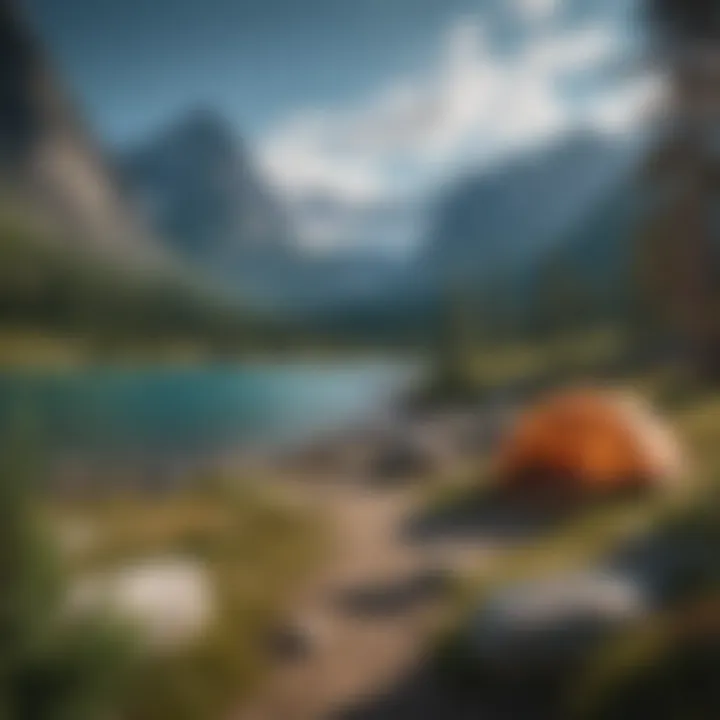
Check the weather forecast well in advance and also consider checking resources like the National Park Service's website to obtain insights into current conditions. Be mindful of seasonal closures or specific events (like elk calving), which may necessitate restrictions in certain areas of the park. One effective strategy is to plan your hike during the weekdays—less foot traffic often means more opportunities to connect with nature undisturbed.
Preparing Equipment and Supplies
Packing the right gear cannot be overstated. Your equipment lists should focus on both essentials and those extras that enhance your time in the backcountry. Start by assembling a detailed gear list that includes sturdy footwear, weather-appropriate clothing, and a reliable backpack.
Make sure to include:
- Navigation tools: Maps, compass, GPS devices where allowed
- First aid supplies: A basic kit tailored to outdoor needs, including blister pads
- Food and water: Enough non-perishable food items that are lightweight and nutritious, along with water purification systems
Always remember to test your gear ahead of time. Try out your tent in your backyard or ensure your stove works smoothly. This practice not only helps you familiarize yourself with the equipment but also prevents any hiccups during your actual trip. Moreover, consider any personal items like insect repellent or sunscreen that could be crucial based on your planned activities and expected weather.
In essence, thorough preparation prior to hitting the backcountry will set the stage for a rich and rewarding adventure in Glacier National Park. Not only will you enjoy the breathtaking landscapes, but you'll also help preserve these wild spaces for those who come after you.
Navigating Park Regulations and Safety Guidelines
When venturing into the backcountry of Glacier National Park, comprehending the regulations and safety guidelines becomes not just advisable, but essential. These guidelines serve multiple purposes; they not only protect the delicate ecosystem of the park but also ensure that individual visitors have a safe and enjoyable experience.
Understanding the rules of the road—or trail, in this case—helps to set expectations in terms of what is permissible and what isn’t. Failure to adhere to these regulations can lead to penalties, harm the environment, or even endanger one's life. So let’s dive deeper into two critical aspects:
Wildlife Safety Tips
Encountering wildlife is part and parcel of hiking in Glacier National Park, but it comes with responsibilities. Here are some key safety measures to follow:
- Keep Your Distance: Approach wild animals with caution. It’s great to see buffalo or bears from a distance, but getting too close can provoke a defensive response. The general rule of thumb is to keep at least 100 yards from bears and wolves, and 25 yards from other wildlife like elk or deer.
- Store Food Properly: Always use bear-proof containers for food storage. This not only keeps your food safe but also reduces the chances of attracting bears or other pests to your campsite.
- Carry Bear Spray: Make sure to have bear spray easily accessible. It’s one of the most effective deterrents during an encounter and every backcountry explorer should know how to use it.
In addition to these tips, it’s wise to educate yourself on the behaviors of local wildlife and what to do should you come face-to-face with them.
Terrain and Weather Considerations
The rugged beauty of Glacier's backcountry comes with its own set of challenges dictated by changing weather and diverse terrain. Here are considerations to keep in mind:
- Research the Trail Conditions: Trails can shift due to erosion, snowfall, or even rock slides. Check the National Park Service website for recent trail updates before heading out.
- Weather Preparedness: Conditions in Glacier can change faster than you can say 'hiking boots.' A sunny morning can morph into a rainstorm in the blink of an eye. Carry waterproof gear and layered clothing so you can adjust to whatever Mother Nature throws your way.
- Hydration and Supplies: Always carry enough water along with filtration systems to make safe drinking water if necessary. Dehydration can sneak up on you, especially in high-altitude terrain.
- Navigation Skills: While hiking, having a reliable map and compass is indispensable. In remote areas, GPS devices might fail because of weak signals. Knowing how to navigate using traditional tools can be a lifesaver.
"In the wilderness, ignorance of the environment can lead to regretful circumstances. Stay informed!"
By aware of the wildlife and weather conditions, you're set on a solid footing to enjoy your hike without unwarranted surprises. Engaging with the natural world in Glacier can be immensely rewarding, provided it's done with mindfulness of its rules and nuances.
Critical Resources for Backcountry Exploration
When it comes to navigating Glacier National Park's backcountry, having the right resources can mean the difference between a memorable adventure and a frustrating ordeal. The park's rugged wilderness can be both breathtaking and unforgiving, so being prepared is crucial. This section delves into the critical tools and services that every adventurer ought to consider before heading out into the wild.
Maps and Navigation Tools
First and foremost, accurate maps and navigation tools are indispensable for park visitors. Not only do they allow you to find your way in a vast landscape, but they also help in identifying potential hazards, such as cliffs, creeks, or densely forested areas.
- Topographic Maps: A detailed topographic map is a must-have, showcasing elevation changes and the contour lines that sketch out the terrain. Knowing the lay of the land can be immensely helpful in planning your route and understanding where the challenging sections may be.
- GPS Devices: While technology is great, it’s not infallible. A GPS device can provide real-time positioning; however, it is advisable to have a backup. Batteries die, and electronics can fail, particularly in extreme weather conditions. Thus, having a traditional map as a backup is wise.
- Smartphone Apps: Provided you have service, various apps can guide you through backcountry trails. These may include offline maps, downloadable trail guides, and even safety notifications. Just be sure to familiarize yourself with how to use these tools before heading out.
Employing multiple methods of navigation increases reliability. Remember, getting lost is no walk in the park, especially in a vast wilderness area where cell phone service is often spotty.
Visitor Centers and Ranger Services
Visitor centers and ranger services serve as pivotal resources for those intending to explore the park’s backcountry. These facilities are not just informative; they’re often the nexus of safety and preparation.
- Information on Trail Conditions: Before setting off, you should always check in with a ranger. They can provide updates on trail conditions, wildlife sightings, and any potential dangers. This allows you to adjust your plans accordingly.
- Educational Workshops: Many visitor centers offer workshops or talks about safety, local ecology, and conservation efforts. Engaging in these resources can enrich your journey, providing insights that transform a simple hike into a more meaningful experience.
- Emergency Assistance: In case of any unforeseen circumstances, rangers are trained to handle emergencies. They can guide you on what to do if you encounter wildlife or if someone in your party gets injured. Knowing that help can be reached makes exploring less daunting.
**"Visitor centers are the compass for the curious and the cautious alike, steering adventurers toward a safer experience in the wild."
Understanding and utilizing these critical resources is key to a successful expedition into Glacier National Park’s backcountry. Equip yourself with knowledge and tools, and you’ll approach your outdoor adventure with confidence.
Sustainable Practices While Hiking
When venturing into the magnificent backcountry of Glacier National Park, the importance of sustainable hiking practices cannot be overstated. Tackling the wild with care ensures that these stunning landscapes remain unspoiled for the generations to come. The diverse ecosystems within the park, from lush forests to alpine meadows, are delicate; they require respect and mindful interaction. Embracing sustainable practices helps to preserve this natural beauty while enhancing your outdoor experience.
Leave No Trace Principles
The foundational guidelines of Leave No Trace serve as a roadmap for environmentally responsible hiking. The key principles include:
- Plan ahead and prepare: Before heading out, ensure your itinerary accommodates for park regulations and seasonal conditions. A little research goes a long way.
- Travel and camp on durable surfaces: Stay on established trails and camp on surfaces such as rock, gravel, or dry grass. Doing so minimizes your impact on the surrounding environment.
- Dispose of waste properly: Carry out all trash, leftover food, and personal hygiene items. It’s not just polite; it’s vital for the ecosystem.
- Leave what you find: Avoid picking plants or disturbing historical or natural features. Nature has its rhythm, and every piece plays a part.
- Minimize campfire impact: Use a stove for cooking and avoid fires unless in designated areas. Fires can scar the landscape and have far-reaching effects on wildlife.
- Respect wildlife: Observe animals from a distance and store food securely to avoid attracting them. Wild creatures have their own habitat – don’t intrude.
- Be considerate of other visitors: Keep noise levels down and let nature's sounds fill the air. Sharing the trails with fellow explorers promotes a pleasant atmosphere.
Following the Leave No Trace principles is not merely a suggestion; it's a commitment to caring for the environment we cherish and explore.
Minimizing Environmental Impact
It’s vital to think about the broader implications of our outdoor activities. Here are a few ways to minimize your environmental footprint:
- Choose off-peak times to visit: If possible, schedule your hikes during weekdays or early in the morning. This reduces the strain on popular sites and gives you a better chance to immerse yourself in nature's tranquility.
- Educate others: If you hike with friends or family, share your knowledge of sustainable practices. It creates a ripple effect that can transform group habits into widespread awareness.
- Support local conservation groups: Many non-profit organizations work tirelessly to maintain hiking trails and protect wildlife habitats. Contributing to these efforts fosters a sense of stewardship.
- Utilize eco-friendly gear: Opt for gear made of sustainable materials. Not only do these products often perform better, but they also align with the sustainable ethos.
- Respect water sources: Stay at least 200 feet away from lakes and streams to prevent pollution and protect delicate riparian zones.
By adopting these sustainable practices while hiking in Glacier National Park, you play a significant role in conserving its breathtaking beauty, ensuring that future explorers can experience the same wonder you did. It's not just about the hike; it's about leaving behind a legacy of respect and care for our natural world.
Post-Trip Reporting and Park Feedback
Understanding the value of post-trip reporting and providing feedback to park management is essential for anyone who has explored Glacier National Park's backcountry. This process not only serves to reflect on one's own experiences but also contributes to the broader dialogues around park conservation and improvement. Engaging in this practice aids in ensuring that the park remains a vibrant resource for future visitors and helps to address any gaps in the visitor experience.
Importance of Sharing Experiences
Sharing one's experiences from a backcountry trip is more than just a casual chat around the campfire. It provides invaluable insights that can help others prepare for their own adventures. Here are key reasons why sharing experiences is vital:
- Informational Value: Detailed accounts from fellow adventurers can help new visitors make educated decisions about trails, weather conditions, and required gear type. For instance, discussing the unexpected snow encountered in early July can prepare future trekkers for similar surprises.
- Community Building: By reporting back, individuals contribute to a sense of community among park enthusiasts. Platforms such as Reddit often showcase firsthand experiences, fostering connections among those with a shared passion for hiking and exploration.
- Raising Awareness: Highlighting challenges faced, particularly related to wildlife encounters or trail conditions, can lead to better preparations and awareness among fellow hiker. Your story might just be what someone else needs to hear to take safety seriously.
Sharing experiences thus becomes a cycle where one encourages another, all while helping refine the collective understanding of the park's wilderness.
Contributing to Park Management
When visitors share their insights and contribute feedback, they play a pivotal role in shaping park management. Several aspects of this contribution are crucial:
- Identifying Areas for Improvement: Reports can spotlight areas in need of maintenance or enhancement. For example, if a hiker notes that certain trails are severely eroded or signage is unclear, this input is invaluable for park staff charged with maintaining safe and enjoyable access to areas within the park.
- Influencing Future Policies: Insights from backcountry explorers offer park officials a clearer picture of visitor behaviors and preferences. This can directly influence future reservations systems or campground allocations, ensuring they align better with visitor needs.
- Supporting Conservation Efforts: Feedback can shed light on how park policies are working from the visitor's perspective, particularly concerning wildlife encounters or conservation initiatives. A report detailing a successful bear sighting may highlight the effectiveness of such policies while urging continued effort in similar areas.
Sharing insights after a trip and actively participating in feedback mechanisms are acts of stewardship that go beyond mere enjoyment. They become integral to the sustenance of Glacier National Park's backcountry, ensuring it can be cherished by generations to come. By being a voice for the experience, visitors wield significant influence in the preservation and improvement of these natural wonders.
Finale and Future Outlook
As we wrap our exploration of the backcountry reservation process in Glacier National Park, it’s crucial to reflect on the various elements that shape its future. Backcountry reservations are not just a procedure; they are a lifeline for maintaining the delicate balance between visitor experiences and environmental preservation. Understanding the mechanics behind this system illuminates not only its current state but also its evolutionary path.
Evolving Backcountry Reservation System
The reservation system is undergoing significant changes to adapt to the increasing number of visitors and the overarching goals of conservation. With evolving visitor behaviors and environmental demands, there’s an ever-present need for updates in policies. For instance, enhancements in online reservation platforms have transformed how enthusiasts secure their spots. No longer do campers need to fill out paper forms and mail them to the park office. Now, with a click of a button, visitors can navigate a digital landscape to reserve campsites and backcountry permits. But this convenience comes with responsibilities.
The integration of technology raises important conversations about accessibility and equity. It’s essential that these systems remain user-friendly for all demographics, ensuring that every visitor, regardless of technological proficiency, can partake in the park’s offerings. As we proceed, discussions around community-driven feedback loops will likely shape the upcoming adjustments to the reservation system. The park management must heed visitor experiences to perpetually refine the system, ensuring a seamless process that respects both park integrity and visitor dreams.
Encouraging Responsible Exploration
A major consideration is how we can encourage responsible exploration amongst visitors. Safeguarding the pristine nature of Glacier National Park hinges on fostering a culture of stewardship among outdoor enthusiasts. This ethos must begin well before the hike – it should be integral to the reservation journey itself. Park authorities might consider requiring educational modules during the booking process. Lessons could range from Leave No Trace principles to understanding seasonal impacts on wildlife.
Sharing stories and experiences from previous explorers can also enhance this perspective. Platforms such as Reddit and Facebook can serve as vehicles where past visitors recount their adventures, discussing challenges and triumphs alike. Integrating these narratives into the modern reservation system might cultivate a shared respect for the land and its ecosystems.
"A visitor's responsibility does not end when the trail begins; it stretches to the very moment the reservation is made."
It’s clear that as the reservation system advances, the call for responsible practices—be they ecological or behavioral—will be paramount. Encouraging visitors to embrace this responsibility not only improves individual experiences but also contributes to the fabric of future explorations. After all, the true spirit of adventure lies in appreciating the beauty that lies within these wild expanses, while also ensuring its survival for generations to come.