
The Importance of Firefighter Harnesses in Forestry Safety


Intro
When we talk about forestry safety, the importance of firefighter harnesses often doesn’t get the spotlight they deserve. These harnesses are more than just pieces of equipment; they are lifelines for personnel navigating the sometimes treacherous landscapes of forests during firefighting operations. Ensuring the safety and efficiency of those battling blazes in these lush terrains hinges significantly on the design and functionality of harnesses tailored for rugged environments. This article seeks to shine a light on the interplay between these essential tools and the broader context of forestry safety. We will explore different harness types, the technology that drives their development, and the proper care necessary for maintaining them in the field.
Throughout the reading, professionals will find not just a technical overview but a deeper understanding of how harnesses fit into a larger safety framework. Discover how proper training protocols enhance their usage, alongside industry standards that govern safety practices in forestry. The interplay between harness design and practical application is crucial for safeguarding lives, and this is the narrative we aim to unfold, weaving in insights from both practitioners and experts in the field.
By addressing these elements, we’ll underscore the critical role harnesses play in modern forestry operations, emphasizing that they are indispensable tools for every firefighter aiming to keep both the forest and themselves protected.
Prelude to Firefighter Harnesses
When it comes to ensuring the safety of personnel working in forestry, few tools are as pivotal as firefighter harnesses. These pieces of equipment do not just support the weight of the individual; they provide a crucial layer of protection in the risky and demanding environments where wildfires can erupt. Firefighter harnesses are specifically designed with a keen eye toward functionality and safety, addressing the unique challenges faced by those battling the elements in forest settings.
Definition and Purpose
A firefighter harness is essentially a safety device that secures a person to a specific location, or in some cases, allows for safe suspension in the air. These harnesses are crafted from robust materials capable of withstanding the harsh conditions typically encountered in forest fire situations. The primary purpose is to prevent falls and injuries when personnel are engaged in operations such as aerial firefighting or when working on unstable or steep terrains. The design of these harnesses encompasses various elements such as adjustable straps, attachment points for tools or rescue ropes, and padding for comfort.
The importance of a sturdy, well-fitted harness cannot be overstated—it's a lifesaver that can mean the difference between a successful rescue mission and a catastrophic accident. They act not only as a personal safety apparatus but also as a means of enabling effective teamwork in dangerous circumstances.
Historical Context
Historically, the concept of harnesses has existed for centuries—not just in firefighting but in various fields where safety is paramount. From the early days of firefighting, where individuals used whatever materials they could find to hold themselves steady, to today’s sophisticated designs, there’s been a significant evolution in how harnesses are perceived and utilized.
In the mid-20th century, as forest fires grew in size and frequency, the need for specialized equipment became apparent. Harnesses began to incorporate technological advancements that offered additional safety features and enhanced comfort for the wearer. The introduction of synthetic materials revolutionized the field; making harnesses lighter yet more durable compared to the heavy leather options of the past.
One noteworthy development is the integration of quick-release mechanisms and safety ratings published by organizations such as the National Fire Protection Association. These advancements not only improved safety but also facilitated quicker response times during firefighting operations. As a result, firefighters have been able to tackle wildfires more effectively, reducing the risk to both themselves and the communities they serve.
Understanding the journey of firefighter harnesses sheds light on their indispensable role in forestry safety today. It highlights not just a history of innovation, but a continuous commitment to improving safety for all personnel involved.
Types of Firefighter Harnesses
Understanding the different types of firefighter harnesses is fundamental for ensuring that forestry professionals are adequately protected while tackling the unique challenges presented by wildland environments. Each harness type is designed to cater to specific needs and scenarios, providing various benefits and considerations that can enhance safety and performance in the field.
Standard Harnesses
Standard harnesses are the backbone of firefighter safety gear in forestry operations. These harnesses are generally versatile and suited for everyday firefighting tasks, ensuring that the wearer can navigate through dense vegetation and rugged terrain without compromising mobility or safety.
- Construction: Typically made from durable synthetic materials, standard harnesses are designed to withstand the rigors of forestry environments. Their robust construction allows them to resist abrasion and punctures, which are common hazards in dense foliage.
- Features: Most standard harnesses include adjustable straps, quick-release buckles, and various attachment points for tools and equipment. This versatility allows firefighters to customize the harness for their specific needs during different operations.
- Comfort and Fit: A well-fitted standard harness redistributes weight efficiently, allowing for long hours of wear without excessive strain on the back or shoulders. This aspect is crucial, as firefighters often endure strenuous physical activity.
Overall, the importance of standard harnesses cannot be overstated—they act as the first line of defense against the unpredictable nature of forest firefighting.
Rescue Harnesses
In scenarios where life-saving measures become necessary, rescue harnesses come into play. These harnesses are specialized and built with distinctive features prioritizing immediate safety and retrieval capabilities.
- Design Priorities: Rescue harnesses often incorporate a bolster or support for better stability when lowering or raising individuals. They may also include additional padding for comfort during prolonged use, which can be essential in emergency situations.
- Quick-Release Mechanism: A defining trait of rescue harnesses, this feature allows for rapid deployment which is vital during emergencies. In life-threatening situations, seconds can be the difference between safety and disaster.
- Additional Attachment Points: These harnesses generally come equipped with multiple D-rings and attachment points tailored for connecting ropes, carabiners, or other rescue equipment, ensuring that rescuers can operate effectively.
Through the utilization of rescue harnesses, forestry professionals can significantly improve their operational safety, preparing them for unexpected challenges.
Specialty Harnesses
For unique operational tasks within forestry, specialty harnesses are designed to meet specific demands. These harness types might cater to roles such as hazardous materials handling or aerial work, acknowledging that one size certainly does not fit all in safety gear.
- Tailored Features: Specialty harnesses often integrate features such as chemical-resistant materials for hazardous jobs or additional support structures for aerial work, ensuring robust performance under specific hazardous conditions.
- Applications: For example, when firefighters deal with chemical spills or urban interfaces where hazardous materials pose threats, having a harness that can withstand these elements is crucial. Similarly, when working at heights or deploying aerial equipment, stability and support become paramount.
- Flexibility: The adaptability of specialty harnesses allows them to fulfill various roles, providing enhanced safety measures that traditional standard harnesses may not cover.
Materials Used in Firefighter Harnesses
The choice of materials in firefighter harnesses holds significant weight in ensuring the safety and functional efficacy of firefighting operations, especially in the challenging forestry environment. Harnesses serve as lifelines in perilous situations, making it crucial to understand what goes into their construction. This section elaborates on the types of materials commonly used, their benefits, and essential durability considerations.
Synthetic Materials
In the realm of firefighter harnesses, synthetic materials stand tall as the unsung heroes. Often comprising high-strength fibers like nylon and polyester, these materials are tailored to withstand extreme conditions. The advantages are clear:
- Lightweight Yet Strong: Harnesses made from synthetic fibers offer an excellent strength-to-weight ratio, making them easy to wear for extended periods without weighing personnel down.
- Weather Resistance: These materials are naturally resistant to moisture, UV rays, and chemical exposure, which is particularly critical in forestry firefighting where diverse elements prevail.
- Adjustable and Versatile: Synthetic harnesses typically come equipped with adjustable straps, allowing firefighters to customize the fit. This ensures comfort and stability, whether they are climbing trees or traversing rugged terrains.
The practical application of synthetic materials speaks to the polyamide composite fabrics like Cordura®, known for their high resistance to tearing and abrasion, crucial in dense forest settings where snagging is a constant threat.
Natural Fibers
While not as prevalent as their synthetic counterparts, natural fibers still find their niche in the industry, primarily due to their breathability and comfort. Cotton and hemp, for example, have been historically favored for their tactile soft touch. Here are some considerations:
- Breathability: Natural fibers allow for increased airflow, which can be advantageous in warmer conditions, minimizing heat stress for firefighters engaged in strenuous activities.
- Sustainability: Using sustainable fibers can be appealing for organizations looking to meet eco-friendly standards. Hemp, in particular, has gained traction for its robust characteristics while being biodegradable.
- Fire Resistance: It's important to note that while natural fibers may offer comfort, they generally lack the fire-resistant properties of many synthetic alternatives unless treated with special coatings.
Understanding the trade-offs between comfort and performance is paramount. Natural fibers can be a wonderful touchpoint, but they often require additional treatments to meet safety standards.
Durability Considerations
When discussing firefighter harnesses, durability is a non-negotiable characteristic. It's not simply about wearing the harness; it's about relying on it to perform under duress. To gauge durability, consider the following factors:
- Resistance to Abrasion and Tear: For a harness to be effective, it must withstand the rigors of firefighting. Evaluate its resistance to abrasive materials like tree bark or sharp edges, as these could compromise the safety of the wearer.
- Lifespan and Maintenance: Understanding the lifespan of various materials can save time and resources down the line. Regular checks and proper maintenance routines will extend the usefulness of a harness, regardless of its material composition.
- Exposure Conditions: Firefighters often face harsh elements ranging from heat to water. Materials need to be analyzed for their performance in diverse environments to ensure they won't degrade over time.
"Material selection in harnesses is not a mere choice; it's a lifeline for those who tread into the unknown. Their effectiveness in life-saving situations hinges on their design and material robustness."
In review, the materials used in firefighter harnesses play an indispensable role in their functionality and safety. Synthetic materials dominate due to their lightweight and durable nature, yet natural fibers shouldn't be overlooked, especially for comfort in suitable scenarios. Ultimately, durability considerations are the backbone of harness performance, needing thorough evaluation from the outset.
Technological Advancements in Harness Design
In the realm of forestry firefighting, technological advancements in harness design represent not just a leap in comfort and efficiency, but a vital commitment to safety. Harnesses are no more a mere accessory; they have evolved into complex systems engineered to withstand the rigors of wildland firefighting. This section dives into how innovation has reshaped harness technology and why these advancements are crucial for the well-being of firefighters tackling hazardous environments.
Innovative Safety Features
When talking about safety, it’s hard to overlook some groundbreaking features now found in modern firefighter harnesses. For starters, many harnesses come with integrated reflective materials. This isn’t just a fancy add-on; it can be a life-saver. During low-light conditions, reflective materials can help in making firefighters visible to their peers and command centers, reducing the risk of accidental collisions or miscommunications in frantic scenarios.


Moreover, harnesses now fully support ergonomic designs, allowing for improved weight distribution. When humping heavy loads through thick brush, a well-balanced harness can be the difference between fatigue and efficiency. The newer designs often encompass padded shoulder straps and lumbar support to mitigate strain during extended operations. A harness that fits well and compensates for weight shifts can prevent injuries that could leave a firefighter out of action in critical moments.
Another strong feature includes quick-release mechanisms. Imagine a firefighter caught in a tight spot or even in a situation where they need to vacate quickly—they should be able to unbuckle in a snap. Modern harnesses have improved these release systems significantly, often requiring just one hand to operate effectively, thus enhancing overall response time in dire situations. Additionally, reinforced attachment points for carabiners or other tools have been engineered to withstand higher loads without the risk of failure.
"The difference between surviving a fire and being caught in one often hinges on the equipment—harnesses like these make all the difference."
Wearable Technology
The rise of wearable technology is fundamentally changing how firefighters operate in forestry settings. No longer just a passive piece of equipment, the modern harness can be equipped with sensors that monitor various physiological parameters such as heart rate, body temperature, and even hydration levels. Such data is crucial; it can alert supervisors if a firefighter enters a dangerously dehydrated or overheated state.
This concept bridges into rescue operations as well. Some specialized harnesses now feature GPS-enabled tracking, allowing incident commanders to have real-time information about the location and status of their team, thus optimizing coordination during emergencies. A harness capable of signaling distress can ensure that help arrives when it's most needed.
And let’s not forget about communication systems integrated within the harness. These allow for seamless connection within a team, making it easier to relay vital information without needing to rely on traditional radios, which might fail in remote locations. However, it’s important to weigh the benefits and potential pitfalls of such technology; reliance on electronic systems can present challenges if battery life is insufficient or if connectivity issues arise in wooded areas.
Adapting to these advancements will ultimately dictate efficiency and safety standards in wildfire management.
Selecting the Right Firefighter Harness
Choosing the appropriate firefighter harness is paramount to maximizing safety and operational efficiency in forestry settings. Not every harness fits every situation, and understanding the nuances can significantly impact performance and risk management. This section delves into the critical aspects of harness selection, focusing on three main considerations: fit and comfort, safety ratings, and budget.
Assessing Fit and Comfort
Comfort is not just a luxury; it's essential for any firefighter facing the rigors of wildland firefighting. A harness that doesn't fit well can become a liability. Proper fit ensures that the harness distributes weight evenly across the body, minimizing discomfort during extended use.
- Sizing: Consult sizing charts provided by manufacturers. Each brand might have a slightly different take on sizes, leading to mismatches if one simply grabs what seems right.
- Adjustability: Look for harnesses with multiple adjustment points. The more points you can customize, the better the fit.
- Padding: Features like padded shoulder straps can alleviate pressure, especially when carrying heavy equipment. This makes it easier to focus on the task at hand rather than on an uncomfortable fit.
Ultimately, a well-fitted harness can enhance mobility and reduce fatigue, allowing personnel to perform their duties without distraction.
Understanding Safety Ratings
Before purchasing a harness, it's vital to scrutinize its safety ratings. Different harnesses meet various standards, each tailored for specific activities or risks.
- NFPA Compliance: The National Fire Protection Association sets rigorous standards for firefighter equipment. Ensure that your chosen harness adheres to such guidelines. This compliance indicates that the harness has undergone testing for durability and functionality in hazardous conditions.
- User Reviews and Incident Reports: It’s wise to look at how a harness has performed in real-life situations. Dive into reports or forums—often, you can find firsthand accounts of failures or successes with specific models.
Keeping abreast of safety ratings not only adds an additional layer of confidence but also protects the wearer from unforeseen circumstances.
Budget Considerations
Striking the right balance between quality and cost is a common conundrum among forestry professionals. While it’s tempting to cut corners, investing in a superior harness often pays off in the long run.
- Initial Cost vs. Long-Term Value: A cheaper harness might seem appealing, but if it lacks durability, it may need frequent replacements. This increases overall costs. Instead, consider harnesses with good warranties, indicating manufacturers' confidence in their products.
- Additional Features: Some harnesses come with embedded technology or special attachments for tools, which might increase the price. Weigh these features against the utility they provide on the field.
"Securing the right harness is more than a purchase—it's an investment in safety and efficiency in the wild.
Ultimately, a mindful approach to budget when choosing a harness will save forestry workers time, money, and perhaps, even lives.
Maintenance of Firefighter Harnesses
Maintaining firefighter harnesses in forestry is crucial for ensuring not only the safety of the wearers but also the effectiveness of the equipment itself. Harnesses are subjected to harsh environments that can lead to wear and tear, including exposure to elements like water, fire, and debris. Consequently, a robust maintenance routine extends the lifespan of the harness, ensuring it performs optimally when needed the most. This level of care is not just about preserving the equipment; it's a fundamental component of operational safety. Without proper maintenance, even the best-designed harnesses can fail at critical moments.
Regular Inspections
Regular inspections form the backbone of a sound maintenance strategy for firefighter harnesses. These inspections should be systematic and include a thorough examination of all components. Inspectors should look for signs of wear, such as fraying straps, damaged buckles, or degraded stitching. Identifying potential hazards early can prevent serious accidents in the field. Many organizations recommend creating a checklist for these inspections, which can include the following:
- Check all straps for signs of fraying or cuts.
- Inspect buckles and connectors to ensure they function correctly without restriction.
- Review padding for signs of wear and ensure it provides necessary comfort and security.
"An ounce of prevention is worth a pound of cure." - Benjamin Franklin
Such diligence can save lives and promote a culture of safety among forestry professionals.
Cleaning Protocols
Keeping firefighter harnesses clean is as vital as ensuring their structural integrity. The harnesses are often exposed to dirt, smoke, and chemical residues that could degrade the material over time. After each use, it's advisable to follow established cleaning protocols to maintain the equipment's performance and extend its usable life. A practical guide for cleaning might include:
- Remove any detachable parts, such as pouches and attachments.
- Wash the harness in lukewarm, soapy water.
- Rinse thoroughly to remove all soap residues.
- Avoid using harsh chemicals that could damage the material.
- Air dry fully in a shaded area to prevent deterioration from sunlight.
Routine cleaning not only enhances safety by ensuring that the harness remains in tip-top shape but also contributes to a positive image of professionalism in the field.
Storage Guidelines
Proper storage of firefighter harnesses is often overlooked, yet it significantly impacts their longevity. Harnesses should be stored in a dry, cool place, away from direct sunlight and moisture that could cause materials to break down. Here are some guidelines to ensure effective storage:
- Use storage bags that are breathable to prevent moisture accumulation.
- Ensure harnesses are hung or laid flat to avoid kinks in straps.
- Regularly check storage conditions to ensure they remain optimal over time.
Training for Effective Use
Training for effective use of firefighter harnesses is a cornerstone of ensuring safety and efficiency during forestry operations. When personnel are empowered with the proper skills and knowledge, they not only protect themselves but also enhance the overall efficacy of firefighting efforts. The intricate nature of forestry work paired with high-risk environments demands a solid training regimen that covers all aspects of harness use.
Training Requirements
Every firefighter needs to undergo comprehensive training that meets the demands of their specific roles. Training requirements include:
- Basic Understanding of Harness Components: Firefighters must know the parts of a harness, such as the dorsal and frontal D-rings, waist belt, and leg loops. Familiarity with these elements forms the foundation for safe practices.
- Safety Protocols: Training should encompass all safety protocols relevant for harness use, including how to best secure oneself when performing tasks at heights or during rescue operations.
- Workshops and Hands-On Training: Engaging in workshops that focus on harness use in simulated environments can be incredibly beneficial. Scenarios that mimic real-life operations help prepare firefighters for the various trials they may face in forestry.
- Certification Courses: Many regions require firefighters to complete certification courses that cover specific needs. Keeping this certification up to date ensures that personnel are trained on the latest advancements in harness safety.
"Training is not just a requirement; it's the key to survival in challenging forestry scenarios."
Scenario-Based Training
Scenario-based training takes conventional learning a step further by incorporating realistic simulations. This method aims to prepare firefighters for various situational challenges they may encounter in the field. Specific features of scenario-based training include:
- Realistic Situations: Trainers create scenarios that represent actual risk factors, such as navigating steep terrain while managing equipment. This approach nurtures decision-making skills and ingrains safe practices under pressure.
- Evaluation and Feedback: Participants are often subject to evaluation during these drills, with immediate feedback provided. This helps refine their techniques in real-time and emphasize areas needing improvement.
- Team Dynamics: Such training also fosters teamwork. Firefighters learn to communicate effectively and coordinate actions, promoting a team-oriented mindset which is crucial in forestry operations.
- Stress Management: High-pressure situations are part of firefighting. Scenario-based training simulates stress, preparing the team to handle it without compromising safety or efficiency.
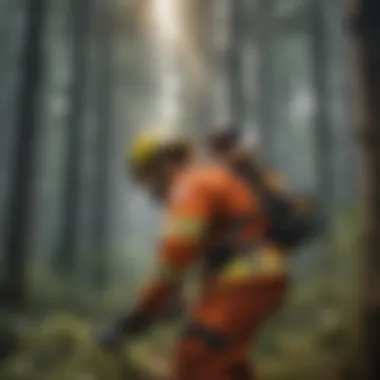

By integrating these various components into training, organizations can effectively enhance firefighter preparedness, ensuring harness usage is both safe and efficient in forestry environments.
Understanding Industry Standards
When it comes to firefighter harnesses, understanding industry standards is paramount. These standards serve not only as a guideline for safety but also contribute to a cohesive framework for equipment that each responder utilizes. In forestry, these harnesses are subject to rigorous safety measures, ensuring they are fit for the volatile environments they encounter. Such adherence to standards bolsters trust not only among the firefighters themselves but also in the communities they protect.
National Fire Protection Association (NFPA) Guidelines
The NFPA is pivotal in establishing comprehensive criteria for firefighter equipment, particularly harnesses. These guidelines are periodically updated to reflect the latest in safety research and technology, thereby including aspects such as:
- Material Specifications: The types of fabrics and components that ensure both durability and flexibility.
- Load-Bearing Capacity: The ability of the harness to support the considerable weight of firefighting gear.
- User-Friendliness: Ease of putting on and taking off, especially under duress.
Adhering to NFPA guidelines ensures a level of uniformity across various firefighting units, making integration and collaboration smoother during joint-operation scenarios. It emphasizes a culture of safety and preparedness that translates directly into life-saving measures in the field.
"Safety isn’t expensive; it’s priceless."
ISO Standards for Safety Equipment
ISO standards add another layer of credibility to firefighter harnesses, focusing on international protocols and best practices. These standards play a significant role in:
- Global Consistency: Ensuring that equipment from different manufacturers offers similar reliability.
- Testing and Evaluation: Established methods to assess the performance under stressful conditions, contributing to enhanced safety.
- Quality Assurance: Encouraging manufacturers to maintain high-quality production practices.
Understanding these ISO standards is crucial for forestry professionals because they inspire confidence that the equipment is rigorously tested and verified for safety. This shared understanding among users of harnesses helps in creating safer environments for both firefighters and the ecosystems they protect.
Application of Firefighter Harnesses in Forestry
The application of firefighter harnesses in forestry is not just a matter of using equipment; it fundamentally intertwines with ensuring the safety of personnel working in one of the most hazardous environments. Harnesses serve multiple roles, primarily providing stability and protection. In the dense underbrush and challenging terrains where wildfires often occur, these harnesses significantly contribute to the safety and efficiency of firefighting teams.
When firefighters are battling blazes in forested areas, they're often faced with steep inclines and unstable ground. A well-designed harness allows for better maneuverability, ensuring that they can climb or traverse rough terrains without the added burden of worrying about their safety from falling or slipping. Moreover, these harnesses often come equipped with attachment points for tools and gear, streamlining the firefighting process. There's a direct correlation between the harness design and the personnel's ability to respond effectively in dynamic situations.
Wildland Firefighting
In wildland firefighting, the focus is on rapidly suppressing fires in rural areas where vegetation can fuel the flames. Here, harnesses play a critical role as they are designed with specific features tailored for unpredictable environments. The ability to dynamically adjust to the firefighter’s movements enhances both comfort and security.
For example, when tackling a blaze amid thick brush, a harness that allows for quick attachment of ropes or pulleys becomes invaluable. These can be crucial for rescue operations, allowing for efficient retrieval of injured personnel or hauling equipment. Furthermore, the use of specialized harnesses that distribute weight evenly helps prevent fatigue, enabling firefighters to operate effectively for extended periods.
"In the line of duty, every second counts; a well-fitted harness can be the difference between life and death."
Hazardous Material Management
Harnesses also play a pivotal role in hazardous material management, especially during incidents involving chemical spills or contaminated fires. Firefighters often face the dual threat of flames and exposure to hazardous substances, making the right protective gear essential.
These harnesses are designed to integrate seamlessly with additional personal protective equipment (PPE) such as respirators and chemical suits. The ability to have a secure fit ensures that the firefighter can go through rigorous operations without fear of slippage or equipment failure.
In this arena, the harnesses often incorporate additional functionalities like quick-release systems. This feature allows for a speedy exit, crucial if conditions turn risky. Proper training alongside these specialized harnesses can dramatically reduce the risk of injury during hazardous material incidents, thereby safeguarding the health of the entire team and the surrounding environment.
End
The application of firefighter harnesses in both wildland firefighting and hazardous material management is indispensable. By understanding the specific functionalities and safety measures that these harnesses provide, forestry professionals can enhance safety protocols and operational efficiency. Incorporating advanced design elements and integration with other safety equipment can dramatically improve the effectiveness of firefighting efforts in forestry, ultimately preserving both personnel and natural ecosystems.
Case Studies of Harness Failures
Understanding the significance of failures in harness systems is crucial. Analyzing these events not only sheds light on system vulnerabilities but also highlights how these failures can affect firefighter safety in forestry environments. Case studies draw from real-life incidents; they help in recognizing trends, patterns, or systemic issues that might otherwise be overlooked. Moreover, these studies serve as educational tools and contribute to the ongoing evolution of safety measures.
Analysis of Accident Reports
When delving into accident reports, one must scrutinize various elements such as the circumstances surrounding the failure, the conditions at the time, and any accompanying human factors. For instance, a notable case involved a firefighter in the Western United States who experienced a gear malfunction while navigating steep terrain. The harness failed to secure the firefighter properly. Reports indicated that the equipment had not been inspected prior to the operation. This example underscores the necessity of routine inspections. A similar incident reported in Canada revealed that even top-notch harnesses could fail if not correctly tailored for the user's body type, demonstrating a need for personalized fittings.
> "In emergency situations, every second matters. A malfunction can transform a challenging task into a life-threatening scenario quite rapidly.”
Lessons Learned
From these unfortunate incidents, valuable lessons emerge, allowing professionals to adapt and enhance safety protocols. Firstly, comprehensive training on the use and limitations of harnesses must become standard. Secondly, the importance of personalized equipment becomes glaringly evident. The same Canadian incident revealed that molds based on the user's body could lead to better fit and less risk of harness failure.
- Routine Checks: Emphasize the need for regular inspections to catch wear-and-tear that could lead to equipment failure.
- User Training: Foster robust training programs that focus on harness handling and usage scenarios.
- Equipment Customization: Encourage the use of tailored harnesses that are designed with consideration of individual firefighter’s size and shape.
Future Trends in Firefighter Harness Technology
As firefighting continues to evolve, particularly in demanding forestry environments, it's crucial to examine what lies ahead in the development of firefighter harnesses. Trends in technology and materials are not just about keeping up with innovations; they play a pivotal role in enhancing safety, effectiveness, and user experience for firefighting professionals. With the growing complexity of forest fires and the potential hazards involved, the arrival of better tools is essential for maintaining safety and performance in these rugged settings.
Emerging Materials and Designs
Recent advancements in materials science have seen the introduction of lighter yet incredibly strong fabrics, such as high-tenacity nylon and Dyneema, into harness construction. These materials boast superior resistance to heat and abrasion, which is vital in forestry applications where the risk of becoming entangled in branches or subjected to harsh conditions is commonplace. The use of breathable fabrics also ensures that firefighters remain more comfortable during extended periods of use, an underrated but critical aspect that can affect focus and endurance.
- Benefits of New Materials:
- Weight reduction: Lighter harnesses reduce fatigue, allowing firefighters to perform at their best.
- Breathability: Enhanced airflow is beneficial in preventing heat stress.
- Durability: Advanced materials provide better resistance to wear and tear in rugged environments.
The designs of harnesses are also evolving, moving away from traditional shapes to more ergonomic solutions. Harnesses are now being tailored to fit different body types and sizes through adjustable components, ensuring a snug fit for users of all sorts. This level of customization promotes more efficient movement, which can be crucial during intense operations.
Balancing safety with mobility through smart designs influences how harnesses function as part of a larger firefighting strategy. Furthermore, several manufacturers are experimenting with modular designs, enabling firefighters to adapt their gear for specific tasks—one day responding to wildfires, and another handling controlled burns or working with hazardous materials.
Integration of Smart Technologies
The integration of smart technologies in firefighter harnesses marks a significant shift in the way safety equipment can monitor conditions and provide real-time feedback. This area of innovation presents an opportunity to radically transform approaches to fire management. For instance, some harnesses now incorporate sensors that can track vital signs, monitor environmental conditions, and detect exposure to harmful substances.
Beyond monitoring health metrics, smart harnesses can be connected to mobile devices, providing instant access to crucial information such as weather conditions, fire location, or even the status of crew members. This technology not only improves situational awareness but potentially elevates the safety protocols in place. It's about employing technology to keep our firefighters informed and ready, ensuring they aren't left in the dark, both figuratively and literally.
"The future of firefighter harnesses hinges not just on improved safety, but on creating a connected environment where every firefighter can receive real-time updates and health monitoring, enriching their ability to respond effectively."
While these trends undoubtedly come with increased costs, the potential to save lives and improve operational efficiencies offers a compelling argument for investment in new technologies. Ultimately, adapting to these advancements in harness technology is not just about embracing innovation but ensuring that frontline responders are equipped with the best gear available.


As we stand on the brink of these changes, the forestry firefighting community must stay proactive, pushing for integration of these advancements into the standard operating procedures.
Expert Interviews and Insights
Exploring the realm of firefighter harnesses without the insights of actual professionals would be like trying to navigate a dense forest without a map—hardly effective. The voices of those who don the harness day in and day out are invaluable, shedding light on real-world applications, challenges, and advancements in design pertinent to forestry safety.
This segment taps into the perspective of two pivotal groups—firefighting professionals and equipment manufacturers—each offering their own unique insight into the realm of firefighter harnesses.
Voice of Firefighting Professionals
Through interviews with active firefighters and forestry specialists, we glean a firsthand understanding of harness selection and its critical importance in emergency environments. The seasoned professionals often emphasize:
- The balance between mobility and safety is paramount; they need harnesses that enable swift movement while ensuring protection.
- Real-world scenarios greatly influence the preferred features of harnesses, emphasizing durability against severe conditions like steep terrains and extreme weather.
- Frequent drills necessitate comfortable harnesses, as they wear these for extensive periods during their demanding tasks.
- Many professionals advocate for adjustable designs that cater to various body types, accentuating the need for inclusivity in gear design.
"A harness that fits well is like a second skin. It allows us to focus on the job, not on discomfort," shares one firefighter, underscoring the emotional connection they develop with their essential equipment.
Perspectives from Equipment Manufacturers
Manufacturers play a crucial role in driving innovation and ensuring that what’s available on the market truly meets the needs highlighted by the firefighters. Their insights often outline the technologies being explored to enhance firefighter safety. Key considerations from the manufacturers include:
- User feedback loops: Incorporating insights from firefighters in the design process allows for practical improvements that can save lives.
- Material advancements: Innovations in fabric technology lead to stronger yet lighter harnesses, essential for prolonged use in the forest.
- Smart technologies: Integration of sensors and real-time alerts into harnesses is becoming more commonplace, reflecting the emphasis on proactive safety measures.
- Regulatory compliance: Understanding and navigating through regulations ensures that products meet safety standards, ultimately aiding in the protection of firefighters.
Through these interviews, the article gathers essential insights directly from the field and the factories, lending a balanced view that cannot be captured through data alone. The perspectives of firefighting professionals and manufacturers together stitch a comprehensive narrative about the critical role of harnesses in forestry safety.
Regulatory Considerations
In the realm of forestry safety, regulatory considerations serve not just as guidelines but as lifelines that shape practices and equipment used in emergency situations. Firefighter harnesses, specifically designed for deployment in these challenging environments, must adhere to a myriad of regulations to ensure the utmost safety of personnel.
Regulatory measures are vital because they:
- Establish Safety Standards: They define the baseline for safety equipment, ensuring that all harnesses meet a certain standard before they can be used in the field. Regulations provide a framework that guarantees the reliability of harnesses, which is critical when lives are at stake.
- Reduce Liability Risks: Compliance with established regulations helps organizations mitigate potential legal and financial repercussions stemming from accidents or injuries. By following the rules set forth, forestry units can demonstrate that they are committed to maintaining a safe working environment.
- Foster Continuous Improvement: Regulations often evolve in response to new findings or technologies. This means that keeping pace with these changes not only ensures compliance but also encourages development and adoption of better, safer equipment.
Government Regulations
Government regulations can be numerous and varied, often dictated by both national and local authorities. In the context of firefighter harnesses, several key bodies play a role; notably, the National Fire Protection Association (NFPA) and the Occupational Safety and Health Administration (OSHA) set the baseline for equipment safety standards.
- NFPA Standards: They provide specific guidelines regarding the design, testing, and use of harnesses. For example, NFPA 1983 outlines performance criteria that harnesses must meet, ensuring reliability under extreme conditions.
- OSHA Regulations: Enforce standards that protect workers from unsafe environments. If a harness fails to meet OSHA guidelines, it becomes a liability for the organization. Each agency has its role in enhancing safety, making stringent adherence to their regulations a necessity.
While regulatory considerations might come off as bureaucratic red tape, they lay the groundwork for safer operational practices in forestry, pushing professionals to always prioritize safety above all else.
Impact of Regulations on Design
The influence of regulations is palpable in the design phase of firefighter harnesses. Regulations dictate much more than just the specifications; they extend to materials, construction techniques, and even aesthetic elements.
- Material Choices: With durability as a consideration, regulations often require the usage of specific synthetic materials that withstand a variety of harsh conditions. For instance, materials that resist heat and abrasion are commonly mandated, ensuring the harness’s efficacy in hot, rough terrains.
- User-Friendly Features: Compliance with regulations does not just stop at safety; it also encourages the incorporation of design elements that enhance usability. For example, quick-release buckles and adjustable straps are often a result of a focus on operational efficiency. Such features allow firefighters to react swiftly, especially in life-threatening situations.
- Testing Protocols: Regulations often outline rigorous testing standards before any harness can be deemed safe for public use. This involves stress tests under simulated emergency conditions to assess performance, ensuring that all designs can withstand the rigors of forestry firefighting.
In summary, observing regulatory considerations helps guide the design process, fostering equipment that not only meets legal standards but also empowers firefighters in their critical roles. Their steadfast adherence to guidelines ensures that harnesses are truly fit for purpose, prioritizing protection, comfort, and functionality in demanding forestry environments.
Community and Environmental Impact
The interconnectedness of community welfare and sustainable natural environments cannot be overstated. When discussing the role of firefighter harnesses within forestry safety, one must consider their broader implications for both local communities and the ecosystems on which they depend. Effective firefighter practices that prioritize safety do not merely safeguard the lives of those battling wildfires; they also ensure the preservation of forest areas, which are crucial for biodiversity and community health.
Firefighter Safety in Forestry Projects
The safety of firefighters is paramount in forestry missions where biological hazards often intersect with environmental dangers. Harnesses are more than just gear; they are the lifelines of safety, designed not only to prevent falls but also to provide the necessary support during distressing firefighting scenarios.
- Real-time Safety Assessments:
- Continuous monitoring of conditions helps determine if harness use is appropriate for various terrains. Firefighters equipped with harnesses are better positioned to respond to sudden shifts in wildfire behavior, thus minimizing risk.
- The presence of safety features within harnesses, such as quick-release mechanisms and built-in communication systems, facilitates a faster response in emergencies.
- Training and Preparedness:
- Comprehensive training ensures firefighters understand how to use harnesses effectively. Proper training not only enhances individual safety but also contributes to team efficiency on the ground.
- Scenario-based training allows personnel to practice the application of harnesses under pressure, making them more adept in real situations when the heat is on.
Preserving Natural Ecosystems
Harnesses also play an integral role in fostering the stewardship of natural ecosystems during forestry operations. By ensuring the safety of fire management personnel, harnesses indirectly contribute to the health and preservation of the forest's delicate ecosystem.
- Minimizing Ecological Footprint:
- Supporting Biodiversity:
- When firefighters can operate safely and effectively, they are less likely to cause collateral damage to the environment. This protection can help mitigate the risks of broader ecological disruptions, such as soil erosion and habitat destruction.
- Firefighter harnesses assist in precise maneuvering, allowing crews to protect sensitive wildlife habitats. Every inch matters, and effective harnesses help prevent unintentional intrusions into vulnerable areas.
In summary, the community and environmental impacts of effective firefighter harnesses in forestry safety manifest in multiple dimensions. They ensure the security of personnel while supporting the ecosystems that make up the fabric of natural landscapes. The ripple effect—for both people and nature—reinforces how critical harnesses are in the broader context of fire management and ecological preservation.
"A safe firefighter is not just a first responder; they are a guardian of the environment, protecting both the community’s assets and the intricate lives thriving within our forests."
End
Incorporating comprehensive safety measures in forestry projects is not just about regulatory compliance; it’s a decisive factor in fostering longer-lasting, resilient communities and ecosystems. Firefighter harnesses stand as a testament to the commitment of safeguarding both human lives and the environmental sanctuaries that serve as home to countless species. With the right harnesses, we secure the future of our professions and our planet.
Finale
As we draw the curtains on our deep dive into the vital role of firefighter harnesses in forestry safety, it becomes clear that these specialized tools are indispensable for any professional facing the unpredictable nature of forest fires. Harnesses not only support firefighters in their moment of action but also embody a broader commitment to safety and efficiency in hazardous environments.
Recap of Key Insights
In revisiting the core elements discussed, several key insights emerge:
- Types of Harnesses: Firefighter harnesses come in various forms, each designed with specific situations in mind, from standard to rescue harnesses, catering to diverse operational needs.
- Material Matters: The choice of materials, whether synthetic or natural, significantly influences durability and performance, enabling firefighters to work under extreme conditions with confidence.
- Technological Advances: Innovations, such as wearable technology integrated into harnesses, are reshaping how safety protocols are implemented, offering real-time data and tracking.
- Training is Essential: Regular training ensures that personnel are not only familiar with the equipment but also capable of using it effectively in life-and-death situations.
- Regulatory Standards: Compliance with guidelines from organizations like the National Fire Protection Association (NFPA) ensures harness designs support safety and operational efficiency.
- Community Impact: An unwavering focus on safety in forestry operations contributes to the greater good—protecting both the personnel involved and the ecosystems they strive to preserve.
In a nutshell, understanding and utilizing the right harnesses can be the difference between a successful response to a forest fire and a tragic accident. The information presented underscores not just the significance of harnesses but also the ongoing need for vigilance in safety practices across the board.
Call to Action for Further Research
While the insights provided paint a detailed picture of the existing landscape of firefighter harnesses, the journey doesn’t end here. Future research could illuminate several crucial areas, including:
- Human Factors in Harness Design: Enhancing user comfort and effectiveness should never be an afterthought. Investigating how harnesses can be tailored to individual body types and preferences could yield substantial benefits.
- Longitudinal Studies on Wear and Tear: Tracking the performance and longevity of materials used in harnesses over years of usage will inform better designs and methodologies.
- Impact of Weather Conditions: Understanding how different environmental factors affect harness performance can lead to improvements in materials and technology.
- Feedback Mechanisms: Engaging with the firefighters using this equipment will provide insights that a top-down approach might miss. Their experiences could guide future advancements.