
The Ecological Significance of Butterfly Milkweed

Intro
Butterfly milkweed, known scientifically as Asclepias tuberosa, is an essential component in many native ecosystems, particularly in North America. It serves as a vital resource for various pollinators, including butterflies, bees, and other beneficial insects. These organisms are crucial for plant reproduction, contributing to the overall health of the ecosystem.
This article will examine the unique characteristics of butterfly milkweed, its preferred habitats, and its ecological significance. We will also discuss cultivation practices for those who wish to grow this beautiful plant, its potential medicinal properties, and the role it plays in conservation efforts. By understanding butterfly milkweed's multifaceted aspects, we can better appreciate its importance in American forests and the negative impacts of habitat loss.
As we delve deeper into these topics, we will also touch upon broader subject matters related to forest management and climate change, providing a comprehensive narrative that informs forestry professionals and academics alike. The need for increased awareness and action regarding the preservation of species such as butterfly milkweed cannot be overstated. We must recognize its role in sustaining biodiversity and fostering ecological balance.
Prologue to Butterfly Milkweed
Butterfly milkweed, scientifically recognized as Asclepias tuberosa, holds significance not only for its distinct appearance but also for its ecological roles. The introduction to this plant serves as a gateway to understanding its broader impacts on the environment and its crucial function within various ecosystems. This section will establish the groundwork for the subsequent examination of the species, highlighting its importance to forestry professionals and academics alike.
Definition and Classification
Butterfly milkweed is a perennial plant belonging to the Apocynaceae family. It is native to North America, particularly favoring the eastern and central regions. The classification of Asclepias tuberosa is as follows:
- Kingdom: Plantae
- Phylum: Angiosperms
- Class: Eudicots
- Order: Gentianales
- Family: Apocynaceae
- Genus: Asclepias
- Species: A. tuberosa
This plant is characterized by its clusters of vibrant orange to yellow flowers and lance-shaped leaves. The unique morphology of butterfly milkweed contributes not only to its visual appeal but also to its vital role in supporting various pollinator species, further emphasizing its ecological importance.
Historical Context
Historically, butterfly milkweed was recognized by several Indigenous cultures for its medicinal properties. Various applications included treatment of ailments such as respiratory issues and digestive disorders. Its historical uses underscore the plant's significance beyond mere aesthetic value, illustrating how cultures have leveraged natural resources for health and wellness.
In addition, with the expansion of European settlers in North America, traditional knowledge about this plant faced challenges. However, its presence remained integral within certain regions, where it was noted for attracting butterflies, particularly the Monarch butterfly. Conservationists today draw on this historical backdrop as they work towards preserving butterfly milkweed habitats against the pressures of modern development.
Understanding these aspects provides depth to the ecological narrative surrounding Asclepias tuberosa, laying the groundwork for a thorough exploration of its botanical characteristics and contributions to ecosystem health.
Botanical Characteristics
Understanding the botanical characteristics of butterfly milkweed (Asclepias tuberosa) provides essential insights into its functionality within native ecosystems. These attributes not only delineate the physical features of the plant but also outline its adaptability and interactions with various organisms. Emphasizing the morphological and reproductive traits shows how this species thrives in its habitat and serves both ecological and visual purposes.
Morphological Attributes
Leaves
The leaves of butterfly milkweed are an essential component of its identity. They are lanceolate and exhibit a distinctive arrangement. The texture is often smooth with a deep green color. This is beneficial for a few reasons. First, the foliage provides optimal surface area for photosynthesis. Secondly, their arrangement allows for adequate air circulation, helping to reduce fungal growth. A unique feature is that the leaves contain a latex-like substance which can deter some herbivores, thus aiding in the plant’s survival.
Stems
The stems of butterfly milkweed are sturdy and can grow to a height of around 1 to 3 feet. They are erect and often glabrous, contributing to the overall stability of the plant. This characteristic is particularly important as it offers support to the flowers, allowing them to attract pollinators effectively. The stem's potential disadvantage might be its susceptibility to bending in strong winds; however, its robust nature usually mitigates this risk. A noteworthy element of the stem is its bright coloration, which enhances visibility in wild landscapes.
Flowers
The flowers of butterfly milkweed are renowned for their vibrant orange-yellow hues. Each flower has a unique structure, characterized by a star-like shape consisting of five petals. This shape enhances their appeal to pollinators, particularly monarch butterflies, which are specifically adapted to feed on this flower's nectar. Their significant characteristic is the presence of hoods, which house the reproductive parts. This specific structure optimizes the pollination process, making it a popular choice for gardens and landscapes aimed at supporting pollinator populations. A notable aspect is the seasonal bloom, which occurs from late spring to early summer, providing a vital food source during that time.
Reproductive Mechanisms
Pollination Process
The pollination process of butterfly milkweed is intricate and fascinating. It primarily relies on insects, with butterflies being the most significant pollinators. The flowers are structured to facilitate the transfer of pollen when a pollinator comes into contact with them. An essential aspect of this process is the need for specific adaptations in the butterflies that feed on the nectar. Their long proboscis allows them to reach deep into the flowers, which increases the likelihood of effective pollination. This symbiotic relationship not only ensures the reproduction of butterfly milkweed but also supports the lifecycle of the butterflies themselves.
Seed Dispersal
Seed dispersal in butterfly milkweed occurs through a volatilized mechanism, commonly involving wind. The seeds are light and have silky hairs that facilitate their movement over considerable distances. This method of dispersal is advantageous because it allows the species to colonize new areas, thus enhancing genetic diversity. A unique feature of this process is the seed pod, which splits open when ripe, releasing the seeds into the breeze. However, a downside exists; if the seeds are not carried to suitable environments, their chances of germination decrease significantly. Overall, this reproductive feature is crucial for maintaining healthy populations of butterfly milkweed.
Distribution and Habitat
The distribution and habitat of butterfly milkweed are crucial topics that underscore its ecological role and adaptability within various environments. This section emphasizes the geographic range of Asclepias tuberosa and its preferred habitats, which are integral for the plant's growth and its relationships with pollinators and other species. Understanding its distribution helps in conservation efforts and offers insights into the ecological networks it supports.
Native Range
Butterfly milkweed has a native range that primarily spans across eastern and central North America. It is commonly found in locations from the east of the Rocky Mountains to regions eastward, extending to the Atlantic coast. The plant thrives in areas that receive ample sunlight, which is essential for its growth. Its native status ensures that it plays a significant role in local ecosystems, providing food and habitat for various pollinators, including monarch butterflies. However, understanding its geographical distribution is vital for determining where conservation efforts might be most effective, especially in areas experiencing habitat degradation.
Preferred Habitats
Butterfly milkweed flourishes in various habitats, each offering distinct advantages and challenges. Here, we examine three primary environments where it is commonly found:
Grasslands
Grasslands are one of the most favorable habitats for butterfly milkweed. These open areas are characterized by rich soil and full sun exposure, which allows the plant to grow abundantly. The key characteristic of grasslands is their biodiversity; they support a multitude of flora and fauna, making them an ideal location for butterfly milkweed. In grasslands, the plant benefits from reduced competition with larger trees and shrubs. However, these areas can be susceptible to invasive species, which might threaten the native growth.
Open Woodlands
Open woodlands present another suitable habitat for butterfly milkweed. The presence of scattered trees allows for sunshine to reach the ground, promoting the growth of the milkweed. One distinct feature of open woodlands is their structured layers, which offer various microclimates beneficial for biodiversity. This habitat attracts a range of pollinators, thus contributing to the overall health of the ecosystem. However, the shade from trees may limit its growth if the canopy becomes too dense over time.
Roadside Areas
Roadside areas often provide unexpected yet beneficial habitats for butterfly milkweed. These areas tend to be disturbed but frequently receive sunlight and have less competition from other plants due to regular maintenance. A key advantage of roadside habitats is their accessibility for pollinators and their potential role in habitat connectivity, allowing for the movement of species between fragmented habitats. However, roadsides can also expose the plant to pollutants and human activities, which might hinder its long-term survival.
"Understanding the specific preferences of butterfly milkweed for certain habitats contributes to informed conservation strategies, ensuring its sustained presence in local ecosystems."
Ecological Role
Butterfly milkweed (Asclepias tuberosa) possesses a vital ecological role within its native habitat. This plant significantly contributes to the stability and health of local ecosystems due to its relationship with various pollinators. Its bright flowers attract a multitude of species, thus promoting biodiversity while ensuring the survival of critical insect populations.
Support for Pollinators
Monarch Butterflies
Monarch butterflies are closely associated with butterfly milkweed. These butterflies rely on the plant for sustenance during their life cycle. The nectar-rich flowers provide an essential food source, particularly for adult monarchs. This relationship is beneficial, as it aids in the reproductive success of the butterflies, allowing them to proliferate and maintain their populations.
A key characteristic of monarch butterflies is their striking orange and black coloration. This vibrant appearance not only serves to attract mates but also makes them recognizable to other species, establishing them as prominent pollinators. Their unique ability to migrate across vast distances enhances the ecological connectivity of habitats, allowing for effective pollen transfer and genetic exchange among various flora.
However, reliance on specific plants, like butterfly milkweed, makes them vulnerable to habitat loss. Without sufficient butterfly milkweed in their environment, monarch populations may decline. This situation underscores the importance of conserving butterfly milkweed to sustain these beautiful butterflies.
Other Pollinators
Besides monarch butterflies, numerous other pollinators benefit from butterfly milkweed. This includes various bees, beetles, and hummingbirds. Pollinator diversity is crucial for ecosystem health, as it enhances plant reproduction and supports a variety of other wildlife.
A vital characteristic of these other pollinators is their ability to adapt to different flower shapes and sizes. They are attracted not only to the nectar but also to the structure and accessibility of the flowers. Such diversity in pollinators ensures that butterfly milkweed can effectively set seeds, contributing to the overall health of the environment.
Maintaining diverse pollinator populations allows for greater resilience within ecosystems. Focusing on butterfly milkweed in conservation efforts can promote a broader spectrum of wildlife, benefiting the overall ecosystem.
Contribution to Ecosystem Health
Butterfly milkweed plays a significant role in maintaining ecosystem health. Its deep roots help prevent soil erosion, especially in areas prone to runoff. These roots also promote soil aeration, allowing for better water infiltration and supporting surrounding vegetation.
Furthermore, by attracting a wide range of pollinators, butterfly milkweed fosters greater plant diversity. A diverse plant community provides habitats for various other organisms, enhancing the overall stability of the ecosystem. Also, the presence of butterfly milkweed encourages wildlife interaction, both in terms of pollinators and herbivores, establishing a balanced food web.
The health of ecosystems depends greatly on plant-pollinator relationships, where species like butterfly milkweed serve as a keystone to sustaining biodiversity.
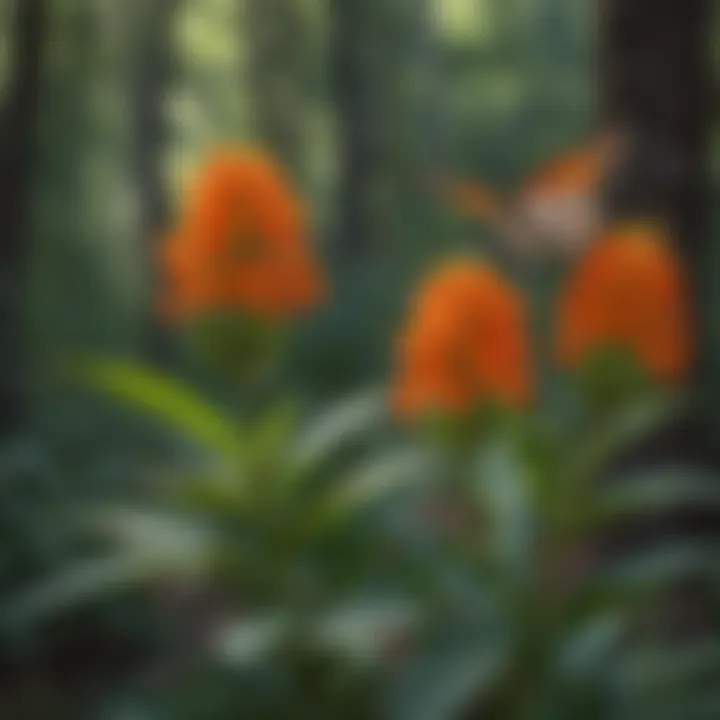
In summary, the ecological role of butterfly milkweed extends beyond attracting beautiful butterflies. It is integral to supporting various pollinators, maintaining environmental stability, and promoting biodiversity within its ecosystem.
Cultivation Practices
Cultivation practices for butterfly milkweed are crucial for ensuring this species thrives in both natural and managed environments. Understanding these practices helps in promoting healthy growth and supports pollinator populations effectively. Various elements come into play when cultivating this plant, including soil conditions, irrigation strategies, and pest management. Proper attention to these aspects can enhance not only plant health but also biodiversity in the surrounding areas.
Soil Requirements
Butterfly milkweed thrives best in well-draining soil, notably sandy or rocky types, which mimic its natural habitat. The pH level of the soil should ideally range between 6.0 and 7.5. It is important to avoid overly rich or clay-heavy soils as they can retain too much moisture, leading to root rot. Enhancing soil structure can be achieved by incorporating some native organic matter but should be done conservatively. Regular soil testing can aid in determining the necessary amendments to optimize growth. Soil quality is a primary factor influencing the overall vigor of Asclepias tuberosa.
Watering and Fertilization
Watering practices should focus on establishing plants during their initial growth stages. Once established, butterfly milkweed is relatively drought-tolerant. However, during prolonged dry spells, supplemental watering may be necessary to maintain health. Fertilization needs are minimal; an over-fertilized environment may divert energy from flowering to vegetative growth. If needed, a balanced, slow-release fertilizer at planting time can suffice.\nHere are some key points regarding watering and fertilization:
- Watering frequency: Young plants need regular watering while getting established. Consider water needs based on local climate conditions.
- Fertilization tips: Use a low-nitrogen fertilizer; this ensures the focus remains on flowering instead of excessive leaf production.
Pest Management
Proper pest management is essential to protect butterfly milkweed from potential threats. This plant may face issues from aphids and caterpillars, which can damage leaves and inhibit growth. A balance must be struck between maintaining beneficial insects and managing harmful ones. Pesticides should be used with caution, focusing on organic options to minimize detrimental impacts on pollinators. Monitoring plants regularly allows for early detection of any pest outbreaks, leading to more effective control. Common strategies include:
- Biological control: Introducing natural predators can effectively manage pest populations.
- Cultural practices: Maintaining plant diversity in surrounding areas can deter pests.
Regular monitoring and proactive management increase the chances of successful butterfly milkweed cultivation, enhancing its role in supporting ecosystems.
By employing thoughtful cultivation practices, the potential for butterfly milkweed to flourish in both wild and cultivated systems significantly increases. Understanding its soil, watering, and pest management preferences can lead to better outcomes and contribute positively to overall ecological health.
Medicinal Uses
The medicinal uses of butterfly milkweed (Asclepias tuberosa) hold significant historical and contemporary relevance. Understanding these applications can enlighten both practitioners and enthusiasts about its potential in natural medicine. Butterfly milkweed has been integrated into various traditional healing practices and is currently the subject of cutting-edge research. This section delves into its traditional applications and ongoing scientific inquiry, shedding light on its various health benefits and considerations.
Traditional Applications
Historically, various Indigenous communities recognized the therapeutic properties of butterfly milkweed. Native Americans used it for various ailments, considering it beneficial for digestive issues, respiratory problems, and even skin conditions. Some reports suggest that it was boiled and used as a tea for easing stomach cramps. The plant's roots and leaves were commonly employed in poultices or infusions.
Some of the traditional uses include:
- Digestive Aid: The leaves were sometimes consumed to alleviate digestive disturbances.
- Respiratory Support: It was used to treat coughs and other respiratory ailments.
- Skin Treatments: Poultices made from crushed leaves were applied to wounds and sores.
- General Tonic: Some cultures considered it a general health tonic.
While these applications highlight the plant's traditional importance, they also raise the need for careful consideration about dosage and preparation methods, as incorrect usage can lead to adverse effects.
Current Research
In recent years, butterfly milkweed has attracted scientific attention for its pharmacological potential. Modern research is investigating its active compounds and their interactions within the human body. The plant contains several constituents like cardiac glycosides, which are of interest for their effects on the heart and other systems. Research has also highlighted possible anti-inflammatory properties and antioxidant activity, suggesting broad-spectrum therapeutic potential.
Ongoing studies focus on:
- Phytochemical Analysis: Identifying and understanding the active compounds.
- Therapeutic Applications: Evaluating its efficacy in treating specific health conditions, from respiratory to inflammatory diseases.
- Safety and Toxicity Assessment: Determining safe usage levels to mitigate any potential toxic effects associated with improper dosage.
Furthermore, butterfly milkweed’s role as a key source for extracting compounds may bridge gaps in traditional medicine and modern healthcare practices. Studies contribute to a better understanding of how this native plant interacts with human physiology, providing a foundation for possible applications in herbal medicine settings.
"Research into butterfly milkweed’s medicinal potential underscores a need to respect both its historical significance and modern scientific inquiry."
By combining traditional knowledge with modern scientific rigor, we may better appreciate the potential of butterfly milkweed while ensuring its sustainable use and conservation.
Threats to Butterfly Milkweed


Butterfly milkweed ( Asclepias tuberosa) is not just a beautiful flowering plant; it is also vital to the health of ecosystems, particularly as a support system for pollinators. However, this species faces significant threats that impact its distribution and survival. Understanding these threats is essential for both conservation efforts and the maintenance of biodiversity within native habitats. The following sections explore key issues, including habitat loss and the effects of climate change.
Habitat Loss
Habitat loss is a primary concern for butterfly milkweed. Urban development, agriculture, and land conversion have led to the fragmentation and degradation of habitats that this plant relies on for growth. When land is cleared for buildings or farmland, the natural ecosystems that support butterfly milkweed often disappear, leading to reduced populations.
The plant thrives in several specific environments such as:
- Grasslands
- Open woodlands
- Roadside areas
These habitats are crucial for sustaining the populations of butterfly milkweed and the insects that depend on it. Without these environments intact, potential pollinators, like the monarch butterfly, could also decline due to lack of resources.
It is important for land managers and conservationists to recognize areas that have high populations of butterfly milkweed. Protecting these areas from development or agricultural expansion can make a substantial difference in the plant’s survival rate. In addition, restoring previously impacted areas can help encourage the re-establishment of butterfly milkweed populations.
Climate Change Impact
Climate change poses an undeniable threat to butterfly milkweed and its associated ecosystems. Rising temperatures, altered rainfall patterns, and extreme weather events can disrupt the delicate balance required for butterfly milkweed to thrive. The phenomenon of climate change can cause shifts in plant hardiness zones and modify the growing conditions across regions where butterfly milkweed is traditionally found.
Specific impacts include:
- Changes in flowering times: Altered climate conditions can lead to earlier blooming, which may not align with the life cycles of pollinator species.
- Increased competition: As climate zones shift, invasive plant species may proliferate, further challenging the growth of butterfly milkweed.
- Habitat suitability reduction: Areas that were once favorable for this plant may no longer provide the necessary conditions for its survival.
Addressing the effects of climate change requires comprehensive approaches that incorporate adaptive strategies in conservation planning. Monitoring butterfly milkweed populations and their habitats can provide crucial data for understanding these dynamics.
"The survival of butterfly milkweed is indicative of the health of broader ecosystems, highlighting the interconnectedness of species and the importance of conservation efforts."
Conservation Efforts
Conservation efforts are crucial for enhancing the survival of butterfly milkweed (Asclepias tuberosa). This species faces numerous threats that jeopardize its existence in American ecosystems. Through concerted conservation initiatives, it is possible to mitigate these risks and ensure its sustainable growth. Conservation strategies encompass various approaches, including community initiatives and governmental policies. Each element plays a significant role in safeguarding butterfly milkweed and, by extension, the ecosystems it supports.
Community Initiatives
Community initiatives serve as a grassroots approach to conservation. Local communities play a pivotal role in the preservation of butterfly milkweed. By engaging with nature, residents can promote the growth of this essential plant. Here are some fundamental aspects of community initiatives:
- Education and Awareness: Workshops and informational sessions can enhance knowledge of butterfly milkweed’s significance. By raising awareness, communities can foster a sense of responsibility toward their local environment.
- Planting Programs: Local gardening groups often organize events to plant butterfly milkweed in parks and public spaces. These planting programs not only increase the plant’s population but also provide habitats for pollinators.
- Monitoring and Reporting: Community members can participate in monitoring butterfly populations. By tracking the presence of monarch butterflies, for instance, they can help scientists understand habitat requirements and the health of local ecosystems.
Such initiatives can lead to significant ecological benefits. These benefits include creating pollinator pathways and contributing to biodiversity, which is essential for overall ecosystem resilience.
Governmental Policies
Governmental policies are another critical pillar of conservation efforts. Policies at various levels can shape strategies for protecting butterfly milkweed from ongoing threats. The following points highlight the role of government in conservation:
- Legislation: Enacting laws that protect butterfly milkweed and its habitat is crucial. For example, conservation of designated areas can prevent habitat destruction caused by urban development or agriculture.
- Funding and Support: Federal and state initiatives can provide financial support to programs aimed at conserving butterfly milkweed. Such funding can enhance research, education, and direct conservation actions.
- Partnerships with Nonprofits: Collaborating with nonprofit organizations can strengthen conservation frameworks. These partnerships often bring expertise and resources to enhance conservation efforts for butterfly milkweed.
Through concerted efforts involving both communities and governments, the future of butterfly milkweed can be secured. Conservation represents a vital strategy to ensure that this species, along with its ecological contributions, remains intact in our ecosystems.
Finale
The conclusion serves as a pivotal section in this article, summarizing the vital aspects of butterfly milkweed (Asclepias tuberosa) and reinforcing its significance within ecosystems. It synthesizes the information discussed throughout the article and emphasizes the need for conscious efforts in conservation.
The discussion on butterfly milkweed covers its role in supporting various pollinators, notably monarch butterflies, and its broader ecological contributions. It highlights the intricate relationship between the species and its habitat, underlining critical issues such as habitat loss and climate change. This reinforcement helps illuminate why butterfly milkweed deserves focused conservation efforts.
Understanding butterfly milkweed is not only beneficial for forestry professionals and academics but also imperative for policymakers and community members. By grasping the plant's ecological importance and the threats it faces, stakeholders can prioritize actions aimed at preserving this native species in the American landscape. Efforts to protect butterfly milkweed can lead to healthier ecosystems that ultimately benefit diverse wildlife and enhance biodiversity.
Summary of Key Points
- Ecological Importance: Butterfly milkweed supports essential pollinators, contributing to ecosystem stability.
- Habitat Preferences: The plant thrives in specific environmental conditions, predominantly in grasslands and open woodlands.
- Conservation Threats: Issues such as habitat loss and climate change pose significant risks to butterfly milkweed populations.
- Active Conservation Efforts: Community initiatives and governmental policies play an important role in sustaining butterfly milkweed and its habitats.
Future Directions
Moving forward, the conservation of butterfly milkweed requires a multi-faceted approach. Important future directions include:
- Research and Understanding: Conducting further studies on butterfly milkweed can deepen knowledge regarding its ecological roles and interactions.
- Community Engagement: Enhancing awareness and involvement in local conservation projects can motivate community members to protect butterfly milkweed.
- Policy Advocacy: Supporting legislative measures that protect habitats can help mitigate the impacts of urbanization and other threats.
- Habitat Restoration: Initiating restoration projects in degraded areas can promote the regrowth of butterfly milkweed and associated flora and fauna.
These future directions highlight the necessity of collaborative efforts among various sectors, ensuring that butterfly milkweed continues to flourish in its native habitats. Through sustained attention and resource allocation, this species can remain a symbol of ecological health.