Discover Crater Lake and Bend: A Complete Guide
Intro
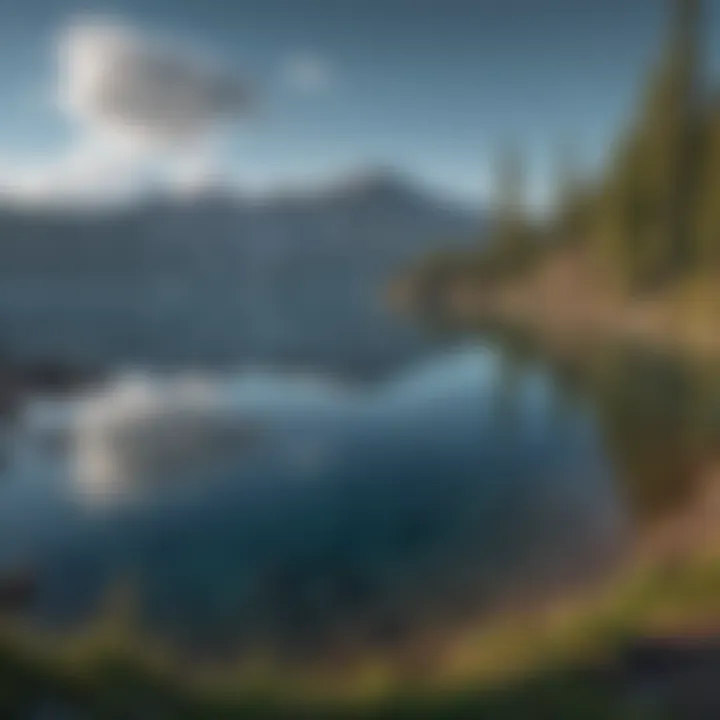
Crater Lake and Bend, Oregon, represent two distinct yet complementary aspects of the natural and cultural tapestry of Central Oregon. Crater Lake is known for its deep blue waters, formed in a caldera created by a volcanic eruption, making it one of the most visually stunning lakes in the United States. The surrounding area is rich in biodiversity, offering numerous recreational opportunities in both flora and fauna. On the other hand, Bend serves as a vibrant hub for adventure, culture, and community, firmly establishing itself as the gateway for outdoor exploration in this region.
In this guide, we will explore not only the geological and ecological features of Crater Lake but also the cultural and recreational opportunities available in Bend. By examining these two areas, we gain insights into their significance in the context of tourism and conservation efforts, highlighting how they contribute to both local economies and broader environmental initiatives.
Prelude to Crater Lake and Bend, Oregon
The majestic Crater Lake and the vibrant town of Bend, Oregon, represent a unique convergence of natural beauty and human creativity. This section sets the stage for a comprehensive exploration of these two remarkable locations. Understanding their geographical context and historical significance is crucial, as it lays the foundation for appreciating their ecological and recreational offerings.
Geographical Context
Crater Lake is renowned for its deep blue water and stunning landscape, formed within a collapsed volcano. Nestled in the Cascade Mountain Range, this national park boasts the deepest lake in the United States, reaching over 1,900 feet. The lake’s unique depth and clarity allow for unparalleled scenic views and fascinating geological studies.
Bend serves as the nearest urban center to Crater Lake, approximately 90 miles to the north. The town sits at a high desert plateau and offers a contrasting ecosystem with dry climate characteristics. Notably, the region experiences a varied topography, including mountains, rivers, and forests, making it a hot spot for outdoor recreation. The geographical diversity of both Crater Lake and Bend contributes to their popularity among nature enthusiasts.
Historical Overview
The history of Crater Lake is deeply intertwined with the indigenous peoples of the region, particularly the Klamath tribes, who regarded the lake as a sacred place. The first European to document the lake's existence was John Wesley Hillman in 1853, and it wasn’t until 1902 that Crater Lake became a national park, highlighting its importance.
Bend's history traces back to the late 1800s, beginning as a logging town before evolving into a cultural and outdoor recreation hub. The discovery of a favorable climate and outdoor opportunities attracted settlers, leading to its rapid growth. Today, Bend is known for its vibrant craft beer scene and artistic communities, while maintaining a strong connection to its outdoor roots.
These historical contexts not only enrich the narrative of these regions but also enhance their significance for tourism and conservation efforts. As we continue through this guide, we will delve deeper into Crater Lake's geological features and the ecological significance that defines both Crater Lake and Bend.
Geological Features of Crater Lake
Crater Lake is not just another scenic destination; it serves as a laboratory for understanding geological processes on Earth. Its geological features include a complex formation history and unique structures that provide insights into volcanic activity. The significance of these geological elements cannot be overstated as they inform both academic research and the public's appreciation of natural wonders.
Formation and Eruption History
Crater Lake's formation is closely tied to volcanic activity that started millions of years ago. The most prominent event was the eruption of Mount Mazama around 7,700 years ago. This catastrophic eruption led to the collapse of the mountain, forming a caldera. Over time, the caldera collected rainwater and snowmelt, which created the lake we see today. This geological history is vital for educators and researchers as it highlights the life cycle of volcanic formations and their implications on the landscape.
The eruptions were not one-off events; rather, they occurred in a series, contributing to the lake's depth and clarity. Crater Lake is now one of the deepest lakes in the United States, reaching a depth of 1,943 feet. This depth is significant because it helps in studying sedimentation processes and aquatic ecosystems.
Understanding the eruption history aids scientists in predicting future volcanic activity and assessing risks in the region. This information is essential for local residents and visitors alike, particularly in terms of safety and planning.
Unique Geological Formations
Crater Lake is home to intriguing geological formations that stand out in the landscape. One notable aspect is the caldera rim which features cliffs rising about 1,000 feet above the lake. These formations are composed of volcanic rock, which offers clues to the past eruptions and the type of materials that were expelled during those periods.
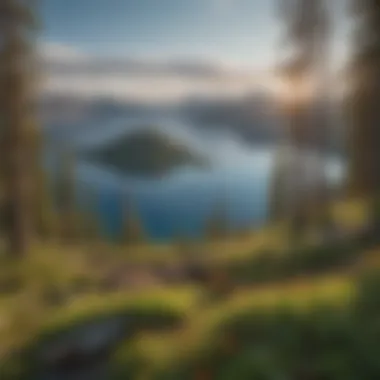
Another fascinating feature is Wizard Island, a cinder cone that emerged after the caldera’s formation. It reaches an elevation of 5,358 feet and provides a unique habitat for flora and fauna. Its formation helps visitors understand how new landforms arise from volcanic activity. Additionally, interesting formations like the phreatic explosion craters can be observed on the island, showcasing different volcanic processes.
The lake itself, with its strikingly blue water, results from the purity and depth of the water, reflecting light uniquely due to the limited presence of particulate material. This brings attention to the importance of water clarity as an indicator of ecological health.
As such, the geological features of Crater Lake offer a rich area for study, serving as a source of academic interest, recreational opportunities, and a deeper understanding of Earth's geological history.
"Crater Lake stands as a testimony to nature’s power and resilience, reshaping its surroundings through volcanic force."
Understanding these features is essential for individuals interested in geology, ecology, and environmental science. The continuation of research and conservation efforts in this area plays a critical part in preserving this natural wonder for future generations.
Ecological Significance of Crater Lake
Crater Lake is not just a geological marvel; it holds immense ecological significance. The lake and its surrounding areas support a complex ecosystem that showcases unique flora and fauna. This ecosystem plays a crucial role in maintaining biodiversity, serving both local and broader environmental contexts.
Flora and Fauna
The rich biodiversity of Crater Lake is largely due to the varied habitats found in the region. Many plant species thrive in the nutrient-poor soils formed from volcanic ash. Species such as the western white pine and mountain hemlock dominate the forests. These trees provide crucial habitat for various bird species, including the black-backed woodpecker and the Clark's nutcracker.
In addition to the trees, the underbrush supports several wildflower species, contributing to the visual appeal and ecological functions of the lake. Some notable wildflowers include the cascading waterflower and the delicate avalanche lily. These plants are vital for pollinators and insects, forming an integral part of the food web.
The lake itself is home to unique aquatic life, including the native Lahontan cutthroat trout, which thrives in its cold, clear waters. This fish is significant not only ecologically but also culturally, as it forms an important part of local fishing traditions. Protecting these species is essential to uphold the ecological integrity of Crater Lake.
Conservation Efforts
Protecting the ecological integrity of Crater Lake requires concerted conservation efforts. Various organizations and state agencies work collaboratively to address the environmental challenges the area faces. These efforts include monitoring water quality, controlling invasive species, and restoring habitats.
Key conservation strategies include:
- Invasive Species Management: Invasive species threaten the delicate balance of the ecosystem. Efforts focus on controlling non-native plants and animals that can disrupt local biodiversity.
- Water Quality Monitoring: Maintaining the purity of Crater Lake’s waters is crucial. Regular assessments ensure that pollutants do not compromise the health of aquatic life.
- Habitat Restoration: Restoration projects aim to rehabilitate altered habitats. These efforts often involve replanting native vegetation which supports local wildlife and enhances biodiversity.
"Conservation is not a one-time act; it is an ongoing commitment to ensuring the sustainability of our natural ecosystems."
Education and awareness initiatives also play a vital role. By promoting understanding of the lake’s ecological significance, these efforts foster a community that values preservation. The combination of science, community involvement, and dedicated policies sets a strong foundation for future conservation successes at Crater Lake.
Recreational Activities at Crater Lake
Recreational activities at Crater Lake are not just leisure options; they highlight the area's natural beauty and promote conservation awareness. Visitors engage in activities that foster a connection with nature while exploring the park's remarkable geological features. The myriad of ways to experience the lake and its surrounding wilderness will appeal to nature enthusiasts and academics alike. From hiking to water sports, the recreational offerings significantly enrich visitors’ understanding of the ecological and geological significance of this national park.
Hiking Trails
Hiking is one of the most popular activities at Crater Lake. The trails vary in difficulty, offering something for everyone. For a gentle introduction, the Rim Trail provides stunning views of the lake's deep blue water and the surrounding cliffs. It spans approximately 33 miles, allowing hikers to take in the landscape at their own pace.
Another notable trail is the Clea Lake Trail, which leads to a smaller lake nestled in the forest, showcasing varied flora along the route. This trail gives insight into the region’s ecology, highlighting how different plant species thrive in diverse environments. Here are some key considerations when planning a hiking trip:
- Seasonal Accessibility: Many trails are only open during the summer months due to snow in winter.
- Safety Precautions: Carry plenty of water and snacks. Weather can change quickly in the mountains.
- Leave No Trace: Respecting the park’s integrity is essential for preservation.
Water Activities
Crater Lake offers numerous water activities that allow visitors to enjoy its pristine waters. Boating is a key feature during the summer, with rental options available. The serene experience of paddling across the lake is unmatched. However, any boat activity held on the lake is subject to regulations to ensure safety and preserve the area.
Swimming is allowed in designated areas, though the lake remains extremely cold even in the summer. For adventurous visitors, scuba diving is allowed, granting access to underwater geological features and unique aquatic life. Here are important factors to consider:
- Permits Required: A valid permit is required for boating and diving.
- Safety Guidelines: Familiarize yourself with local safety protocols, especially regarding temperature and currents.
- Environmental Impact: Understanding the ecological balance is crucial when engaging in water activities.
Camping and Lodging Options
Camping at Crater Lake offers an immersive experience in nature. Carrie’s Campground is a top choice, located within the park and offering stunning views of the lake. Reservations are recommended, especially during peak season. Amenities include restrooms and picnic areas, providing comfort while enjoying the wilderness.
For those preferring more structure, there are various lodge options in the area. The historic Crater Lake Lodge provides comfortable accommodations with breathtaking views. Choosing lodging or camping helps support park conservation; entrance fees contribute to maintaining the area's natural beauty.
In planning overnight stays, consider:
- Check Availability: Campsites fill quickly; reservations can be made through the National Park Service website.
- Pack Essentials: Bring necessary camping gear and visualize food storage to deter wildlife.
- Quiet Hours: Respect nighttime regulations to maintain peace for wildlife and other visitors.
"The recreational activities at Crater Lake promote both enjoyment and ecological awareness, connecting visitors to nature in profound ways."
In summary, recreational activities at Crater Lake not only offer exhilarating experiences but also encourage a deeper understanding of the environment. As visitors engage with the stunning landscape, they gain insights into the importance of conservation and sustainability.
Bend, Oregon: An Overview
Bend is a city that serves as a vital hub for outdoor activities and cultural experiences in Central Oregon. Its proximity to Crater Lake National Park makes it an ideal starting point for visitors wishing to explore the natural beauty of the area. The city is not only pleasing for tourists but also offers a high quality of life for residents. With a population that enjoys a blend of recreational and artistic pursuits, Bend consistently attracts people from all walks of life.
Demographics and Economy
Bend's population has significantly grown over the past decade. As per the latest estimates, the population hovers around 100,000 residents. This growth is largely fueled by both the tourism industry and the tech sector. The median age is approximately 37 years, making it an appealing place for younger families and professionals. Bend has emerged as a key player in the Central Oregon economy, thanks largely to its diverse economic landscape.
Bend's job market is increasingly influenced by sectors such as technology, healthcare, and tourism. With companies like G5 and Faithlife, the tech scene has matured, leading to more skilled professionals relocating to the city. The tourism industry also plays a crucial role; many quaint shops, breweries, and restaurants contribute to its economy, making it a lively and engaging place.
Cultural and Artistic Scene

Bend is known for its vibrant and diverse cultural landscape. The presence of various artists and entertainers has enriched the local creative scene. The city hosts numerous events throughout the year, like the Bend Film Festival and the Bend Roots Music Festival, which highlight the talents of local and regional artists.
Art galleries like High Desert Museum and Gallery Caldera showcase a blend of traditional and contemporary art. Many public installations provide an artistic touch to the cityscape, encouraging community engagement.
The culinary scene also thrives with several craft breweries such as Deschutes Brewery and numerous local farm-to-table restaurants. These establishments underscore the community's commitment to sustainability and local ingredients.
In summary, Bend is not just a place to visit for its natural beauty; it offers a combination of demographic diversity and cultural richness that makes it a unique destination.
"Bend is a city where the beauty of nature and the richness of culture coexist, creating an unmatched living experience."
Outdoor Activities in Bend
Outdoor activities in Bend, Oregon play a crucial role in defining the character and appeal of the region. Known for its diverse landscape and robust recreational opportunities, Bend has become a hotspot for outdoor enthusiasts. The surroundings, including the Deschutes River and the high desert, offer multiple avenues for exploration. The activities available cater to various interests and skill levels, making it an inclusive destination for both locals and visitors. Engaging in outdoor sports not only promotes a healthy lifestyle but also fosters a deeper connection with nature and the unique ecological system of Central Oregon.
Skiing and Snowboarding
Bend is often regarded as a premier destination for skiing and snowboarding, attributed to its proximity to Mount Bachelor. This ski resort is a favorite for many due to its broad range of trails suitable for all skill levels. With over 4,300 acres of skiable terrain, visitors can enjoy groomed runs, off-piste skiing, and terrain parks. Ski season typically runs from November to May, allowing ample time for both day trips and extended stays.
The quality of the snow is another highlight. The region receives an average of 462 inches of snowfall per year, making for excellent skiing conditions.
Key considerations when skiing at Mount Bachelor include:
- Safety: Always wear proper gear and be mindful of weather conditions.
- Pass options: Various pricing tiers exist for lift tickets, including weekend and weekday passes.
- Lessons: For beginners, ski schools offer group and private lessons to boost confidence on the slopes.
Mountain Biking Trails
Bend has a reputation as a mountain biking paradise. The extensive trail systems surrounding the area provide options for all levels, from smooth and scenic paths to challenging terrain. The Phil's Trail network is particularly notable for its myriad of routes, winding through lush forests and offering stunning views of the Cascade Mountains.
Mountain biking here is not just a sport; it's a community. Numerous events are held throughout the year, drawing participants and spectators alike. Visitors can easily rent bikes from local shops and join guided tours to discover the best trails.
Popular considerations for mountain bikers include:
- Trail maps: Always carry a detailed map or use a reliable app for navigation.
- Local events: Check the calendar for mountain biking events that may coincide with your visit.
- Bike rentals: There are several shops, like Pine Mountain Sports, that offer quality rentals and repairs.
Fishing and River Sports
Bend’s location along the Deschutes River provides an excellent opportunity for fishing and various water sports. The river is rich in trout, steelhead, and salmon, attracting both novice and experienced anglers. Fly fishing is particularly popular, with spots such as the Bend Park and Float providing accessible locations.
Beyond fishing, the river hosts a variety of recreational activities. Kayaking, rafting, and paddle boarding are commonplace, especially during the warmer months. These activities allow for a unique interaction with the beautiful landscape.
Important points for fishing and river sports include:
- Permits: Ensure you have the necessary fishing permits, which can be acquired online or at local retailers.
- Safety gear: Always wear a life jacket and be aware of the river conditions to ensure a safe experience.
- Guided options: Consider hiring a guide for fishing trips to enhance your chances for a successful outing.
"Bend offers a rare combination of adventure and beauty that captivates visitors and keeps them coming back."
In summary, the outdoor activities in Bend provide an immersive experience within Central Oregon's natural environment. From winter sports at Mount Bachelor to the thrilling mountain biking trails and the tranquil waters of the Deschutes River, there is no shortage of options to explore. This dynamic range of activities not only enhances the local economy but also solidifies Bend's status as a premier outdoor destination.
Planning Your Visit
Planning a visit to Crater Lake and Bend, Oregon, holds significant importance for any traveler looking to explore these unique landscapes. Understanding various considerations enhances the experience and ensures a smoother trip. Timing, accessibility, and lodging options greatly influence how visitors interact with the region's natural wonders.
Best Time to Visit
The ideal time to visit Crater Lake mainly hinges on personal preferences and desired activities. The summer months, particularly from June to September, showcase the lake's vivid blue waters and allow for optimal hiking conditions. However, autumn brings stunning fall foliage, providing a different aesthetic experience.
Winter, while cold, offers a serene landscape and winter sports opportunities, attracting skiing and snowboarding enthusiasts. Spring may present challenges with varying snow conditions.
Transportation Options
Navigating to Crater Lake and Bend can be straightforward with suitable planning. The nearest major airport is Roberts Field in Bend, offering flights from larger hubs. Visitors can rent cars for greater flexibility in reaching Crater Lake National Park, which is approximately 90 minutes from Bend.
Another option includes buses, but routes might be limited and require advance booking. For those within Oregon, driving is highly recommended. The roads offer picturesque views and various stopping points along the way.
Accommodation Recommendations
When it comes to lodging, options vary widely depending on proximity and budget. Within Crater Lake National Park, Crater Lake Lodge offers a historic experience with stunning views, but reservations should be made well in advance. In Bend, diverse efforts like hotels, motels, and vacation rentals cater to a range of preferences. Some popular choices include The Oxford Hotel and Tetherow Resort, both offering comfort and access to Bend's main attractions. Additionally, campgrounds are available for those preferring a more immersive experience with nature.
"Planning properly can transform an ordinary trip into a memorable exploration of this striking region."
In summary, proper planning around the best time to visit, transportation, and accommodations creates an effective groundwork for an enjoyable journey through Crater Lake and Bend, Oregon.
Challenges and Environmental Concerns
In exploring Crater Lake and Bend, understanding challenges and environmental concerns is crucial for any visitor or stakeholder. These fascinating areas are not only known for their beauty but also for the ecological sensitivity that defines them. The health of the ecosystems in this region directly affects biodiversity, recreational opportunities, and the sustainability of local communities. Thus, addressing challenges like wildfire risks and invasive species threats is paramount to ensure the preservation of these environments.
Wildfire Risks and Management
Wildfires present a significant threat to the ecosystems surrounding Crater Lake and Bend. The region's dry summers and lightning-prone storms create a perfect storm for wildfires. In recent years, wildfire incidents have increased, raising concerns about air quality, loss of wildlife habitat, and impacts on recreational areas.
Management strategies are essential in mitigating these risks. Agencies such as the U.S. Forest Service implement preventative measures, such as controlled burns and vegetation management, to reduce fuel loads in fire-prone areas. Education about safe practices when visiting these areas can also empower visitors to help reduce fire risks.
Proactive management of wildfire risks is not only about protecting the forest but also about safeguarding the community and preserving the tourist economy that relies on the natural beauty of the area.
Invasive Species Threats
Invasive species pose another serious challenge to the delicate ecosystems in and around Crater Lake and Bend. These non-native organisms can outcompete native flora and fauna, leading to losses in biodiversity. For instance, species like the Eurasian watermilfoil have established themselves in several waters, altering habitats and disrupting local ecosystems.
Efforts to control invasive species often involve monitoring and removal. Community initiatives and volunteer programs educate both locals and visitors on identifying invasive species and the importance of reporting sightings. Clean boating and hiking practices are also promoted to prevent the spread of these species, ensuring the native species can thrive.
In summary, embracing the challenges of wildfire risks and invasive species management is integral to retaining the ecological balance in Crater Lake and Bend. Taking thoughtful steps ensures that future generations can enjoy the unique beauty and biodiversity of these regions. Addressing these environmental concerns thoughtfully will contribute to ecological integrity and a sustainable tourism economy.
Cultural Significance of Crater Lake
The cultural significance of Crater Lake extends beyond its breathtaking beauty and geological features. It is a site of great meaning to many Indigenous peoples and has influenced local mythology and spirituality. Understanding this cultural backdrop is essential for appreciating not only the historical context of the lake but also its continued relevance in contemporary society.
Indigenous Histories and Connections
Crater Lake holds special significance for several Indigenous tribes in the region, particularly the Klamath, Modoc, and Yahooskin peoples. For these communities, the lake is intertwined with their histories, legends, and spiritual practices. The Klamath Tribe, in particular, regards the lake as a sacred site, woven into their creation stories and traditional narratives.
Indigenous peoples believed that the lake was created by the powerful spirits and that it embodies both beauty and mystery. This connection to the lake manifests in various forms of cultural expression. Art, storytelling, and ceremonies reflect the deep reverence for Crater Lake. The tribes participated in management and conservation practices for millennia, ensuring the natural resources were respected and preserved.
Influence on Local Mythology
The narratives surrounding Crater Lake have shaped local mythology in profound ways. One prevailing legend involves a great battle between spirits and a giant serpent, resulting in the formation of the lake. This mythology serves not only as a historical account but also as a moral framework for community values, emphasizing harmony with nature and respect for the environment.
Such stories enrich the cultural landscape of the area, influencing local art, literature, and tourism. Visitors to the region often engage with these myths through guided tours and interpretive centers, gaining insight into the cultural heritage that the lake represents.
"To understand the beauty of Crater Lake, one must first appreciate the stories of those who came before us. Their connection to this place is etched deeply in its waters."
Overall, Crater Lake is not merely a geological marvel; it serves as a repository of Indigenous histories and local mythology. This cultural significance enhances the lake's standing as an ecological wonder, urging contemporary society to embrace sustainable practices while respecting the narratives of those who have long revered this historic site.
Closure
The conclusion of this article serves a vital purpose in tying together the numerous facets discussed regarding Crater Lake and Bend, Oregon. It reinforces the idea that these areas are not just tourist attractions; they are essential components of a broader environmental conversation. Crater Lake’s geological uniqueness and ecological diversity, combined with Bend’s cultural landscape, create a distinctive synergy that merits attention.
The Future of Crater Lake and Bend
Looking forward, the future of Crater Lake and Bend hinges on several critical factors. Climate change poses a significant threat, complicating both ecological health and tourism sustainability. The delicate balance of the flora and fauna needs ongoing monitoring. Preservation efforts are increasingly important, as they protect the natural beauty and resources this region offers. Community involvement in conservation strategies can foster local pride. Moreover, continuous research on the ecological impact of human activity can result in more effective management approaches.
Encouraging Sustainable Practices
In this context, encouraging sustainable practices becomes essential. Local businesses, tourists, and residents all play vital roles in fostering environmental stewardship. Some approaches include supporting eco-tourism, reducing waste, and conserving water. Promoting the use of public transportation and biking can alleviate traffic and pollution.
Educating the public about the ecological significance of Crater Lake and surrounding areas can lead to more environmentally conscious decisions. Engaging social media platforms can amplify these messages. The involvement of local schools in environmental education programs can cultivate a sense of responsibility among future generations. Each small action contributes to a larger goal: preserving the natural wonders of Crater Lake and Bend for years to come.
In summary, it is the collective responsibility of all stakeholders to ensure that the pristine environments of Crater Lake and Bend remain vibrant and accessible for future generations.
By understanding the importance of these practices, we can truly appreciate the value of this remarkable region.